

Introduction
Substance use disorder (SUD) is a pervasive condition that can stealthily infiltrate daily life. Its early manifestations often masquerade as ordinary stress or temporary lapses in judgment. Identifying warning signs at the onset can drastically improve outcomes, allowing for timely intervention and long-term recovery. Awareness of subtle changes in behavior, mood, and social interactions is crucial for family members, friends, and even individuals themselves. Early recognition not only mitigates the progression of dependency but also facilitates access to professional resources that can restore stability and wellness.
Finding Accessible Treatment Options
Accessing quality care can feel daunting when financial constraints are present. Many individuals hesitate to seek help due to concerns about cost, but there are pathways to recovery that do not require extensive out-of-pocket expenses. Programs designed for affordability often offer sliding-scale fees, community-funded initiatives, or nonprofit support networks. For those exploring drug rehab without insurance, these options provide essential services including detox, therapy, and counseling, ensuring that financial limitations do not prevent someone from receiving treatment. Early engagement with these resources can significantly improve recovery outcomes and help individuals regain stability in a supportive environment.
Behavioral Changes to Watch For
Behavioral shifts are among the first indicators of SUD. A person may suddenly alter daily routines, skipping work or school without reasonable explanations. Risk-taking tendencies may escalate, including reckless driving or financial imprudence, often accompanied by secretive behaviors intended to conceal substance use. Responsibilities may be neglected; household chores, job tasks, or academic obligations are postponed or abandoned. Observing a pattern of inconsistent or erratic behavior, rather than isolated missteps, often signals the need for closer attention and possible intervention.
Physical and Psychological Indicators
Substance use often leaves discernible marks on the body and mind. Neglected personal hygiene, slouched posture, or unkempt clothing may become more apparent. Weight fluctuations, chronic fatigue, and frequent illnesses can also manifest. Psychological alterations, including heightened irritability, sudden anxiety, or bouts of depression, are common. Individuals may become unusually secretive about their whereabouts or display heightened defensiveness when questioned. These physical and mental changes, when combined with behavioral shifts, form a compelling profile indicative of early-stage SUD.
Social and Interpersonal Warning Signs
SUD can profoundly affect relationships. Withdrawal from long-standing social circles, diminished participation in family activities, and recurrent conflicts often emerge. Individuals may seek out peers who engage in substance use, prioritizing these associations over previous, healthier connections. The subtle erosion of trust and consistent tension in interpersonal interactions may indicate a deeper underlying dependency. Recognizing these social indicators early allows for supportive dialogue and potential intervention before relationships are irreparably damaged.
Cognitive and Performance-Related Symptoms
Cognitive decline frequently accompanies substance use. Difficulty concentrating, memory lapses, and impaired decision-making can compromise work or academic performance. Missed deadlines, careless errors, and inconsistent effort may become habitual. Financial mismanagement or neglect of essential obligations, such as paying bills or maintaining personal responsibilities, may also surface. These deficits often signify that substance use is increasingly interfering with critical daily functions, highlighting the urgency of professional evaluation.
When to Consider Professional Intervention
Determining when to seek professional help requires careful observation of patterns rather than isolated incidents. Persistent behavioral, social, and cognitive changes, especially when compounded by physical symptoms, suggest a need for formal assessment. Early intervention can prevent progression to severe dependency, reduce health risks, and improve overall quality of life. Consulting medical professionals, addiction specialists, or licensed therapists ensures a comprehensive evaluation and access to tailored treatment plans. Timeliness is paramount; the earlier SUD is addressed, the more effective the recovery trajectory.
Treatment Options and Support Systems
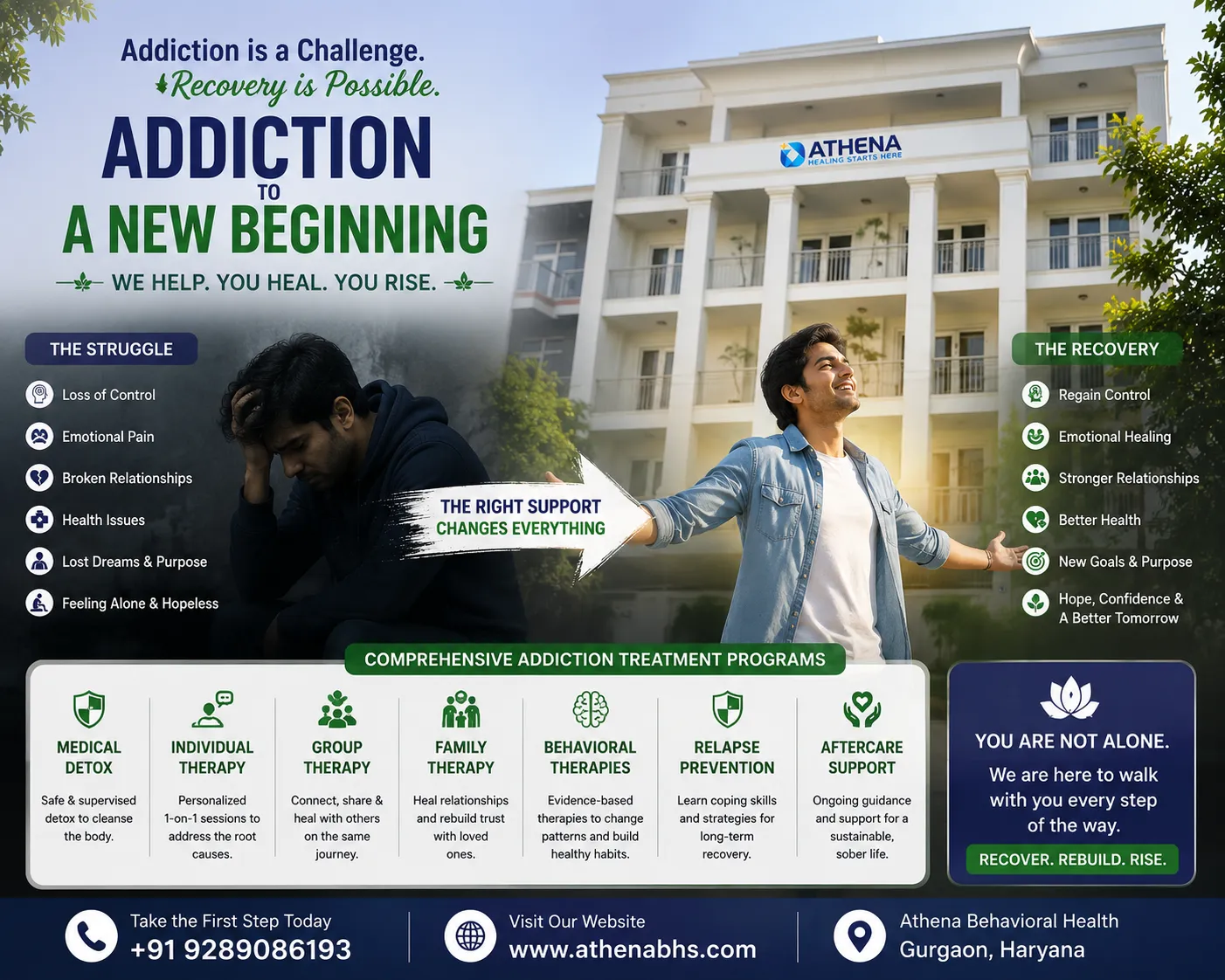
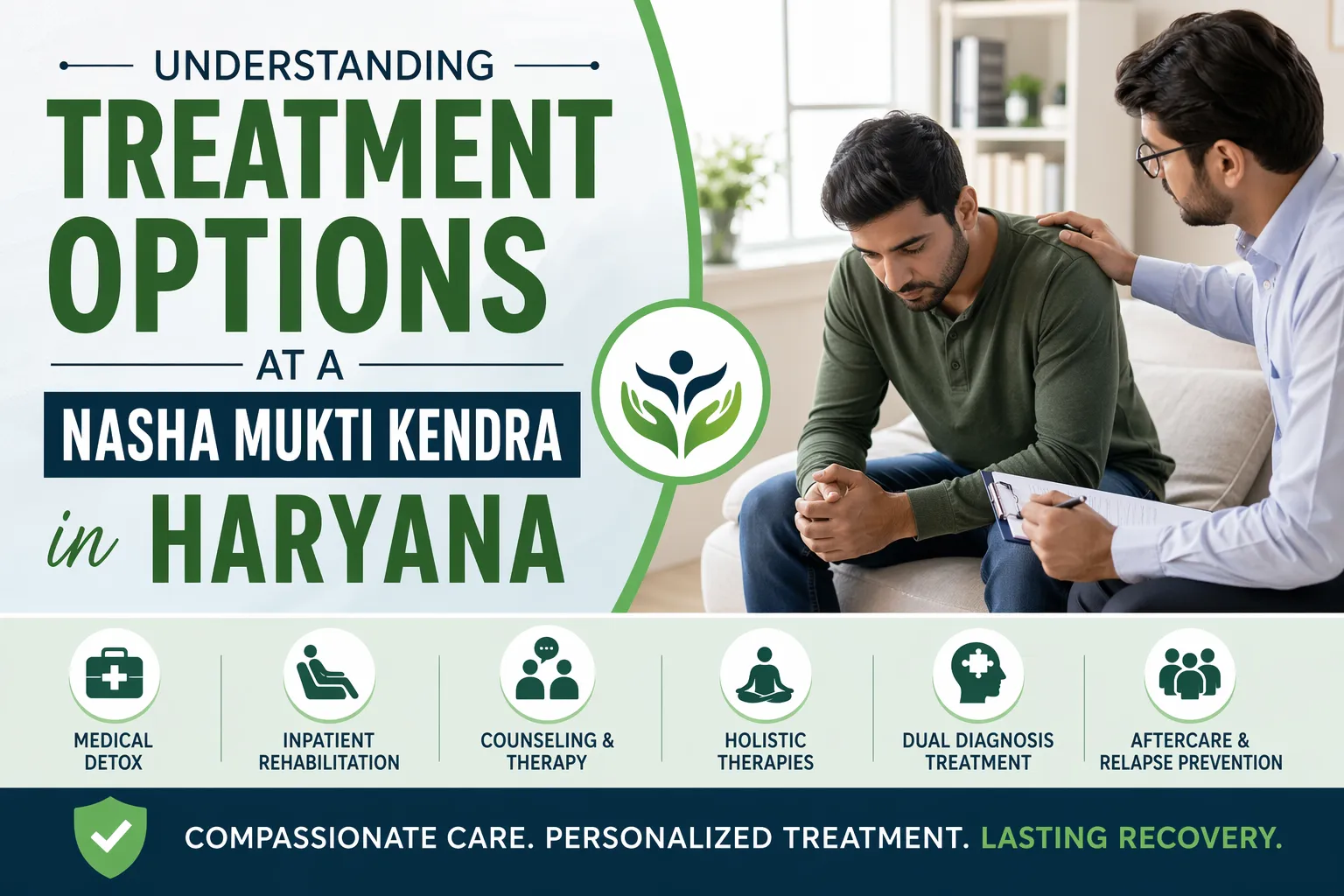
Treatment for SUD is multifaceted, encompassing inpatient or outpatient rehabilitation programs, therapy modalities, and community support systems. Cognitive-behavioral therapy (CBT) addresses underlying thought patterns, while group therapy fosters accountability and shared understanding. Family therapy can repair strained relationships and build supportive home environments. Peer-led support groups and relapse prevention programs enhance resilience and provide ongoing guidance. A structured approach combining professional treatment with community engagement significantly improves the probability of sustainable recovery.
Rapid Recovery Strategies
When feeling the effects of alcohol, the body requires time to process and eliminate it, but certain measures can help accelerate alertness. Hydration is paramount—drinking water or electrolyte-rich fluids aids the liver in metabolizing alcohol more efficiently. Nutrient-dense foods can stabilize blood sugar and replenish lost vitamins, while gentle physical activity stimulates circulation. Resting in a calm environment allows the body to recover from intoxication more effectively. For those seeking immediate guidance, understanding how to sober up quickly involves combining hydration, nutrition, and careful pacing to minimize impairment while supporting overall physiological recovery.
Conclusion
Early recognition of substance use disorder is a critical step in safeguarding health and relationships. Behavioral, physical, social, and cognitive indicators collectively form a recognizable pattern warranting attention. Acting promptly by consulting professionals and exploring structured treatment options can prevent escalation and foster lasting recovery. Awareness, vigilance, and proactive intervention empower individuals and their loved ones to confront SUD effectively, laying the foundation for a healthier, more balanced life.






























Sign in to leave a comment.