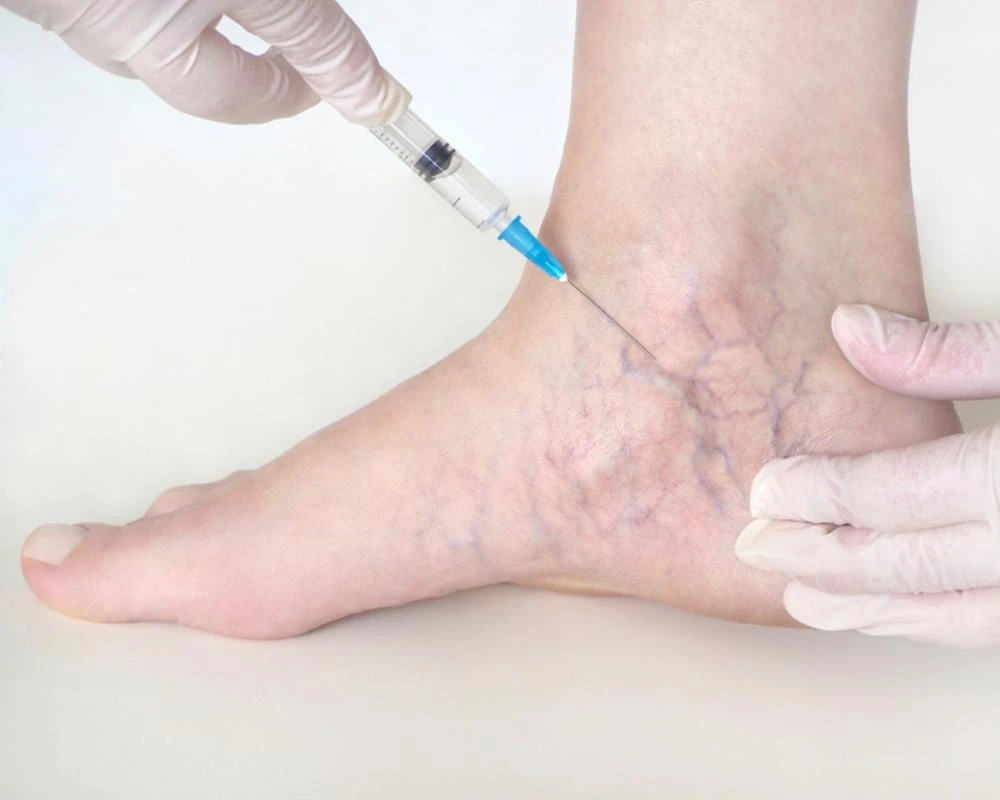

Varicose veins are a common condition that affects many people, characterized by enlarged and twisted veins that often appear blue or dark purple. Identifying the symptoms of early-stage varicose veins is crucial for effective treatment and prevention of more severe complications. This blog explores the early-stage symptoms of varicose veins, providing valuable insights into what to watch for and how to manage these symptoms.
Understanding Varicose Veins
Varicose veins (علاج الدوالي في الرياض)occur when the valves in the veins that help regulate blood flow become weakened or damaged. This causes blood to pool in the veins, leading to their enlargement and the characteristic bulging appearance. Early recognition of symptoms can help in seeking timely treatment and avoiding progression to more severe stages.
Common Early-Stage Symptoms
1. Swelling in the Legs and Ankles
One of the earliest signs of varicose veins is swelling in the legs and ankles. This swelling, known as edema, often becomes more pronounced after standing or sitting for prolonged periods. The swelling is usually more noticeable at the end of the day and may improve with elevation of the legs.
2. Aching or Heaviness in the Legs
Individuals with early-stage varicose veins may experience a feeling of aching or heaviness in their legs. This discomfort is often described as a dull, throbbing pain and can be exacerbated by long periods of standing or physical activity.
3. Visible Veins
Visible veins that appear blue, purple, or dark red and are protruding just beneath the skin\'s surface are a common early symptom of varicose veins. These veins may look twisted or bulging and are often seen on the legs, particularly around the calves and thighs.
4. Itching or Burning Sensation
An itching or burning sensation around the affected veins is another early symptom of varicose veins. This may be due to the skin stretching as the veins become engorged with blood. The sensation can be bothersome and may lead to discomfort.
5. Leg Cramps
Leg cramps, particularly at night, can be an early sign of varicose veins. These cramps often occur in the calf muscles and can disrupt sleep, causing discomfort and pain.
6. Restless Legs
A condition known as restless legs syndrome (RLS) can sometimes accompany varicose veins. Individuals may experience an uncomfortable urge to move their legs, especially when sitting or lying down. This symptom can interfere with daily activities and sleep.
Diagnosing Early-Stage Varicose Veins
Accurate diagnosis of varicose veins involves a physical examination and, in some cases, imaging tests such as ultrasound. A healthcare provider can assess the severity of the condition and recommend appropriate treatment options.
Physical Examination
During a physical examination, a healthcare provider will inspect the legs for visible signs of varicose veins and assess symptoms such as swelling and pain. They may ask about the duration and frequency of symptoms to determine the stage of the condition.
Ultrasound Imaging
Ultrasound imaging is a non-invasive test that can help visualize the veins and evaluate blood flow. This test is often used to confirm the diagnosis of varicose veins and to assess the functionality of the venous valves.
Treatment Options for Early-Stage Varicose Veins
1. Lifestyle Modifications
Making certain lifestyle changes can help manage early-stage varicose veins and prevent their progression. This includes regular exercise, maintaining a healthy weight, and avoiding prolonged periods of standing or sitting.
2. Compression Stockings
Wearing compression stockings can help alleviate symptoms of early-stage varicose veins by providing gentle pressure to the legs. This pressure helps improve blood flow and reduce swelling.
3. Medications
Over-the-counter medications, such as pain relievers and anti-inflammatory drugs, can help manage symptoms like pain and swelling associated with varicose veins. In some cases, prescription medications may be recommended.
4. Sclerotherapy
Sclerotherapy is a minimally invasive procedure in which a solution is injected into the affected veins, causing them to collapse and fade from view. This treatment is effective for small to medium-sized varicose veins and can provide symptom relief.
5. Laser Therapy
Laser therapy uses focused light to target and treat varicose veins. This non-invasive procedure heats the vein, causing it to close and be absorbed by the body. Laser therapy is often used for superficial veins and can improve cosmetic appearance.
Preventing Progression of Varicose Veins
1. Regular Exercise
Engaging in regular physical activity, such as walking or swimming, can help improve circulation and reduce the risk of developing more severe varicose veins. Exercise strengthens the muscles in the legs, which helps support healthy vein function.
2. Healthy Diet
Maintaining a balanced diet rich in fiber and low in sodium can help prevent varicose veins from worsening. Foods that support vascular health, such as fruits, vegetables, and whole grains, contribute to overall well-being.
3. Elevating the Legs
Elevating the legs when resting can help reduce swelling and improve blood flow. This simple practice can be particularly beneficial for individuals experiencing early symptoms of varicose veins.
4. Avoiding Prolonged Standing or Sitting
Taking breaks to move around and change positions can help prevent the development or worsening of varicose veins. If your job involves prolonged sitting or standing, incorporating regular movement can alleviate symptoms.
When to Seek Medical Attention
If you experience persistent symptoms of varicose veins, such as severe pain, significant swelling, or changes in skin color, it is important to seek medical attention. Early intervention can prevent complications and improve overall outcomes.
Conclusion
Recognizing and addressing the early symptoms of varicose veins is essential for effective management and prevention of more severe issues. By understanding the common signs, exploring treatment options, and implementing preventive measures, individuals can take proactive steps to manage their condition and maintain leg health. If you suspect you have early-stage varicose veins, consult with a healthcare provider to explore the best course of action for your specific need.










Sign in to leave a comment.