In recent years, packaging has evolved from being just a protective layer for products to a reflection of a brand’s values. They are growing awareness of climate change, waste management, and resource conservation, as well as eco-friendly and sustainable packaging solutions. They are no longer optional; they are a necessity. Businesses that adapt to these solutions not only help the planet but also win customer trust and loyalty.
Understanding Eco-friendly Packaging
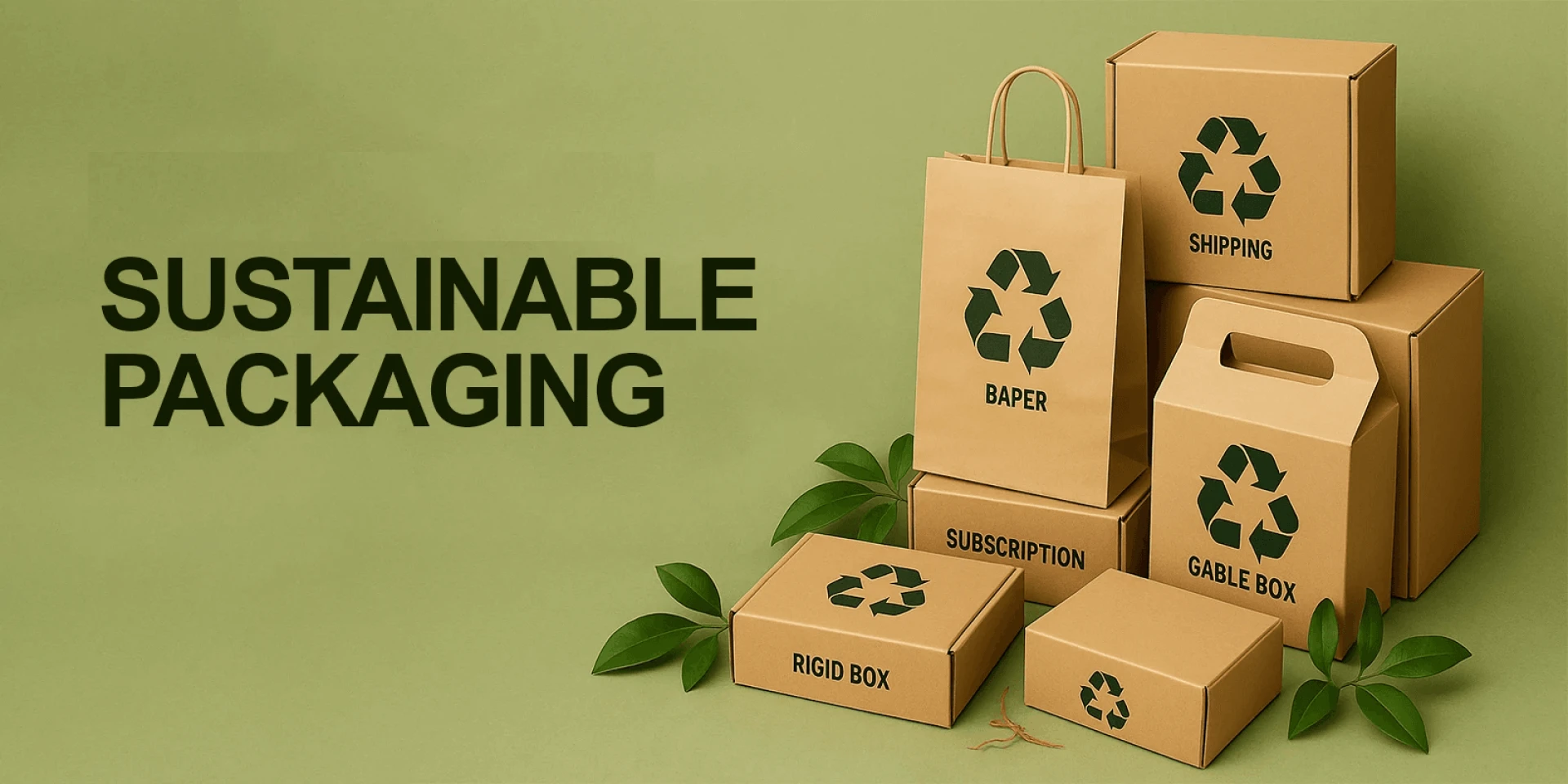
Eco-friendly packaging refers to materials and designs that minimize environmental impact throughout their lifecycle. This means the packaging is made from renewable, recyclable, or biodegradable resources. Its production, usage, and disposal create minimal waste or pollution. Sustainable packaging goes beyond material choice. It involves responsible sourcing, efficient design, and a commitment to reducing carbon footprints.
Why Sustainable Packaging Matters Today
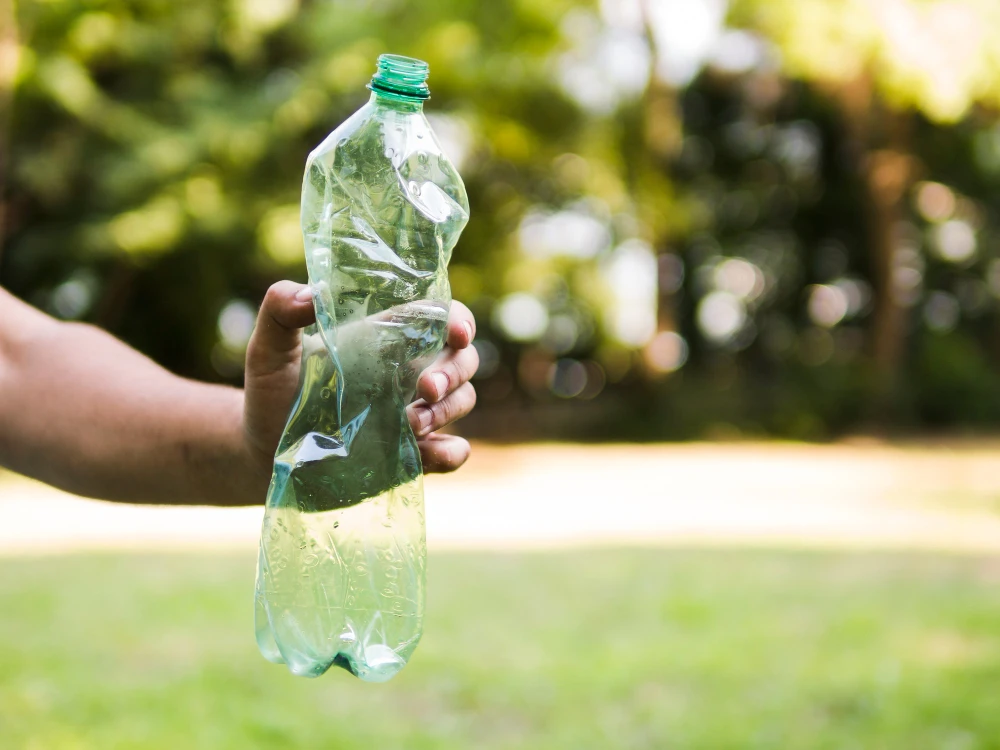
The global packaging industry is massive, and unfortunately, traditional packaging materials like plastics contribute significantly to pollution. Landfills overflow with non-biodegradable waste, and oceans are littered with plastic debris that harms marine life. Sustainable packaging addresses these issues by:
- Reducing landfill waste through recyclable and compostable materials.
- Conserving natural resources by using renewable inputs like paper, cornstarch, or bamboo.
- Lowering carbon emissions during production and transportation.
- Supporting a circular economy where packaging materials are reused or repurposed.
In this changing consumer landscape, brands that ignore these priorities risk being left behind.
Key Features of Eco-friendly Packaging Solutions
Sustainable packaging isn’t just about switching from plastic to paper. It combines multiple factors to ensure it genuinely benefits the environment:
- Renewable Materials: Using sources that regenerate quickly, such as bamboo, sugarcane, or FSC-certified paper.
- Recyclability: Designing packaging that can be easily recycled without complicated separation processes.
- Minimalism in Design: Avoiding unnecessary layers, inks, and adhesives that hinder recyclability.
- Low-impact Manufacturing: Employing production methods that consume less energy and water.
- Safe for Disposal: Ensuring packaging breaks down naturally without leaving harmful residues.
These features help businesses meet sustainability goals without compromising on functionality or aesthetics.
The Business Benefits of Going Green
Adopting eco-friendly packaging is not just good for the planet; it makes strong business sense.
Brand Reputation
Consumers increasingly choose brands that align with their values. Sustainable packaging signals responsibility and care.
Customer Loyalty
People are more likely to repurchase from businesses that show commitment to environmental well-being.
Cost Efficiency in the Long Term
While initial costs may be higher, savings occur through reduced material usage, optimized designs, and potential tax benefits or incentives
Market Advantage
As regulations tighten, being ahead of compliance requirements can be a competitive edge.
How Businesses Can Transition to Sustainable Packaging
Switching to eco-friendly packaging requires thoughtful planning rather than an overnight transformation. Businesses can start by:
- Auditing current packaging materials and identifying areas for improvement.
- Partnering with suppliers who offer sustainable material options.
- Reducing packaging size to cut down material usage and shipping emissions.
- Educating customers on how to dispose of or recycle the packaging properly.
- Testing new materials for durability, safety, and brand fit.
At My Box Printing, for instance, custom boxes and packaging are designed with sustainability in mind; balancing durability, style, and eco-consciousness. This approach ensures that brands can meet their environmental goals without sacrificing branding impact.
Popular Types of Eco-friendly Packaging Materials
While avoiding a long list format, it’s worth noting a few widely adopted sustainable materials:
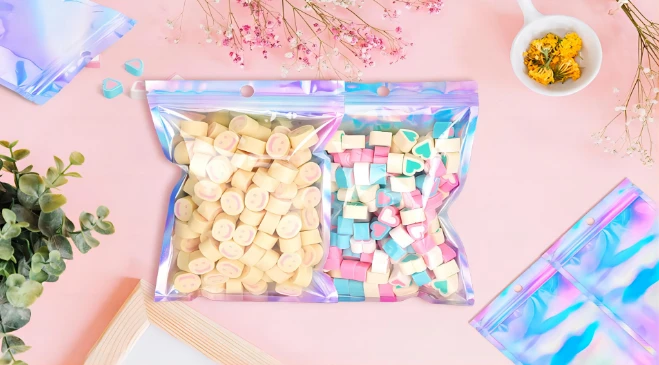
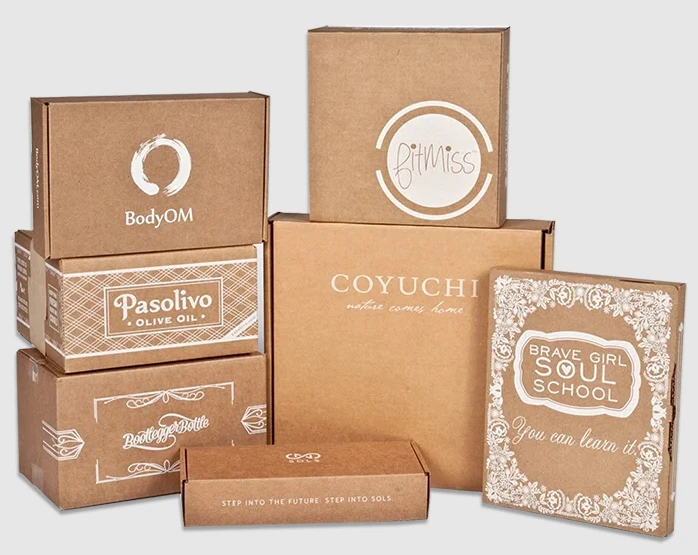
- Kraft Paper: Biodegradable, recyclable, and ideal for boxes, bags, and wraps.
- Compostable Films: Made from plant-based polymers that break down naturally.
- Molded Pulp: A protective, biodegradable alternative to styrofoam.
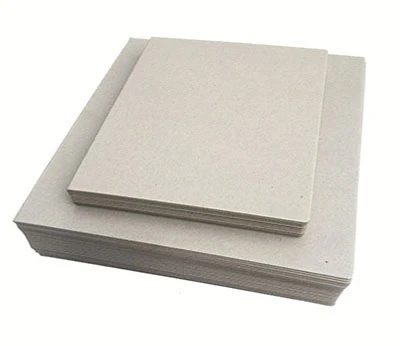
- Recycled Cardboard: Reduces the need for virgin paper and keeps waste out of landfills.
These materials are versatile, cost-effective, and suitable for both small and large-scale businesses.
Consumer Role in Sustainable Packaging Success
No matter how eco-friendly the packaging, it only works if consumers dispose of it correctly. Brands must play a role in guiding customers toward responsible actions. Clear recycling instructions, return programs, or incentives for reusing packaging can make a big difference. Many customers appreciate brands that not only sell products but also lead them toward better environmental habits.
The Future of Packaging is Green
Industry experts predict that sustainable packaging will dominate the market in the coming decade. Innovations like edible packaging, smart reusable containers, and advanced biodegradable films are already in development. Governments around the world are introducing stricter rules to limit single-use plastics and encourage circular economies.
Businesses that embrace these changes early will benefit from customer trust, regulatory compliance, and long-term cost savings. Sustainable packaging is not just a passing trend; it is a cornerstone of modern business ethics.
Final Thoughts
Eco-friendly and sustainable packaging solutions are a win-win for businesses, consumers, and the planet. They reduce environmental impact, meet consumer demand for ethical products, and strengthen brand identity. Whether you’re a small business or a global brand, making the shift to sustainable packaging today positions you for success tomorrow.
For brands seeking custom boxes and eco-conscious packaging designs, companies like MyBoxPrinting offer customized solutions that combine environmental responsibility with strong visual appeal. The journey to sustainability starts with a single decision, and the right packaging is a powerful first step.





Sign in to leave a comment.