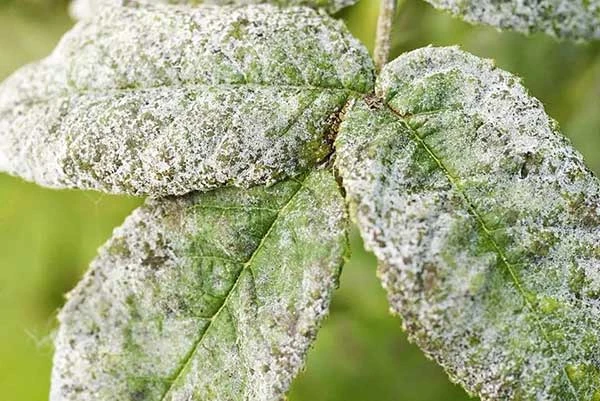

Downy mildew, a destructive fungal disease, poses a significant threat to crops worldwide. Its impact on crops ranges from reduced yield and quality to complete crop loss, affecting the livelihoods of farmers and food security. In this essay, we will delve into the various eco-friendly approaches available to combat downy mildew, acknowledging the importance of sustainable solutions in agricultural practices.
Understanding Downy Mildew
Downy mildew is a fungal disease caused by various species of the Oomycetes family, notably affecting crops like grapes, cucumbers, lettuce, and potatoes. Characterized by fuzzy white or gray patches on the undersides of leaves, it thrives in cool, humid conditions, spreading rapidly through airborne spores. This disease not only diminishes crop yield and quality but also increases production costs due to the necessity for extensive fungicide applications.
Challenges of Conventional Methods
Conventional methods of combating downy mildew often rely on chemical fungicides. While these treatments can provide short-term relief, they come with numerous drawbacks. Continuous use of chemical fungicides leads to the development of resistant strains, exacerbating the problem. Furthermore, chemical residues may persist in the environment, posing risks to ecosystems and human health. Hence, there is a pressing need for alternative, eco-friendly approaches.
Eco-Friendly Approaches
Eco-friendly approaches offer sustainable alternatives to conventional methods, focusing on long-term disease management while minimizing adverse environmental impacts. These approaches encompass various strategies, including biological control, plant-based solutions, cultural practices, and nano-technology applications.
Biological Control
Biological control involves harnessing natural enemies of downy mildew, such as beneficial microbes or predators, to suppress disease development. For instance, certain bacteria and fungi can antagonize downy mildew pathogens, effectively reducing disease incidence. Biological control not only minimizes chemical usage but also promotes ecological balance in agricultural ecosystems.
Plant-Based Solutions
Plant-based solutions leverage the antimicrobial properties of botanical extracts and essential oils to combat downy mildew. Compounds derived from plants like neem, garlic, and thyme have demonstrated efficacy against fungal pathogens. Incorporating these natural substances into agricultural practices offers a sustainable and non-toxic approach to disease management.
Cultural Practices
Cultural practices, including crop rotation, intercropping, and proper irrigation management, play a crucial role in downy mildew prevention. By disrupting the disease cycle and creating unfavorable conditions for pathogen growth, these practices reduce the reliance on chemical interventions. Integrated pest management (IPM) strategies, which integrate cultural practices with other eco-friendly methods, further enhance disease control while promoting overall farm sustainability.
Nano-Technology Applications
Nano-technology offers innovative solutions for downy mildew management by delivering eco-friendly fungicides in targeted and controlled ways. Nano-formulations enhance the efficacy of natural compounds while reducing environmental impact and minimizing off-target effects. By leveraging nanotechnology, researchers aim to develop sustainable and efficient approaches for disease control in agriculture.
Future Directions and Challenges
While eco-friendly approaches show promise in combatting downy mildew, several challenges remain. Scaling up these methods to meet the needs of large-scale agriculture requires further research and investment. Additionally, educating farmers about the benefits of sustainable practices and overcoming potential barriers to adoption are essential steps for successful implementation. Continued innovation and collaboration across disciplines will drive the development of eco-friendly solutions for downy mildew management.
Conclusion
In conclusion, eco-friendly approaches offer sustainable solutions to combat downy mildew while preserving environmental integrity and human health. By embracing biological control, plant-based solutions, cultural practices, and nano-technology applications, farmers can mitigate the impact of this devastating disease without relying on harmful chemical treatments. Moving forward, concerted efforts are needed to advance research, promote adoption, and address challenges, ensuring a resilient and sustainable future for agriculture.






























Sign in to leave a comment.