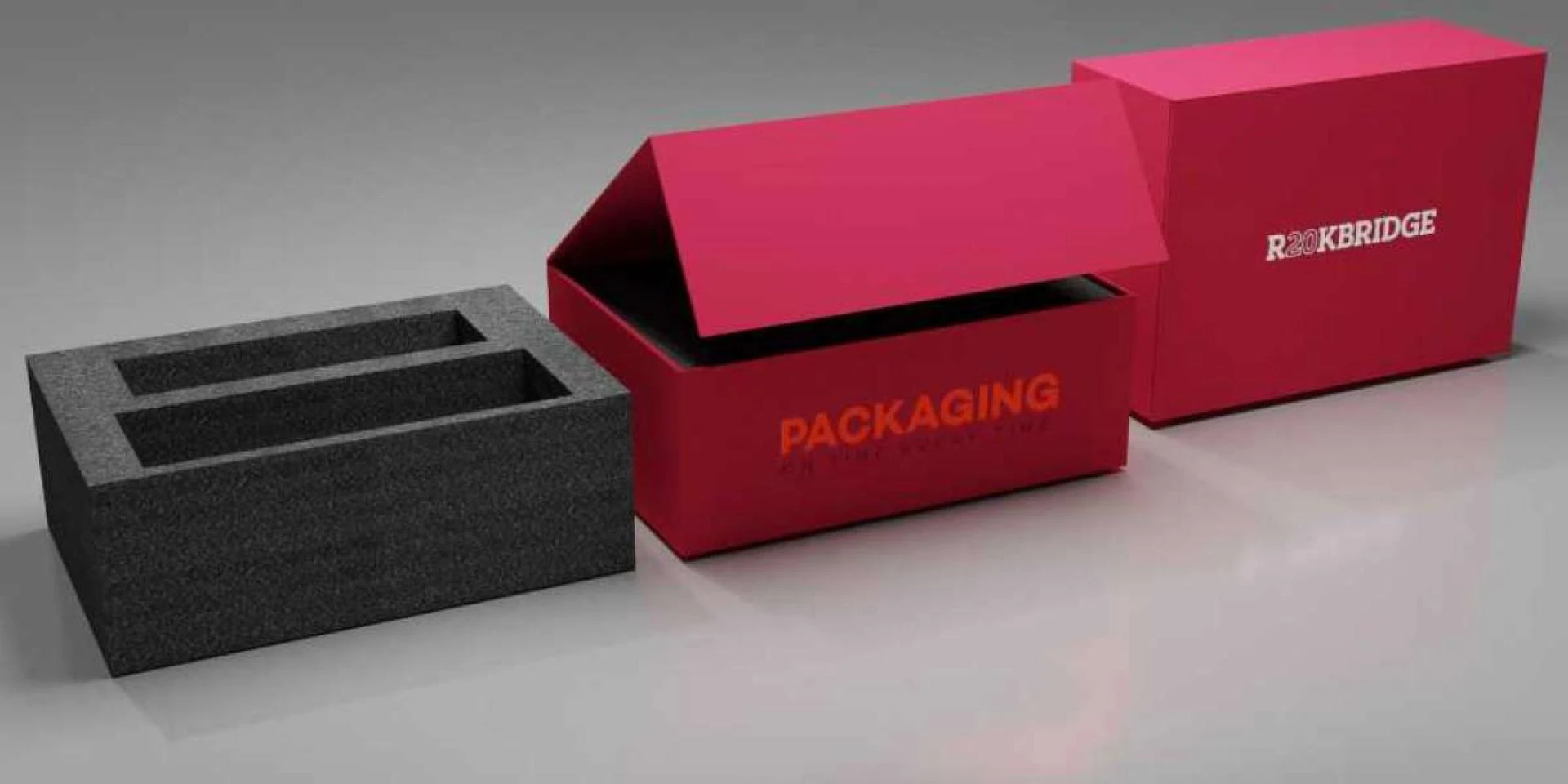

Sustainability is fundamentally changing how companies view and deliver their products. The demands from consumers, regulatory pressures, and environmental responsibilities have all pushed contemporary brands to re-examine their packaging practices. Eco-friendly packaging isn’t just a trend—it is now a critical part of brand strategy and market success.
Zee Custom Boxes UK: Leading Sustainable Packaging Solutions
When it comes to scaling sustainability in packaging, Zee Custom Boxes UK has become a reference point for brands aspiring to integrate planet-friendly choices with reliable, effective packaging design. Their efforts exemplify the movement toward sustainable materials, responsible sourcing, and lower environmental footprint.
The Expanding Role of Eco-Friendly Packaging in Modern Business
Organizations are recognizing that sustainability touches every aspect of the customer experience, including the first physical interaction with a product—its packaging. As a result, businesses are rapidly adopting eco-friendly materials and practices to reduce landfill contributions and demonstrate climate leadership.
Why Eco-Friendly Packaging Matters
- Brand Trust and Loyalty: Increasingly, customers judge companies by their environmental actions. Up to 60% of consumers report paying a premium for products packaged sustainably.
- Environmental Responsibility: Switching from traditional plastic to sustainable materials cuts carbon footprints, decreases resource depletion, and reduces ocean-bound plastics.
- Regulatory Compliance: With new global guidelines and plastic restrictions, brands face rising mandates for eco-friendly packaging solutions.
The Shift in Consumer Preferences
Changing consumer behavior is one of the primary forces accelerating packaging innovation. Younger buyers, especially Gen Z and Millennials, actively seek products that align with their sustainability values, and many are willing to change brands based on packaging choices.
Key Trends in Sustainable Packaging for 2025
The evolution of packaging in 2025 revolves around four key pillars: innovative materials, minimalist and efficient design, transparency, and circular solutions.
Bio-Based and Compostable Materials
Bio-based packaging made from renewable resources—such as bamboo, sugarcane pulp, rice husk, mycelium, and hemp—is rapidly replacing petroleum-based plastics. These materials can be either home compostable or industrially composted, returning safely to the earth without persistent pollutants.
Mushroom and Seaweed Applications
Innovative brands are now using mycelium (mushroom root network) and seaweed to make packing foams and wraps. These options break down easily and are produced with very low emissions.
Fewer Plastics, More Paper
There is a decisive industry move toward “paperization,” with paper and cardboard increasingly used to replace plastic in everything from mailers to liquid containers. Such solutions are not only biodegradable but also widely recyclable.
Streamlined and Minimalist Packaging Design
Minimalist packaging responds to both environmental urgency and consumer appetite for less waste. Brands are reducing non-recyclable components and focusing on designs that use fewer materials, streamline logistics, and still provide all the necessary protection and product information.
Smart Labeling for Responsible Disposal
Simplified labeling has become essential for consumer education and recycling efficiency. Packaging now often includes clear graphics or QR codes to advise on end-of-life options, ensuring materials are sorted correctly and increasing recycling rates.
Circular Models: Refillable and Reusable Packaging
Circularity is redefining relationships between brands and buyers. Many companies are opting for reusable or refillable packaging, especially in food, beauty, and household goods sectors.
Examples of Circular Innovation
- Refillable containers sent back to brands for sanitizing and reuse.
- Modular packaging systems designed for easy disassembly and recycling.
- Collaboration with take-back programs and local recycling initiatives.
Digital Printing and Waste Reduction
Digital printing now allows for more efficient, on-demand package production. This reduces overstock, minimizes waste, and enables greater customization according to seasonal or market demands—all with lower energy use and environmental impact.
Transparency and Traceability: Earning Consumer Trust
Being transparent about material sourcing, the life cycle of packaging, and how end-users should dispose of packaging materials enhances brand credibility. Many companies are publicly sharing environmental audits and supply chain data to demonstrate authentic sustainability.
Forest Stewardship and Certified Materials
Businesses that prioritize certified, traceable materials—like FSC-certified wood fiber—ensure their procurement does not contribute to deforestation or biodiversity loss.
Supply Chain Accountability
Modern tracking and traceability technologies help brands prove the origins of their raw materials and document compliance with environmental regulations. This supports not only green marketing claims but also risk management throughout the value chain.
How Zee Custom Boxes UK Supports Sustainable Brand Growth
Wide Range of Eco-Friendly Options
Zee Custom Boxes UK provides access to numerous sustainable materials, including recycled and biodegradable cardboard, plant-based plastics, and innovative compostable substrates. These choices align with both market expectations and regulatory requirements, helping brands position themselves as responsible and future-ready.
Efficient and Responsible Manufacturing
Their production facilities implement energy-efficient processes, leverage low-impact printing methods, and actively minimize offcut waste. Brands benefit from packaging that meets stringent sustainability standards at every step.
Building Business Value with Sustainable Packaging
The adoption of eco-friendly packaging does far more than comply with regulations—it generates tangible business advantages:
Deeper Connections with Customers
Packaging that aligns with environmental values fosters identification and ongoing loyalty. Unboxing experiences become opportunities for brands to demonstrate authenticity in a highly competitive space.
Future-Proofing Brands
Sustainable packaging positions businesses to respond faster and more effectively to emerging legislation, supply chain pressures, and evolving buyer preferences. This becomes both a hedge against risk and an enabler for future growth.
Implementing Sustainable Packaging: Considerations and Best Practices
Adopting eco-friendly packaging involves a strategic approach:
Lifecycle Assessment
Evaluate the full environmental impact—from raw material extraction and manufacturing to consumer use and end-of-life disposal—before committing to specific packaging options.
Collaboration Across the Value Chain
Connect with suppliers, logistics partners, and recycling organizations to ensure that packaging choices can be recycled or composted where products are actually sold.
Communication and Education
Use packaging as a medium to inform consumers about its sustainable attributes and proper disposal methods. Clear, accessible instructions increase actual recycling rates and contribute to greater overall impact.
Perspectives for the Future
Eco-friendly packaging will continue to evolve as materials science and regulatory frameworks progress. New developments in digital traceability, advanced biodegradables, and AI-powered recycling systems will contribute to a greener, more efficient future for brands and consumers alike.
A Fresh Path Forward
For modern brands, eco-friendly packaging is no longer about standing out but about staying relevant. The shift is clear: market leaders recognize that sustainability and innovation are linked, and that packaging choices send powerful signals to environmentally conscious buyers. Those who adapt thoughtfully—leveraging solutions from industry leaders like Zee Custom Boxes UK—will earn trust, solidify customer relationships, and safeguard their reputation for the next era of business.










Sign in to leave a comment.