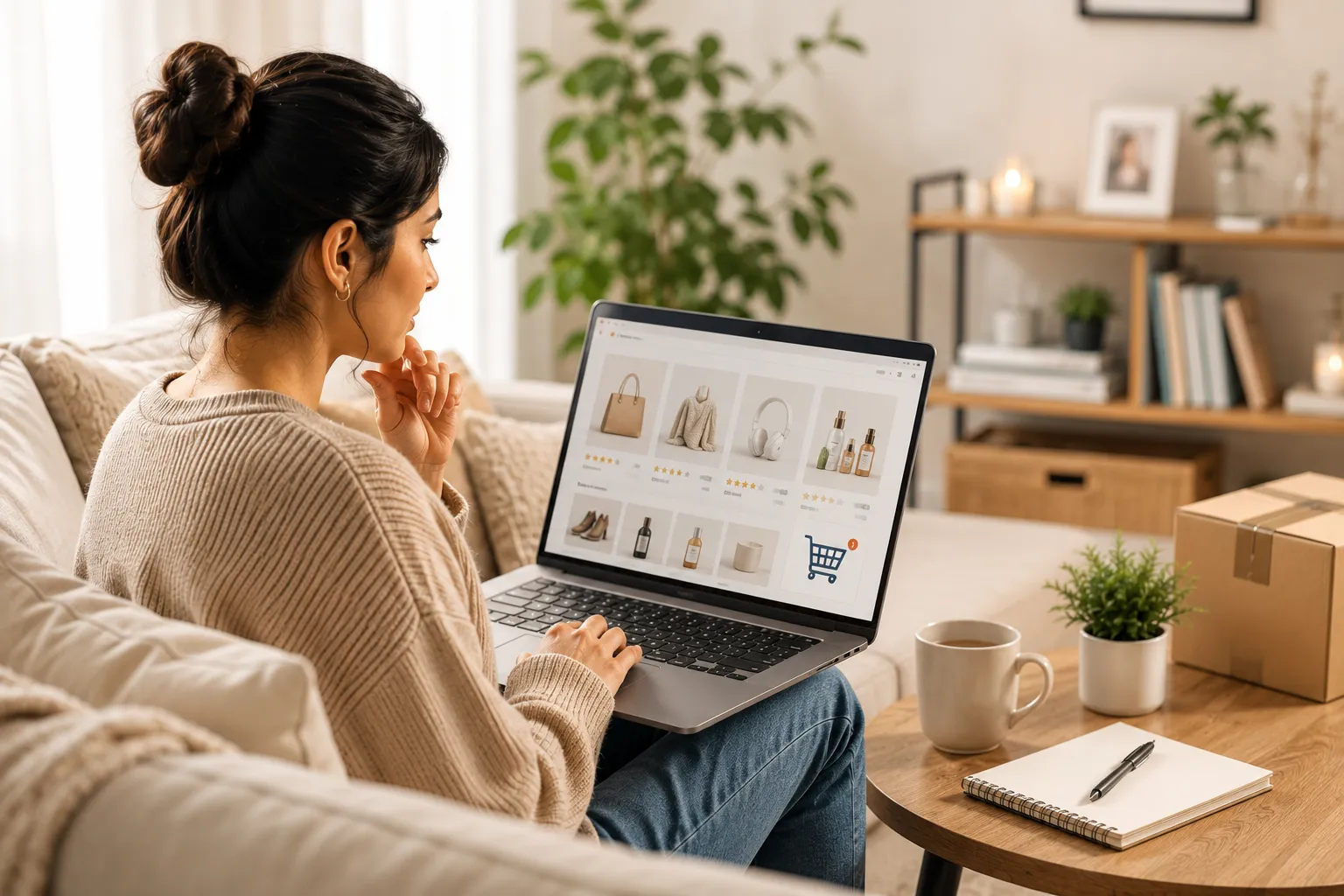

It's a Tuesday afternoon and someone's on their phone during a lunch break, half-watching a video, half-scrolling. An ad pops up for a product they didn't know they needed — a weighted blanket, a skincare set, a pair of shoes that look more comfortable than anything in their closet. They pause. They tap it. And then, more often than not, they close the tab a few seconds later and go back to whatever they were doing before.
That tiny moment — the pause, the tap, the almost-interest — is where the shopper journey actually begins. Most people assume it starts when someone lands on a product page ready to buy. It doesn't. It starts way earlier, in these small, easy-to-miss moments of curiosity that most stores never notice happening.
If you run an online store, understanding this journey is honestly more useful than knowing any single marketing tactic. It's also why a well-planned ecommerce lead generation strategy has become essential. Getting someone to click an ad is easy. Getting them all the way to checkout is a completely different problem.
The first click: curiosity, not intent
When someone clicks that first ad or link, they're not thinking "I'm going to buy this today." They're thinking "huh, that's kind of interesting" or "I didn't know they made these." That's it. It's a small, almost lazy kind of curiosity, not a purchase decision.
This is where a lot of stores lose people without realizing it. If the landing page is slow, cluttered, or doesn't match what the ad promised, that curiosity dies instantly. People don't stick around to figure things out. They just leave. What keeps someone on the page a little longer is simplicity — a clear photo, a straightforward price, maybe a line explaining why this product is actually worth their time. Nothing fancy. Just clear.
The browsing stage: this is where trust quietly builds
If the first click goes well, the person starts browsing a bit more. Maybe they scroll through a few other products. Maybe they check the reviews. Maybe they open a new tab to see if the same thing is cheaper somewhere else — which, let's be honest, almost everyone does.
This stage is where trust either builds or falls apart. Real reviews, actual customer photos, and a return policy that's easy to find all matter here more than people expect. Shoppers aren't reading the fine print for fun. They're looking for small signs that this store is legitimate and won't disappear with their money.
This is also where a lot of the real work of ecommerce lead generation happens, even if it's invisible to the shopper. Email popups offering a small discount, a quiz that helps someone find the right product, or a simple "get notified when it's back in stock" form — these all quietly capture interest before someone is fully ready to buy. And that matters, because most people aren't ready yet.
The abandoned cart: not a lost sale, just a pause
Here's something a lot of store owners take too personally — someone adding an item to their cart and then leaving without buying isn't a failure. It happens constantly, and it's rarely because the person changed their mind completely. More often, they got distracted, wanted to think it over, or were just checking the total cost before deciding.
This is exactly the moment where retargeting and follow-up emails do their best work. Not the loud, "COME BACK NOW" kind of email — the quieter kind that just gently reminds them the item is still there, maybe with a small nudge like free shipping or a limited-time discount. Done well, this step alone recovers a meaningful chunk of otherwise-lost sales.
The decision moment: remove friction, not add pressure
When someone finally decides to buy, the checkout process becomes the last real hurdle. And it's a bigger hurdle than most stores realize. A checkout that asks for too much information, doesn't show shipping costs early enough, or forces someone to create an account before they can pay — any of these can make a ready buyer change their mind at the last second.
The stores that convert well here keep things simple. Guest checkout options. Upfront pricing with no surprise fees at the end. Multiple payment methods, because not everyone wants to type in a card number on their phone. None of this is exciting marketing advice, but it's often the difference between a completed sale and an abandoned cart.
Why the whole journey matters more than any single step
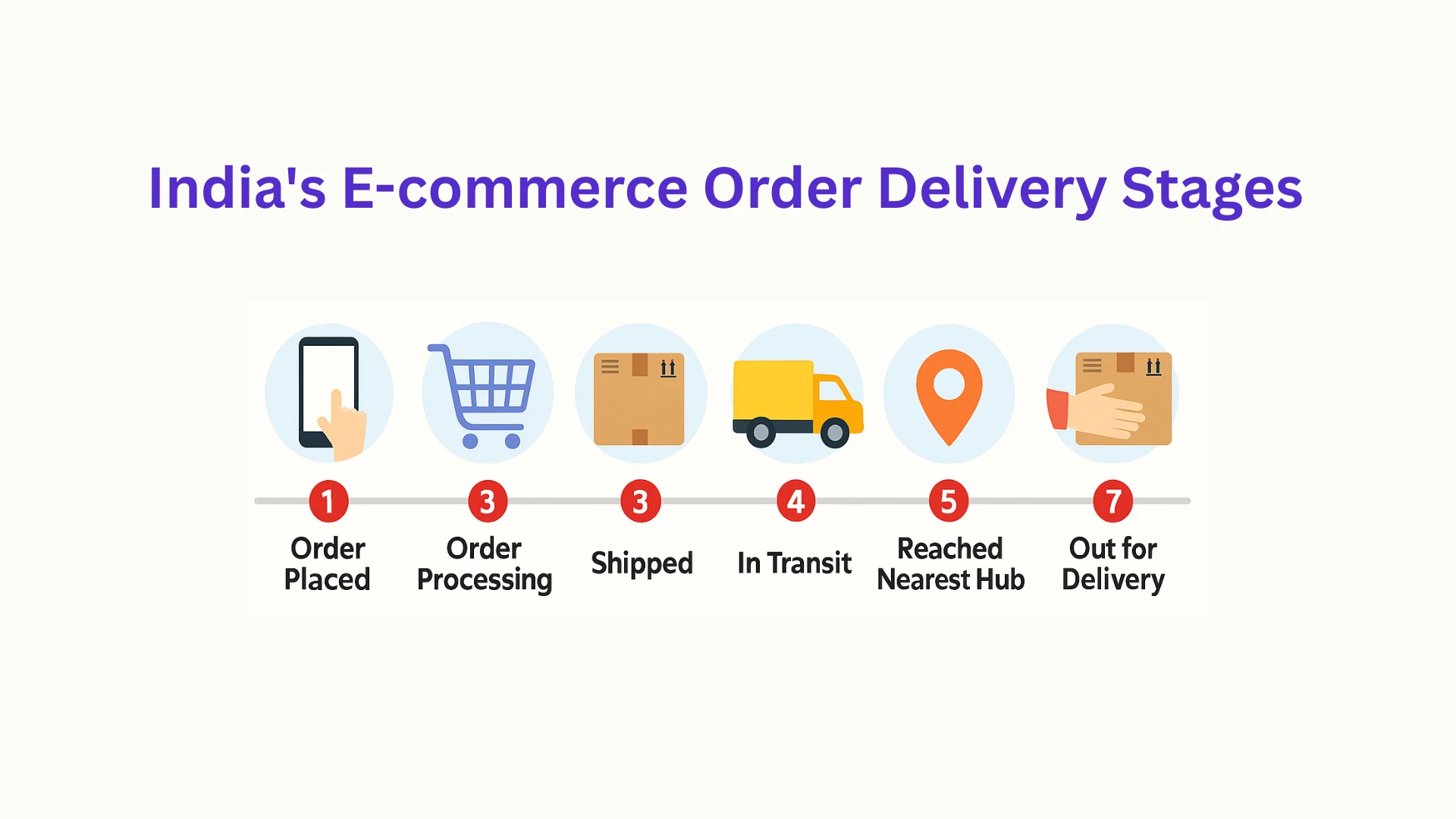
The truth is, no single ad or email gets someone from that first curious click all the way to a completed purchase. It's the accumulation of small, well-timed touchpoints — the ad that caught their eye, the review that reassured them, the reminder email that brought them back — that eventually adds up to a sale.
That's really what good ecommerce lead generation is about at its core. It's not one clever trick or one perfect ad. It's understanding that shoppers move through stages, often slower and more hesitantly than store owners expect, and meeting them with the right message at each one of those stages.
Stores that get this right don't just get more traffic. They get shoppers who already trust them a little before they've even finished checking out — which, in the end, is what keeps people coming back for a second purchase, and a third.






















Sign in to leave a comment.