

Living with eczema is challenging, and when it affects dark skin, it presents unique hurdles. Eczema dark skin concerns often revolve around hyperpigmentation, which occurs when patches of skin become darker than the surrounding area. This hyperpigmentation can be distressing, affecting not just physical appearance but also self-esteem and quality of life.
The Science Behind Eczema and Hyperpigmentation
Eczema, also known as atopic dermatitis, is a chronic inflammatory skin condition characterized by red, itchy, and inflamed skin. Dark skin individuals are prone to developing post-inflammatory hyperpigmentation (PIH) due to increased melanin production in response to inflammation or injury. This means that even minor skin irritations, such as scratching eczema patches, can lead to dark spots that persist long after the initial irritation subsides.
Common Triggers and Aggravators
To effectively manage eczema dark skin, it\'s crucial to identify and address potential triggers and aggravators. Common culprits include:
- Harsh Chemicals: Certain skincare products containing fragrances, preservatives, or alcohol can exacerbate eczema and contribute to hyperpigmentation.
- Environmental Factors: Exposure to extreme temperatures, dry air, or pollutants can trigger eczema flare-ups and worsen existing dark patches.
- Stress: Emotional stress can weaken the skin\'s barrier function, making it more susceptible to inflammation and hyperpigmentation.
- Poor Skincare Habits: Neglecting moisturization or using abrasive exfoliants can compromise skin health and exacerbate eczema symptoms.

Empowering Solutions for Eczema Dark Skin
Gentle Cleansing and Moisturization
A gentle skincare routine is paramount for managing eczema dark skin. Opt for fragrance-free, hypoallergenic cleansers and moisturizers formulated specifically for sensitive skin. Look for ingredients like ceramides, hyaluronic acid, and shea butter, which help replenish moisture and strengthen the skin barrier.
Targeted Treatment Options
Various treatment modalities can help alleviate eczema symptoms and minimize hyperpigmentation:
- Topical Steroids: Prescribed by dermatologists, topical corticosteroids can reduce inflammation and lighten dark patches.
- Topical Retinoids: Retinoids promote cell turnover, aiding in the fading of hyperpigmentation over time.
- Hydroquinone: This skin-lightening agent inhibits melanin production, effectively lightening dark spots when used under medical supervision.
- Chemical Peels: Dermatologist-administered chemical peels can help exfoliate the skin and fade hyperpigmentation gradually.
Sun Protection
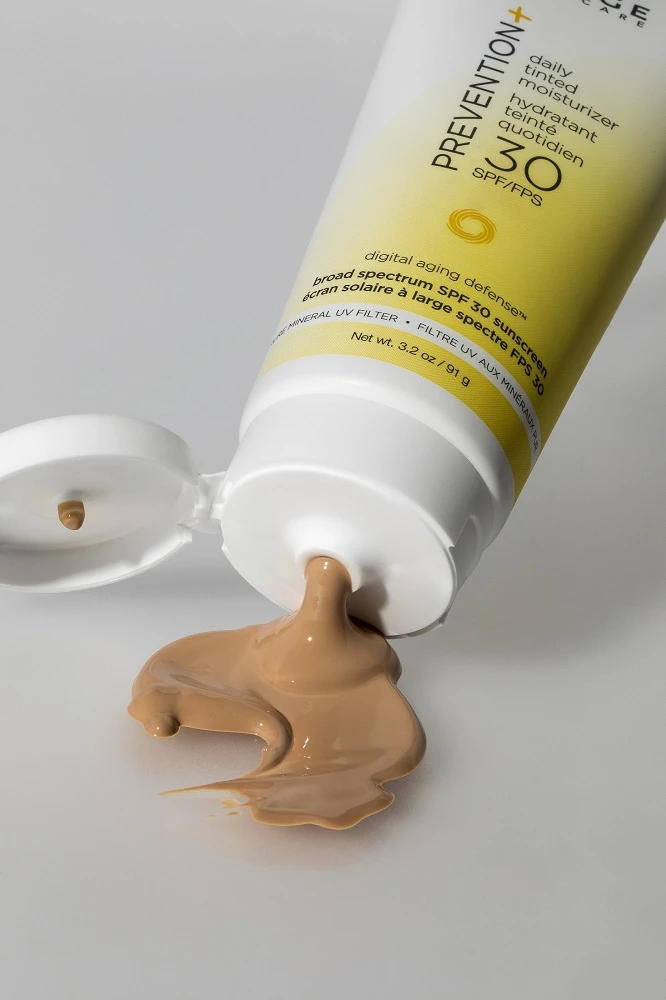
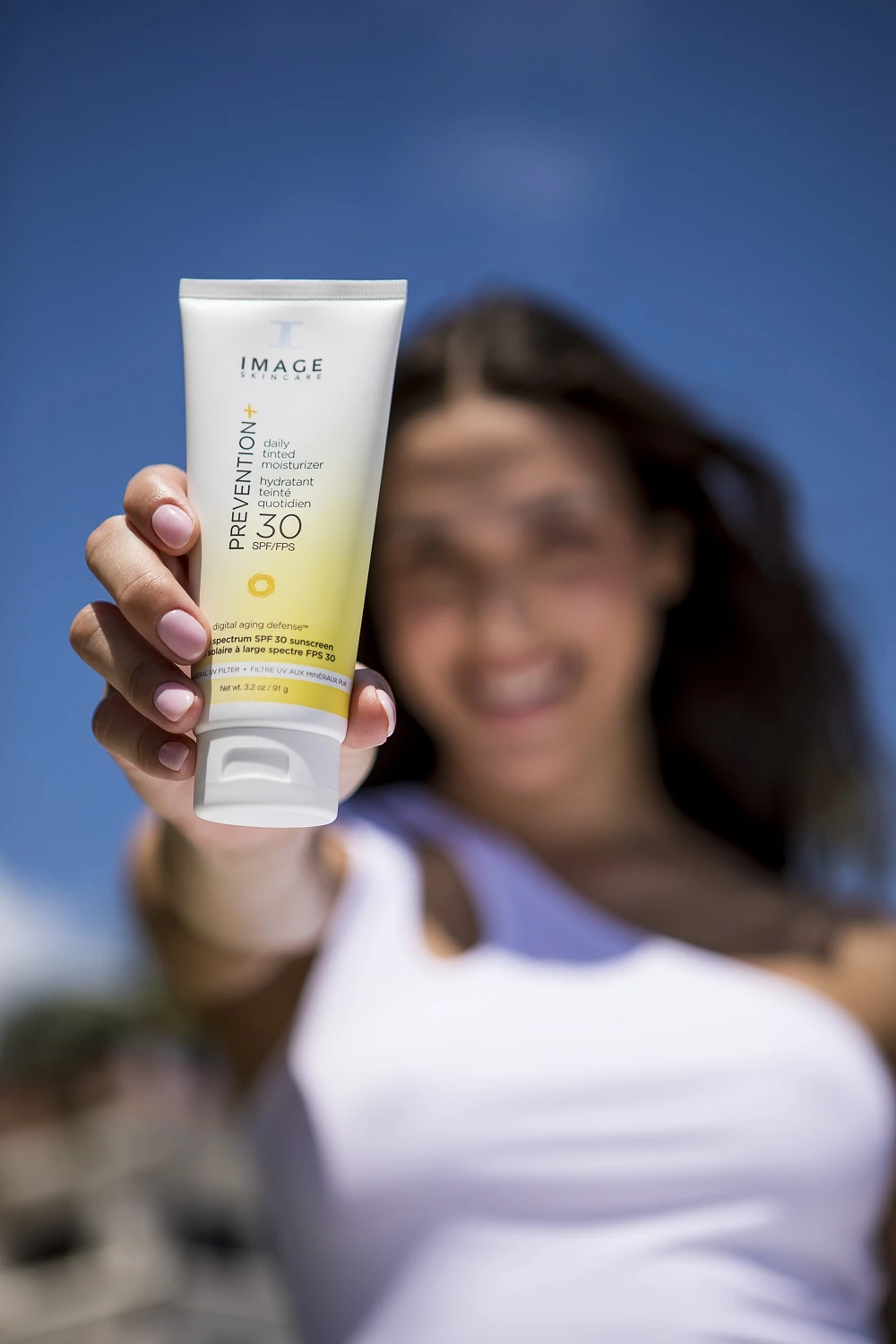
Sun exposure can exacerbate hyperpigmentation and worsen eczema symptoms. Incorporate broad-spectrum sunscreen with SPF 30 or higher into your daily routine, even on cloudy days. Opt for physical sunscreens containing zinc oxide or titanium dioxide, which are less likely to cause irritation.
Lifestyle Modifications
In addition to skincare interventions, certain lifestyle modifications can promote skin health and reduce eczema flare-ups:
- Stress Management: Practice relaxation techniques such as mindfulness meditation, deep breathing exercises, or yoga to minimize stress and promote overall well-being.
- Dietary Considerations: Maintain a balanced diet rich in antioxidants, vitamins, and omega-3 fatty acids, which support skin health and may help reduce inflammation.
- Avoiding Irritants: Identify and avoid common triggers such as harsh detergents, fragrances, and wool fabrics that can exacerbate eczema symptoms.
Frequently Asked Questions (FAQs)
Q: What causes eczema on dark skin?
A: Eczema on dark skin can be caused by a combination of genetic factors, environmental triggers, and immune system dysfunction. It\'s important to identify and manage these triggers to alleviate symptoms.
Q: Why does eczema cause dark patches on the skin?
A: Eczema can lead to dark patches on the skin due to a process called post-inflammatory hyperpigmentation (PIH). When the skin becomes inflamed or irritated, it produces more melanin, resulting in darker areas.
Q: How can I treat dark patches from eczema on my dark skin?
A: Treatment options for dark patches caused by eczema include topical corticosteroids, moisturizers, and skincare products containing ingredients like retinoids or hydroquinone. It\'s best to consult with a dermatologist for personalized treatment recommendations.
Q: Can lifestyle changes help manage eczema and dark skin?
A: Yes, lifestyle changes such as managing stress, avoiding harsh skincare products, and protecting your skin from the sun can help manage eczema and minimize dark patches. Additionally, maintaining a healthy diet rich in vitamins and antioxidants can support skin health.
Conclusion: Embracing Radiant Skin
In conclusion, navigating eczema dark skin challenges requires a multifaceted approach encompassing skincare, treatment interventions, and lifestyle modifications. By understanding the underlying causes and implementing targeted solutions, individuals can reclaim confidence and achieve brighter, healthier skin.





















Sign in to leave a comment.