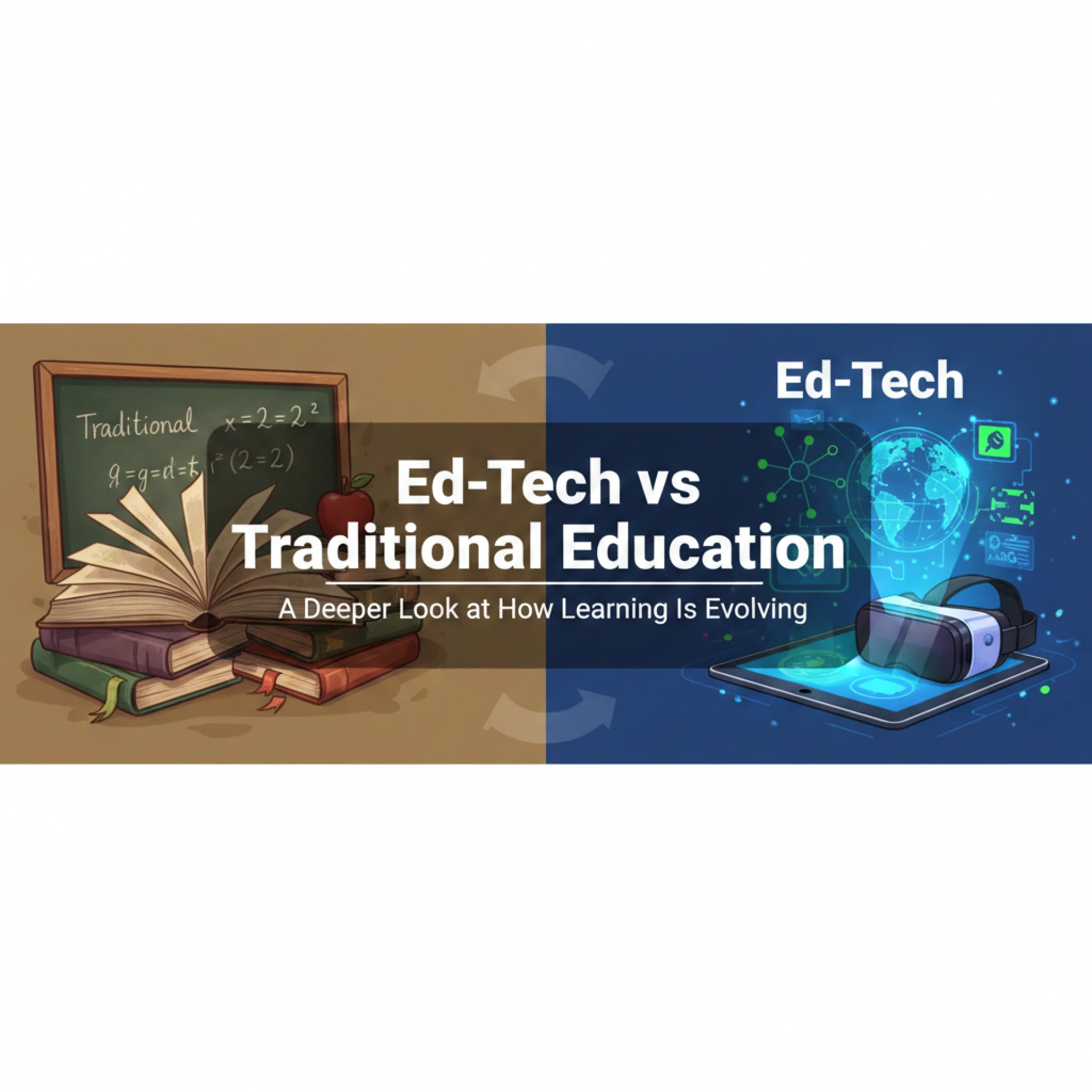
The debate between ed-tech and traditional education isn’t just about classrooms or devices—it’s about how students learn, how teachers teach, and how schools prepare students for the future.
Teaching and Learning Styles
Traditional education focuses on teacher-led instruction, structured schedules, and textbooks. Ed-tech, on the other hand, emphasizes student-centered learning, interactive tools, and self-paced progress. While traditional methods provide structure, ed-tech encourages exploration, creativity, and problem-solving.
Assessment and Feedback
Traditional schools rely heavily on exams and periodic assessments. Ed-tech introduces continuous evaluation, real-time feedback, and data-driven insights, helping students and teachers identify gaps early and improve learning outcomes.
Skills for the Future
Beyond academics, ed-tech supports digital literacy, critical thinking, and collaboration, preparing students for higher education and modern careers. Traditional classrooms excel in discipline, social interaction, and routine, creating well-rounded individuals.
Teacher Support
Ed-tech provides teachers with smart tools, lesson planning support, and performance analytics, while traditional education relies on in-person training and experience. The combination of both can enhance teaching effectiveness.
Making the Choice: Blended Learning
The future isn’t about choosing ed-tech vs traditional education—it’s about blended learning. Schools can retain the best of traditional methods while leveraging technology to make learning engaging, personalized, and future-ready.
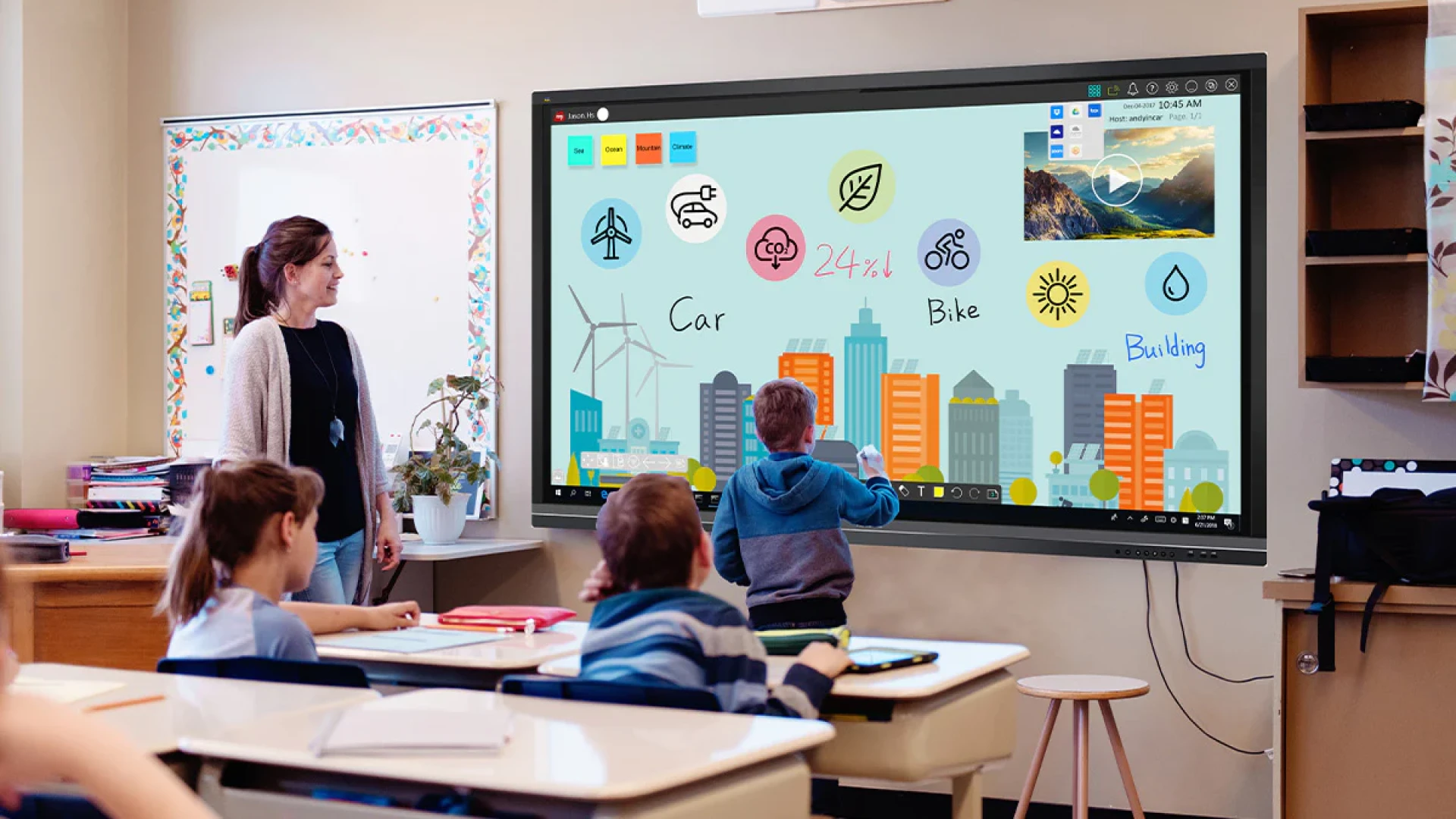
NAVNEET TOPTECH helps schools implement this balance, offering curriculum-aligned digital tools, smart classrooms, and analytics to support teachers and students alike.
Conclusion: The best learning happens when technology strengthens teaching, and tradition ensures structure. A blended approach prepares students for today’s challenges and tomorrow’s opportunities.


























Sign in to leave a comment.