
The leading causes of illness and mortality worldwide. Proper cardiac patient management is essential to improving heart health, preventing complications, and enhancing the quality of life. A comprehensive approach, including medical treatment, lifestyle changes, and continuous monitoring, plays a crucial role in managing cardiovascular conditions effectively.
Key Components of Cardiac Patient Management
1. Accurate Diagnosis and Risk Assessment
Early diagnosis is critical in managing heart disease. Healthcare providers use various diagnostic tools such as ECGs, echocardiograms, stress tests, and blood tests to assess heart function and detect abnormalities. Identifying risk factors like high blood pressure, high cholesterol, diabetes, and family history helps in early intervention.
2. Personalized Treatment Plans
Each cardiac patient requires a tailored treatment plan based on their specific condition. Treatment may include:
- Medications such as beta-blockers, anticoagulants, and cholesterol-lowering drugs.
- Surgical interventions like angioplasty, bypass surgery, or pacemaker implantation for severe cases.
- Lifestyle modifications to improve overall heart health.
3. Lifestyle Modifications for Heart Health
Managing heart disease effectively involves adopting a heart-healthy lifestyle, including:
- Healthy Diet: A diet rich in fruits, vegetables, whole grains, and lean proteins while minimizing salt, sugar, and unhealthy fats.
- Regular Exercise: Engaging in moderate physical activity like walking, swimming, or yoga to strengthen the heart.
- Weight Management: Maintaining a healthy weight to reduce the burden on the heart.
- Smoking Cessation and Alcohol Control: Avoiding tobacco and limiting alcohol intake to prevent further complications.
4. Regular Monitoring and Follow-ups
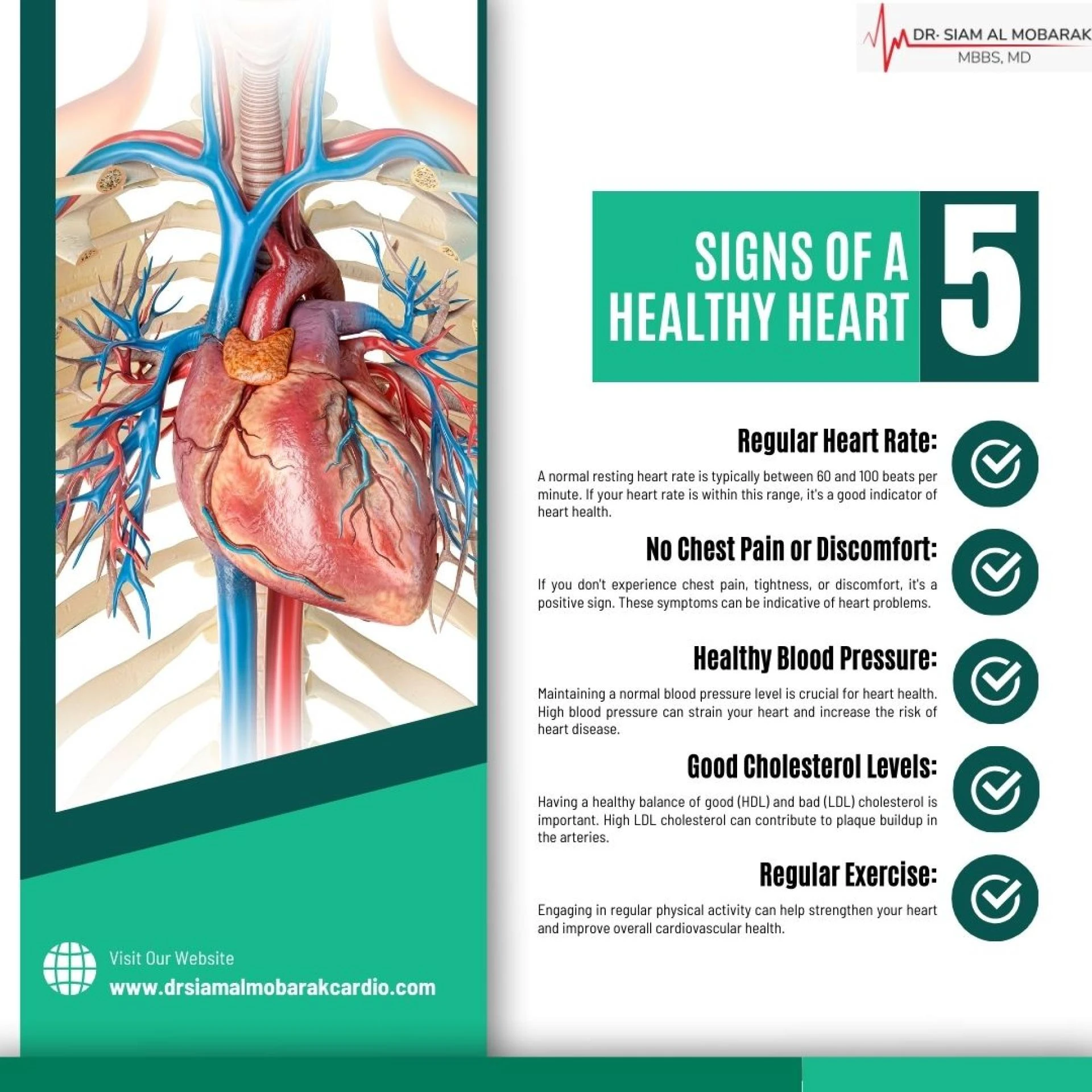
Continuous monitoring is crucial for patients with heart conditions. Regular check-ups with a cardiologist help track progress, adjust medications, and manage any emerging symptoms. Wearable health monitoring devices can also assist in tracking heart rate and blood pressure in real-time.
5. Mental and Emotional Well-being
Heart disease can impact mental health, leading to stress, anxiety, and depression. Support groups, counseling, and stress management techniques such as meditation and deep breathing exercises can significantly improve emotional well-being and overall recovery.
Importance of a Multidisciplinary Approach
Cardiac patient management requires collaboration among healthcare professionals, including cardiologists, dietitians, physiotherapists, and mental health experts. This integrated approach ensures comprehensive care and better patient outcomes.
Conclusion
Effective cardiac patient management is essential for preventing complications, improving heart function, and enhancing the quality of life. Through early diagnosis, personalized treatment, lifestyle changes, and continuous monitoring, patients can lead healthier lives despite heart disease. Prioritizing heart health and seeking professional guidance are key to managing cardiovascular conditions successfully.



























Sign in to leave a comment.