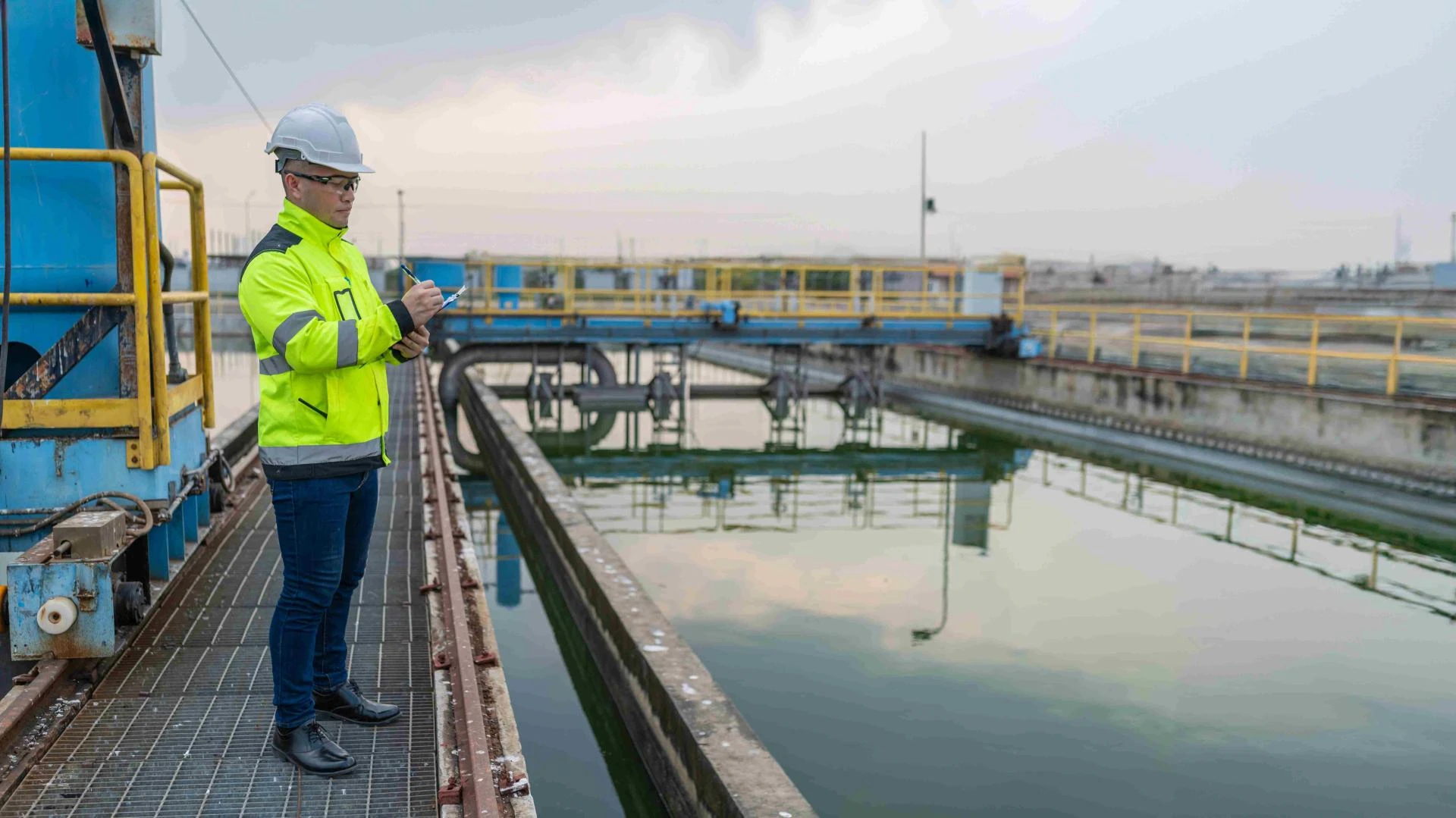

If you’re managing wastewater in any serious industrial setting, chances are you’ve dealt with urea — or, more precisely, the problems it brings once it breaks down. Urea might not sound too alarming at first, but once it hits wastewater systems and turns into ammonia, things can get complicated fast. And not just complicated — costly, too.
That spike in ammonia doesn’t just raise eyebrows with regulators; it threatens aquatic life, throws oxygen levels off balance, and can create long-term headaches for treatment systems that weren’t built to handle this kind of load. That’s why industries today are paying closer attention to the treatment of urea wastewater to avoid such complications.
Why Urea Wastewater Isn’t a Simple Problem
The tricky part isn’t just the urea itself. Rarely does it show up alone. Industrial wastewater is a messy mix — oils, organic waste, chemicals, and a whole host of other contaminants come along for the ride. That makes urea wastewater treatment much less straightforward than many would hope. And when urea decomposes into ammonia, the nitrogen load can climb quickly, pushing conventional treatment setups beyond their comfort zone.
That unpredictability is part of what makes the treatment of urea wastewater so stubborn and challenging across different industries.
So, What’s Actually Working Right Now?
Thankfully, in the past decade or so, several technologies have really stepped up — not just to manage urea wastewater treatment, but to give industries more reliable, efficient control over their entire wastewater process.
Biological Treatment: Still a Go-To Option
There’s a reason industries keep going back to biological methods. Microorganisms, when managed correctly, do an impressive job of converting ammonia into nitrogen gas through nitrification and denitrification. Once it’s nitrogen gas, it’s harmless — venting right back into the atmosphere. And because this approach leans on natural processes, it’s generally more sustainable in the long run.
Membrane Bioreactors (MBRs): Compact, Precise, Reliable
For companies squeezed on space or dealing with stricter discharge limits, MBRs have become an increasingly attractive option. They combine biological treatment with fine filtration, catching solids and dissolved contaminants that might slip through other systems. What comes out the other side is usually clean enough to meet even the tighter regulations popping up worldwide for urea wastewater treatment.
Reverse Osmosis (RO): When You Can’t Take Chances
Some industries — food processing, pharma, textiles — need nearly spotless water for their operations. RO systems, though more expensive upfront, strip out nearly everything unwanted, including any leftover urea and ammonia. For facilities where water quality directly affects product safety or quality, this level of filtration isn’t just helpful — it’s necessary for treatment of urea wastewater.
Advanced Oxidation Processes (AOPs): The Backup Plan
In cases when the contaminants are particularly stubborn, AOPs are introduced. The systems release hydroxyl radicals that disintegrate complex organic molecules such as the urea-based compounds, which other methods of treatment might only be able to address partially. AOPs are not always the initial option, but in case of some wastewater profiles, they can be the difference-maker in the treatment of urea wastewater.
Where Superweld Eco-Solutions Fits In
Of course, it is one thing to have access to technology and another thing is to know how to apply it in the real world. Superweld Eco-Solutions has cut its niche there. They do not simply drop a one-size-fits-all system, rather they take a keen interest in what is going on at the site and create solutions that suit the particular plant.
Their application of specific microbial cultures, enzymatic-enhanced destruction techniques, and tailored filtration systems enables them to manage a variety of wastewater conditions. Their systems frequently enable the facilities to reduce water consumption, minimize energy costs and operating costs on an ongoing basis, beyond mere compliance with regulatory requirements.
The Bigger Picture
Let’s be honest: regulatory compliance is only part of the equation now. Companies know that water management ties directly into their public image, long-term profitability, and environmental responsibility. Poor urea wastewater treatment can cost more than just fines — it can cost contracts, reputations, and opportunities.
By taking a proactive approach — choosing the right technologies and experienced partners like Superweld Eco-Solutions — industries are protecting themselves in more ways than one. They’re not just solving today’s problems; they’re investing in operational stability for years ahead.




























Sign in to leave a comment.