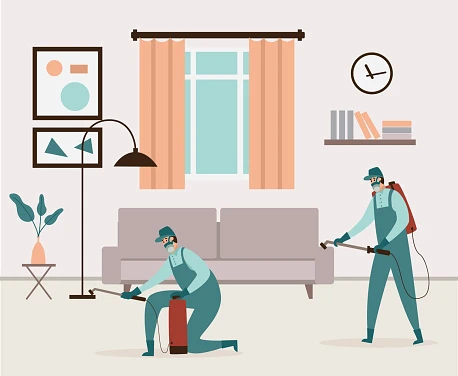

Pest management is a crucial aspect of maintaining a healthy and pest-free environment. Whether you are dealing with insects, rodents, or other unwanted pests, implementing effective strategies is essential for long-term prevention and control. In this blog post, we will explore some key pest management strategies that can help you protect your home, garden, or business from infestations.
Integrated Pest Management (IPM)
Integrated Pest Management is an approach that focuses on using a combination of preventive measures, monitoring, and targeted treatments to manage pests effectively. This strategy aims to minimize the use of pesticides and prioritize environmentally friendly methods. IPM involves the following steps:
a) Pest Identification: Accurately identify the pests present and understand their behavior, life cycle, and vulnerabilities.b) Monitoring and Inspection: Regularly monitor and inspect the area to detect pest activity and assess the severity of the infestation.c) Prevention: Implement preventive measures such as sealing entry points, eliminating food and water sources, and maintaining cleanliness to minimize pest attraction.d) Cultural and Mechanical Controls: Utilize methods like habitat modification, trapping, physical barriers, and manual removal to reduce pest populations.e) Biological Controls: Introduce natural enemies of pests, such as predators, parasites, or pathogens, to regulate their populations.f) Chemical Controls: As a last resort, selective and targeted use of pesticides may be necessary. However, this should be done responsibly and with consideration for non-target organisms.Sanitation and Hygiene
Maintaining proper sanitation and hygiene practices is fundamental in preventing pest infestations. Pests are attracted to food sources, standing water, and unclean environments. To minimize their presence:
a) Store food in sealed containers and keep countertops, floors, and trash cans clean.b) Regularly empty and clean gutters, as stagnant water can attract mosquitoes and other insects.c) Ensure proper waste management and disposal, keeping garbage bins tightly sealed.d) Remove clutter and debris, both indoors and outdoors, as they can serve as hiding places for pests.Exclusion
Preventing pests from entering your property is an effective strategy for pest management. Some exclusion methods include:
a) Sealing cracks, gaps, and holes in walls, windows, doors, and foundations to block entry points.b) Installing screens on windows and doors to keep flying insects out.c) Applying weatherstripping to doors and windows to eliminate gaps.d) Regularly inspecting and maintaining the integrity of your property's exterior, including the roof and siding.Proper Storage and Waste Management
Properly storing and disposing of items can significantly reduce the risk of pest infestations. Follow these guidelines:
a) Store firewood, outdoor equipment, and other items away from the main structure of your property.b) Dispose of waste regularly and securely in sealed bins.c) Compost properly by using closed bins and avoiding the inclusion of meat or dairy products, which can attract pests.d) Avoid leaving pet food outside overnight and store it in sealed containers.Education and Awareness
Promote awareness and educate yourself and others about pests, their behavior, and prevention techniques. Stay informed about local regulations, potential risks, and the latest pest control methods. This knowledge will empower you to make informed decisions and take appropriate actions to manage pests effectively.
Implementing these pest management strategies will help you create a healthier and pest-free environment. Remember, prevention is key, and by adopting a holistic approach that focuses on minimizing reliance on chemicals, you can maintain a balance between pest control and environmental sustainability.
Stay proactive, educate yourself, and consult professionals when needed for more specific pest management advice.










Sign in to leave a comment.