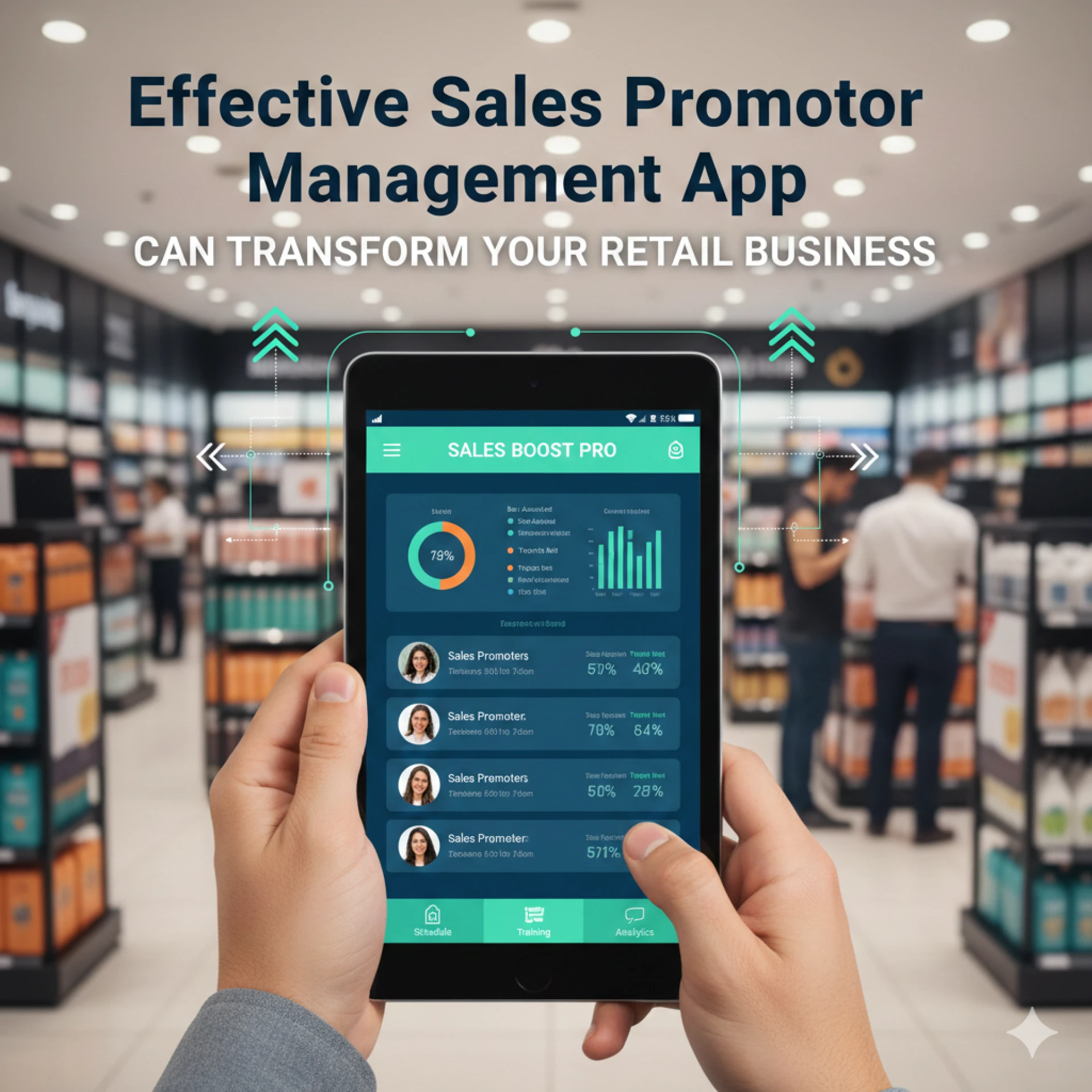

Retail success depends heavily on how well your sales promoters perform at stores. They are the face of your brand on the shop floor. They talk to customers, explain products, push offers, and help close sales. But managing promoters across multiple locations is not easy when you rely on calls, spreadsheets, or manual reports. This is where a sales promoter management app plays a strong role in improving control, visibility, and results.
This blog explains how the right system helps retail brands manage promoters better, reduce daily issues, and grow store-level sales in a practical way.
The Real Challenges of Managing Sales Promoters
Retail businesses often face the same problems again and again:
- No clear view of promoter attendance
- Late or incorrect sales reports
- No proof of store visits
- Difficulty tracking promoter performance
- Slow response to store-level issues
When promoters work in different cities or stores, these problems increase. Managers spend too much time following up instead of focusing on growth. Without proper data, decisions are based on assumptions rather than facts.
A sales promoter management app solves these gaps by bringing everything into one system.
What Is a Sales Promoter Management App?
A sales promoter management app is a mobile and web-based system that helps retail brands manage promoters working in stores. It allows managers to track attendance, daily activities, sales numbers, and store feedback in real time.
This type of system is often part of a broader promoter management software setup that supports planning, reporting, and performance review.
The goal is simple: give managers clear visibility and help promoters work better with less confusion.
How a Sales Promoter Management App Improves Daily Operations
1. Easy Attendance and Store Check-ins
With a sales promoter management app, promoters can mark attendance using mobile check-ins. Location and time are recorded automatically. This removes false entries and manual follow-ups.
Managers instantly know:
- Who is present
- Which store they are at
- What time they checked in
This builds discipline and saves hours of coordination.
2. Better Sales and Activity Reporting
Manual sales reporting often leads to errors or delays. A sales promoter management app allows promoters to submit daily sales and activity updates directly from the store.
Reports can include:
- Units sold
- Stock status
- Customer feedback
- Competitor activity
This data flows directly into the promoter management software, giving managers clean and structured reports without chasing updates.
3. Clear View of Promoter Performance
Not all promoters perform the same. Some convert better, some handle customers well, and some need support. Without data, it is hard to know who is doing well.
A sales promoter management app helps track:
- Sales per promoter
- Store-wise performance
- Target vs achievement
Using this data, brands can reward top performers and guide underperformers with proper training or support.
How Promoter Management Software Helps Retail Managers
While the app supports promoters on the ground, promoter management software supports managers and supervisors.
4. Central Control Across All Stores
With promoter management software, managers can view all promoters, stores, and reports from one dashboard. This is especially helpful for brands working with hundreds of stores.
Managers can:
- Assign promoters to stores
- Set daily or monthly targets
- Review performance reports
- Share instructions instantly
This reduces confusion and improves coordination.
5. Faster Issue Resolution at Store Level
Store issues like low stock, poor display, or pricing errors directly impact sales. With a sales promoter management app, promoters can report issues with photos and notes.
This allows teams to:
- Act faster
- Fix problems before sales drop
- Improve store execution
The promoter management software ensures that these issues are tracked until resolved.
Why Retail Brands Are Moving Away from Manual Methods
Retail brands that still rely on phone calls, WhatsApp messages, or Excel files often struggle with accuracy and scale. As store count grows, manual systems break down.
A sales promoter management app supports growth by offering:
- Real-time data
- Fewer errors
- Better planning
- Stronger accountability
This shift helps brands stay organized and prepared for expansion.
How This Helps Brands Increase Sales
When promoters are well-managed, sales improve naturally. Clear targets, proper tracking, and timely support create a better working system.
A sales promoter management app helps brands:
- Improve promoter focus
- Reduce absenteeism
- Increase store coverage
- Improve customer interaction
At the same time, promoter management software helps leaders plan better strategies based on actual store data.
Is a Sales Promoter Management App Right for Your Business?
If your brand works with:
- In-store promoters
- Field sales teams
- Multiple retail locations
Then a sales promoter management app is not optional anymore. It supports daily control and long-term planning without adding complexity.
Retail brands looking for better visibility, cleaner data, and improved promoter output benefit the most from using structured promoter management software.
Final Thoughts
Managing sales promoters well directly affects retail sales and brand presence. Manual systems slow teams down and hide problems. A sales promoter management app brings structure, clarity, and accountability to daily operations.
When paired with reliable promoter management software, retail brands gain full control over store execution and promoter performance. This leads to better decisions, stronger teams, and steady business growth.




























Sign in to leave a comment.