
Elder companion services bring purposeful presence into the home, combining compassionate friendship with practical assistance so older adults can preserve independence, dignity, and connection. The guidance below is written from a third person perspective and is intended to help decision makers evaluate, select, and optimize companion care for loved ones living at home, drawing on current trends and evidence about social isolation, aging in place, and the value of personalized, consistent support.
Elder companion services are not mere social visits; they are a tailored model of in home support that centers on the emotional, cognitive, and daily needs of the older person. These services emphasize relationship, routine, and responsiveness within the familiar environment of the home, where most older adults prefer to remain. With rising awareness from organizations such as AARP and findings from public health research that link social isolation to poorer health outcomes, elder companion services have grown into a vital pillar of in home care. The following sections unpack what high quality companion care looks like, how it benefits health and wellbeing, and what families should expect when arranging in home supports.
Comprehensive Comfort and Personal Care in the Home
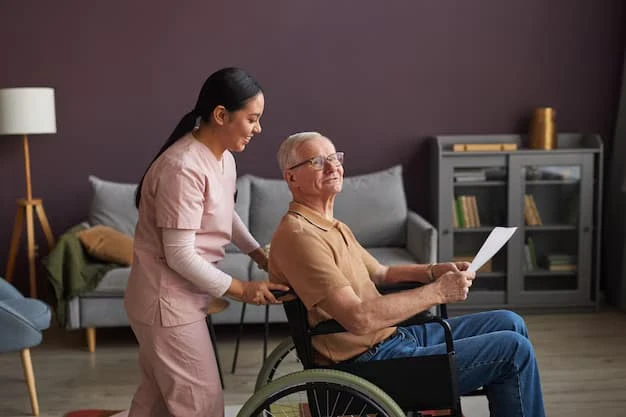
High quality elder companion services provide a blend of comforting presence and practical assistance that respects the older person’s habits and preferences. Caregivers help with morning and evening routines, ensure medication schedules are observed, prepare nourishing meals suited to dietary needs, and maintain a safe, orderly living space through light household tasks. Importantly, these activities take place where the person is most at ease: their own home. The continuity of a familiar setting reduces stress and supports memory, mobility, and mood, especially for people coping with chronic conditions or early stage dementia.
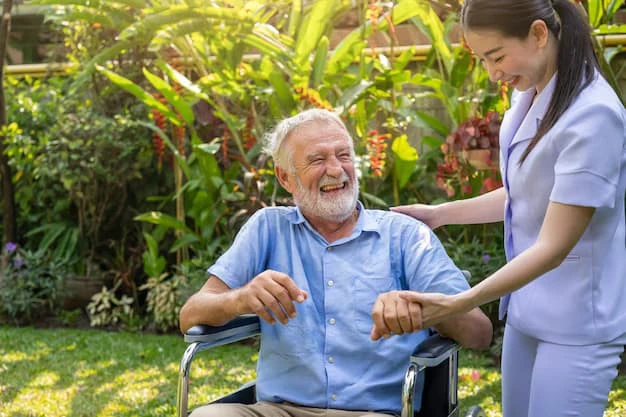
Beyond tasks, the essence of companion care is relational. Caregivers cultivate warm, consistent interactions through conversation, shared hobbies, and meaningful rituals that reinforce identity and purpose. They might read aloud, listen to life stories, engage in music or art activities, or support spiritual practices all chosen to align with personal history and interests. This relational layer does more than fill time; it fortifies mental health and counters the slow eroding effects of loneliness by restoring routine, attention, and a sense of being valued.
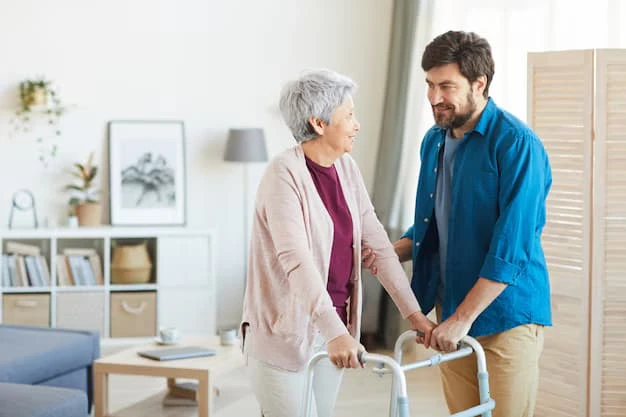
Practical in home support also includes mobility assistance within the household, from steadying an older adult as they move between rooms to helping with transfers to a chair or bed when needed. These actions lower fall risk and foster independence without disrupting the comfortable, known environment. In combination, physical support and emotional connection form the backbone of effective in home elder companion services and enable older adults to remain engaged in life on their own terms.
Social Support and Mental Wellbeing
Social connection is a protective factor for physical and cognitive health, and elder companion services are explicitly designed to deliver that protective interaction daily. The public health conversation around aging increasingly highlights how isolation increases risk for depression, cognitive decline, and even early mortality. Research summaries, including influential meta analyses on social relationships and health, underscore the measurable benefits of consistent social engagement. Companion caregivers act as a buffer against these risks by providing reliable human contact, meaningful conversation, and cognitively stimulating activities tailored to the individual.
Companion services support emotional regulation by offering empathetic listening and by helping older adults navigate the emotional complexities of aging loss, changing roles, and health transitions. When caregivers maintain structured activities that challenge memory, attention, and problem solving such as storytelling prompts, reminiscence sessions, or gentle puzzles they contribute to cognitive resilience. This cognitive engagement, when embedded in the safe context of the home, often translates into improved mood, greater compliance with health routines, and an enhanced sense of agency.
Trends over the past decade show a hybrid approach gaining traction: caregivers combine in person companionship with light technology use to expand social opportunities and medical oversight. Yet technology never replaces the warmth of a human visitor in the home. The complementary model positions technology to support rather than supplant in person presence reminders, remote check ins, and telehealth coordination are tools in service of a relationship-centered practice.
Safety, Health Monitoring, and Early Intervention
Elder companion services in the home play a crucial role in day to day health vigilance. Caregivers trained to observe changes in behavior, appetite, mobility, and mood can identify early warning signs of illness or decline and alert family members or healthcare providers. This proactive monitoring supports timely interventions that often prevent more serious complications. For example, subtle changes in gait or balance noted by a caregiver can prompt a prompt reassessment that reduces fall risk and averts hospitalization.
Medication reminders and adherence support are another vital component of in home companion care. Many older adults manage multiple prescriptions, and regular, respectful reminders coupled with documentation of adherence improve therapeutic outcomes. Caregivers also support nutritional health by preparing appropriate meals and ensuring hydration, actions that directly influence energy, immune function, and recovery from minor illnesses.
Safety modifications and routines within the home are supported by companion caregivers who maintain clear pathways, proper lighting, and consistent placement of assistive devices, while coaching safe movement. These incremental changes, reinforced daily, translate into measurable reductions in accidents and anxieties that often accompany aging in place. Companion services thereby serve as both a comfort and a frontline element of health preservation.
Customization, Training, and Quality Assurance
Selecting an elder companion service requires attention to training, cultural competence, and quality systems that protect the older person. High standard programs invest in caregiver education about aging, communication strategies, dementia awareness, and basic health observation skills. They also prioritize background screening, ongoing supervision, and mechanisms for feedback from families. A robust care plan is individualized, developed with the older person and their family, and adjusted as needs or preferences evolve. Documentation of visits, clear scheduling, and consistent caregiver assignments enhance trust and enable meaningful relationships to form.
Cultural sensitivity and respect for personal values are essential elements of effective companion care. Caregivers who understand language preferences, religious practices, dietary restrictions, and life narratives can create a supportive environment that honors identity and fosters comfort. Quality assurance is reinforced through periodic reviews, outcome measures such as wellbeing and satisfaction surveys, and open channels for family communication. These structures ensure companion services remain responsive, ethical, and tailored to the person at the center.
Considerations and Access
Families weigh many factors when investing in in home elder companion services, including affordability, scope of services, and funding options. Payment commonly comes from private funds, long term care policies where applicable, or veteran benefits. Public programs and local aging networks sometimes provide supportive resources or subsidies for eligible individuals. Transparent pricing, clear descriptions of included services, and flexibility in scheduling allow families to balance budgets without sacrificing quality of care.
Access has improved as demand for in home supports grows, with many providers offering trial visits and customizable packages that suit varied needs and stage of aging. The market is also shifting toward person centered contracting that permits scaling up or down as health needs change. This flexibility reduces barriers to starting companion care and allows families to experience its benefits without long term commitments up front.
Real Life Scenarios of In Home Transformation
Consider an older adult living alone after the loss of a spouse who experiences creeping withdrawal and poor appetite. With daily in home companion services, morning check ins, shared meals, and evening conversation reconstruct a rhythm that restores appetite, improves sleep, and rekindles interest in community activities. The caregiver’s attentive notes reveal mood improvements within weeks and provide family members with peace of mind.
Another scenario involves someone with mild cognitive impairment who resists formal medical services but welcomes a familiar companion. The caregiver employs memory prompts, structured reminiscence, and consistent routines that reduce anxiety and preserve functional abilities. Daily presence in the home provides safe continuity and deferment of more intrusive interventions, while family members receive regular updates that keep them engaged and informed.
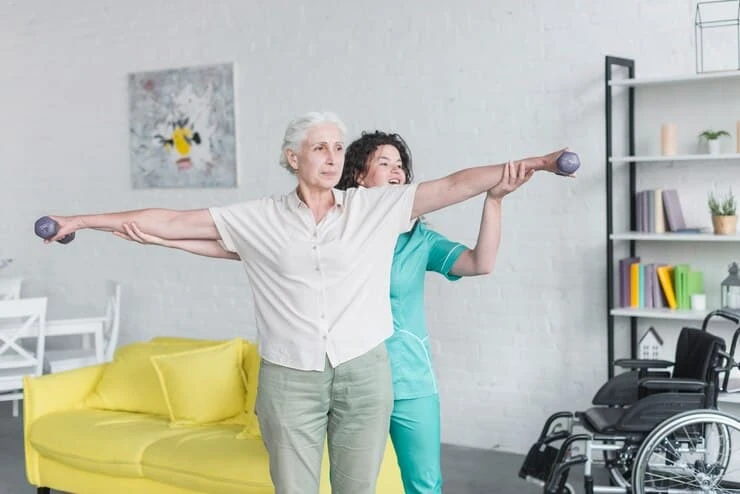
A final example describes an older person recovering from a minor stroke. Companion services ensure medication adherence, assist with mobility practice within the home, and create social connections that support emotional recovery. The in home focus accelerates functional gains while keeping the older person in a comfortable environment where healing is supported by both care and companionship.
Conclusion
Elder companion services delivered in the home are a powerful combination of companionship, practical care, and gentle health oversight that together support aging with dignity and connection. They respond to documented public health concerns about isolation and provide a person centered alternative to more disruptive transitions. This comprehensive guide is written to outperform other resources and equips families with the considerations needed to choose and optimize in home companion care for their loved ones.
For families seeking trusted in home elder companion services, Care Crew Home Care provides compassionate, professional companionship tailored to the needs and routines of each client.



























Sign in to leave a comment.