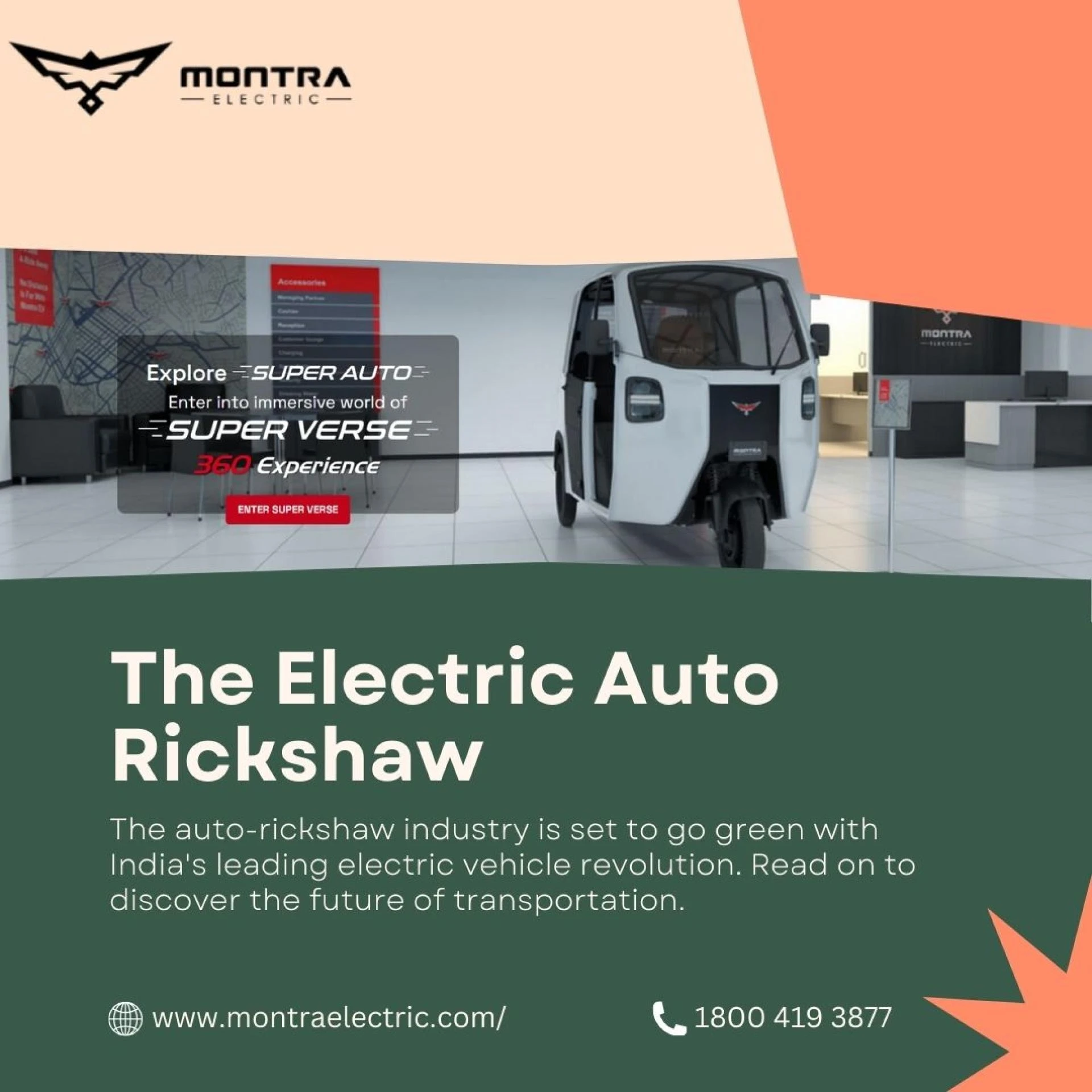

India currently stands at an imperative turn in its transportation story as electric vehicles are gradually gaining prevalence. Electrification has especially been evident in urban transportation, where the electric auto rickshaw emerges as an important and revolutionary element. The eco-auto rickshaws, however, are more than just a substitute for conventional auto rickshaws; they constitute an important resolution to many of the problems associated with urban living, such as air pollution and traffic congestion.
Auto-rickshaws with reduced carbon emissions are not only attractive to drivers and commuters but also in line with broader national objectives towards sustainability why India's electric auto rickshaw revolution is the pioneer of its electric future. They are not mere machines on the road but represent India moving towards a greener future.
The Technology Behind Electric Rickshaws
The electrical auto-rickshaw revolution in India is as innovative as it is important to technological advancements. The heart of these advancements is the evolution of battery technology. These modern electric rickshaws carry lithium-ion batteries, which are well known for their longevity, dense energy, and comparatively short charging periods compared to other previous batteries in the market. This has led to great enhancements in the speed and viability of these vehicles that can now be used as everyday transport in crowded towns.
The charging infrastructure for electric rickshaws is also evolving rapidly. With the Indian government and private sector investing in widespread charging networks, accessibility to charging stations is improving, reducing range anxiety for drivers. The charging time in these stations is speeding up, an important feature for autos that run day and night in commercial use.
The truth is that electric rickshaws are more economical, easy to control, and have no air pollution compared to conventional fuelled ones. It is worth noting that the electric rickshaws have fewer moving parts, thereby lowering wear and tear rates and reducing their upkeep. In addition, they are "refueled" at a lower cost since electricity is cheaper compared to petrol and diesel. They provide a smoother and silent ride, which is different from the noisy combustions of normal rickshaws.
These technological advancements not only make electric rickshaws less expensive for drivers but they also fuel the growing demand for these vehicles among passengers as India is moving towards a green revolution.
Economic Implications
The introduction of electric auto-rickshaws in India has brought forth enormous economic impacts, especially with regard to affordability and wider economics. This transition has been financially beneficial for drivers and fleet owners. However, the higher initial investment is compensated by more affordable running costs compared to standard rickshaws. Compared with petrol or diesel rickshaws, electric rickshaws incur a minimum expense in fuel and maintenance, and thus, the net earnings of drivers and returns on investments for owners are high.
The rising trend of electric rickshaws is impacting the local and national economy positively on a macroeconomic level. Imported oil is reduced by driving these vehicles, thus reducing fuel costs hence balancing the country's trade. Similarly, employment is expanding in the manufacture and upkeep of electric rickshaws along with related areas such as batteries and charging systems.
This transformation has involved a lot of efforts by the Indian government which have been manifested through the enactment of different policies, incentives, and subsidies. The introduction of programs such as FAME has helped to popularize electric rickshaws, among other electric vehicles. These projects involve giving discounts on buying, assistance in the installation of charging stations, and others, thus making economic electric rickshaws. The combination of government support for such initiatives and the economic benefits for individual drivers and the economy as a whole is making it easy for the change of transport paradigm.
Social and Cultural Influence
The social and cultural perceptions of electric vehicles are being changed by electric auto-rickshaws in India. E-rickshaws were initially viewed as uncanny, whereas presently, they have become a trusted and environmentally friendly mode of transportation. Such change is mainly because of electric rickshaws, which are visible with improved urban life through low noise and air pollution.
The switchover from oil-powered rickshaws to electric models has been revolutionary for rickshaw drivers. Drivers' life becomes better with electric rickshaws; the cheaper and less exhaustive mode of transport. This implies that the reduced operating costs translate into increased take-home earnings, something that has significant implications for an otherwise low-earning profession.
Rickshaws have been part of Indian town life as a cultural symbol of cheap and popular mobility. Electric rickshaws maintain this cultural ethos while aligning with modern environmental consciousness. They reflect a blend of tradition and innovation, signaling India's progressive stance in adopting technology for sustainable development. This cultural integration underscores the broader acceptance and success of electric rickshaws in India's social fabric.
Challenges and Future Prospects
Despite the promising trajectory of electric auto-rickshaws in India, several challenges impede their widespread adoption. Key among these is the inadequate charging infrastructure, which can lead to range anxiety for drivers. Additionally, the initial cost of electric rickshaws, despite long-term savings, remains a financial hurdle for many potential buyers.
Looking ahead, the sector is poised for significant advancements. Increased investment in charging infrastructure and battery technology is expected, alongside more favorable financing options. As these improvements materialize, electric rickshaws could become even more prevalent, potentially revolutionizing India's transportation landscape. Their integration into the broader transportation system promises a more sustainable, efficient, and environmentally friendly future, aligning with global green initiatives and India's commitme
nt to reducing carbon emissions.
Conclusion
Electric auto-rickshaws stand at the forefront of India's EV revolution, symbolizing a significant shift towards sustainable urban mobility. Their growing presence highlights a harmonious blend of environmental responsibility, economic viability, and cultural relevance. As we witness this transformative journey, it is crucial for stakeholders, from policymakers to the general public, to support and embrace this change. Continued investment, policy support, and public awareness are key to overcoming existing challenges and unlocking the full potential of electric rickshaws. Let's collectively drive towards a cleaner, greener, and more efficient future, where electric auto rickshaws are not just an alternative but the norm in India's vibrant urban tapestry.



























Sign in to leave a comment.