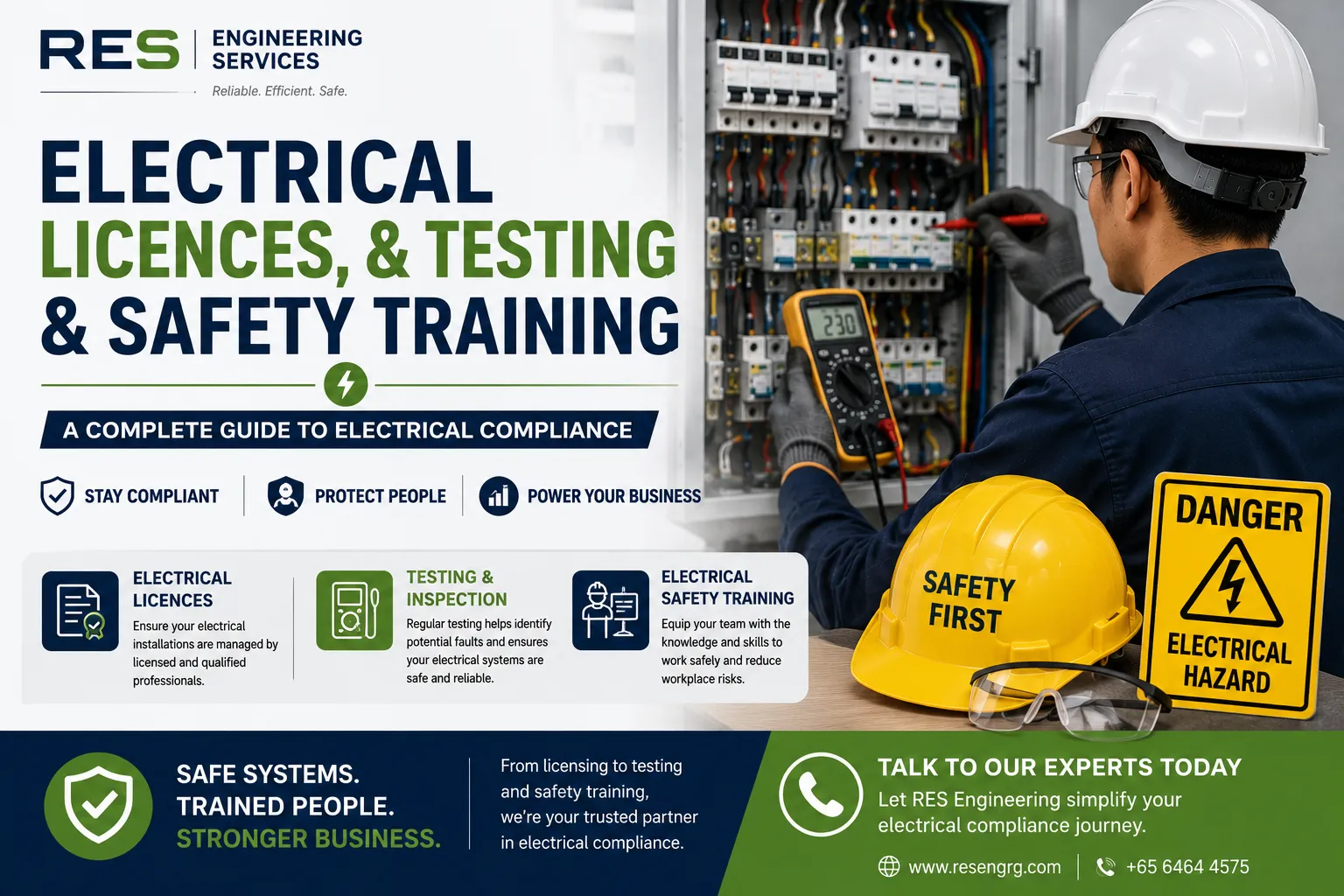

Electrical systems are essential for almost every commercial and industrial business, but managing them safely requires more than simply keeping equipment operational. Businesses also need to consider electrical licensing, inspection and testing, maintenance, workplace safety, and employee awareness.
For many businesses, understanding Electrical Licences, Testing & Safety Training requirements can be challenging. Questions such as Do we need an electrical licence? How often should electrical systems be tested? What type of safety training do employees need? are common.
This guide explains the key areas businesses should consider and provides practical steps to help create a safer and more reliable electrical environment.
What Are Electrical Licences?
Electrical licences help ensure that certain electrical installations and electrical work are managed by appropriately qualified and authorised professionals.
Depending on the type of installation, premises, electrical load, and work being carried out, specific licensing requirements may apply.
For businesses, understanding the applicable requirements is important because incorrect licensing arrangements can create compliance concerns, safety risks, and operational complications.
A professional electrical service provider can help you assess your requirements and identify the appropriate licensing support for your premises.
Why Is Electrical Testing Important?
Electrical testing is an important part of maintaining a safe and reliable electrical system.
Even when an electrical installation appears to be working normally, faults can develop over time because of:
- Equipment ageing
- Damaged cables or connections
- Overloaded circuits
- Loose electrical connections
- Faulty protective devices
- Moisture or environmental conditions
- Equipment modifications
- Poor maintenance
- Changes to the electrical installation
Regular inspection and testing can help identify potential problems before they develop into more serious safety or operational issues.
What Does Electrical Testing Involve?
The exact testing requirements depend on the type of electrical installation and the applicable standards and regulations.
Depending on the circumstances, electrical testing and inspection may involve checking:
- Electrical circuits
- Wiring and connections
- Protective devices
- Earthing and bonding
- Switchboards
- Distribution systems
- Electrical equipment
- Insulation condition
- Safety devices
- Installation documentation
Testing should be performed by suitably qualified professionals using appropriate procedures and equipment.
What Is Electrical Safety Training?
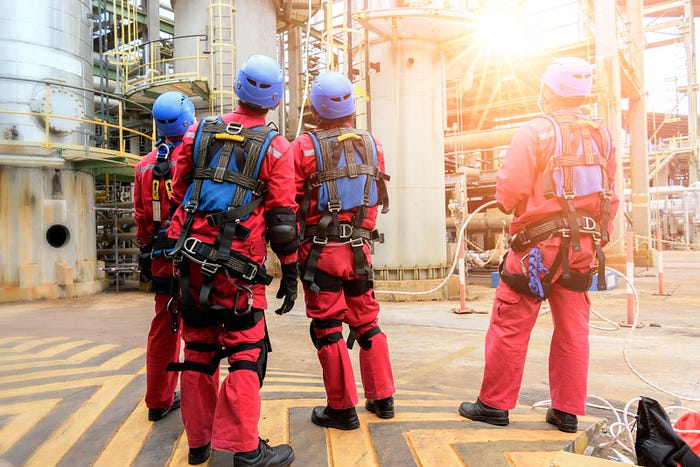
Electrical Safety Training helps employees understand electrical hazards and learn how to work safely around electrical equipment and installations.
Employees do not necessarily need to be electrical specialists to benefit from electrical safety awareness. Office staff, facility teams, maintenance personnel, supervisors, contractors, and other workers may encounter electrical hazards during their daily activities.
Training can help employees recognise hazards and understand when professional assistance is required.
Why Is Electrical Safety Training Important?
Electrical incidents can happen when employees do not recognise hazards or when safe working procedures are not followed.
Effective Electrical Safety Training can help businesses:
- Improve employee awareness
- Identify common electrical hazards
- Promote safer working practices
- Reduce avoidable workplace risks
- Improve emergency awareness
- Encourage proper use of electrical equipment
- Support workplace safety procedures
- Create a stronger safety culture
Training should be relevant to the actual working environment and the responsibilities of employees.
For More Information :- Click Here
Common Electrical Problems Businesses Face
1. Uncertainty About Electrical Licence Requirements
Businesses may not know whether their installation requires an electrical licence or which professional should be responsible for it.
Solution: Start by assessing your premises, electrical installation, approved load, equipment, and intended electrical activities. Professional guidance can help determine the applicable requirements.
2. Electrical Testing Is Delayed
Some businesses only arrange testing after equipment fails or an electrical problem occurs.
Solution: Establish an appropriate inspection and testing schedule based on the installation, equipment, workplace risks, and applicable requirements.
3. Employees Are Not Properly Trained
Employees may know general workplace safety rules but may not understand specific electrical hazards.
Solution: Provide suitable Electrical Safety Training based on employees’ roles and the risks present at the workplace.
4. Electrical Documentation Is Disorganised
Missing inspection records, drawings, certificates, maintenance information, or licensing documentation can make compliance management more difficult.
Solution: Keep electrical records organised, updated, and easily accessible.
5. Electrical Systems Are Modified Without Proper Review
Adding equipment, changing circuits, or expanding a facility can affect the existing electrical installation.
Solution: Have electrical modifications properly assessed and tested before putting the changed installation into normal operation.
How to Improve Electrical Compliance Step by Step
Step 1: Review Your Electrical Installation
Start by understanding your current electrical system, equipment, approved load, premises type, and operational requirements.
Step 2: Check Applicable Licensing Requirements
Determine whether your installation or electrical activities require specific electrical licences or professional supervision.
Step 3: Arrange Professional Inspection and Testing
Have the electrical installation inspected and tested by an appropriately qualified professional.
Step 4: Identify Potential Hazards
Review areas where employees may be exposed to electrical equipment, cables, switchboards, machinery, or other electrical hazards.
Electrical Licences, Testing and Safety Training Work Together
Electrical compliance is not based on one activity alone.
Electrical Licences help address regulatory and professional requirements.
Electrical Testing helps identify potential problems within electrical installations and equipment.
Electrical Safety Training helps employees understand electrical hazards and follow appropriate safe-working practices.
When these areas are managed together, businesses can take a more complete approach to electrical safety and compliance.
Benefits of Professional Electrical Support
Managing electrical requirements internally can be difficult, especially when businesses do not have specialist electrical personnel.
Professional support can help businesses with:
- Electrical licence requirements
- Electrical installation assessments
- Inspection and testing
- Electrical safety reviews
- Compliance documentation
- Licensed Electrical Worker support
- Safety training
- Preventive maintenance planning
- Identification of potential electrical risks
Getting professional advice early can also help businesses avoid unnecessary delays and address potential issues before they become more serious.
Why Choose RES Engineering?
RES Engineering provides electrical engineering and compliance support for businesses in Singapore.
Whether you need assistance with Electrical Licences, Testing & Safety Training, electrical inspection and testing, Licensed Electrical Worker services, or Electrical Safety Training, professional support can help you manage your requirements more effectively.
RES Engineering focuses on practical electrical solutions designed around the specific needs of each business and facility.
Instead of waiting for an electrical problem to affect your operations, businesses can take a proactive approach by reviewing their licensing, testing, maintenance, and employee safety requirements.
Electrical Compliance Checklist
Use this checklist to review your current electrical safety arrangements:
- ✓ Review your electrical installation
- ✓ Confirm applicable electrical licence requirements
- ✓ Arrange appropriate inspection and testing
- ✓ Check electrical equipment and protective devices
- ✓ Review electrical documentation
- ✓ Identify workplace electrical hazards
- ✓ Provide suitable Electrical Safety Training
- ✓ Keep inspection and training records updated
- ✓ Review electrical systems after major changes
- ✓ Schedule regular safety and compliance reviews
Frequently Asked Questions
Do all businesses need an electrical licence?
Not necessarily. Licensing requirements depend on factors such as the type of electrical installation, premises, electrical load, and activities being carried out. Businesses should assess their specific circumstances against the applicable requirements.
Why is electrical testing necessary?
Electrical testing can help identify faults, deterioration, or potential safety issues that may not be visible during normal operation. Regular inspection and testing can support safer and more reliable electrical systems.
Who should carry out electrical testing?
Testing should be performed by an appropriately qualified and competent electrical professional using suitable procedures and equipment.
What does Electrical Safety Training cover?
Training can cover electrical hazards, safe working practices, equipment safety, hazard identification, emergency procedures, isolation practices, and other topics relevant to the workplace.
Who should receive Electrical Safety Training?
Training requirements depend on the workplace and job roles. Employees who work with or around electrical equipment, maintenance teams, supervisors, contractors, and facility personnel may benefit from appropriate electrical safety training.
How often should electrical systems be tested?
The appropriate frequency depends on the installation, equipment, operating environment, risk level, applicable requirements, and previous inspection results. A qualified professional can help determine a suitable testing programme.
Take a Proactive Approach to Electrical Safety
Electrical safety should not be treated as a last-minute compliance task. Proper licensing, regular testing, effective maintenance, and employee awareness can all contribute to a safer and more reliable workplace.
If you are unsure about your Electrical Licences, Testing & Safety Training requirements, professional guidance can help you identify the right next steps.
Need Help With Electrical Licences, Testing or Safety Training?
Contact RES Engineering today to discuss your electrical requirements.
Whether you need support with electrical licensing, inspection and testing, electrical compliance, or Electrical Safety Training, the RES Engineering team can help you find a practical solution suited to your business.



























Sign in to leave a comment.