The demand for aesthetics courses has skyrocketed in recent years, fueled by the booming aesthetics industry and the rising popularity of non-invasive cosmetic procedures. Whether you're a seasoned beauty therapist looking to expand your skill set or a newcomer aspiring to enter the world of aesthetic medicine, enrolling in an aesthetics training course is a transformative step.
This guide explores the core elements of aesthetics courses, from dermal filler training to aesthetic practice, offering you insights into the training, practical skills, and career opportunities they provide.
Why Choose Aesthetics Courses?
Growing Demand in the Aesthetics Industry
The aesthetics industry is thriving, driven by advancements in aesthetic medicine and increased awareness of aesthetic treatments. Services such as dermal filler injections, non-surgical rhinoplasty, and lip filler masterclasses are increasingly sought after, creating ample opportunities for skilled professionals.
Expanding Career Horizons
A career in aesthetics offers flexibility, lucrative earnings, and opportunities to work in a variety of settings, from private clinics to high-end spas. Whether you're interested in opening your own aesthetic practice or enhancing an existing business, an aesthetic training course equips you with the necessary tools.
Types of Aesthetics Courses
1. Dermal Filler Training Courses
Specialized dermal filler training courses focus on administering treatments that restore facial volume and contouring. These courses cover:
- Techniques for cheeks, jawlines, and lips
- Masterclasses like the Lips Masterclass
- Advanced procedures like non-surgical rhinoplasty
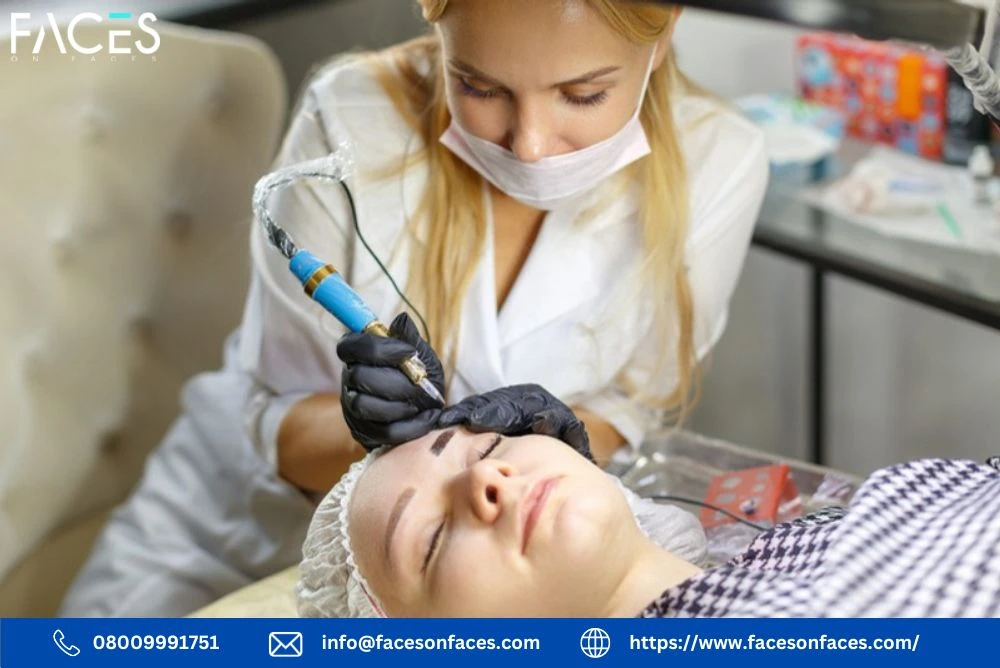
Courses often include practical sessions with live models, providing hands-on experience to build confidence and precision.
2. Botox and Injectable Courses
Complementary to dermal filler training, Botox courses teach the use of botulinum toxin for reducing wrinkles and fine lines.
3. Skincare and Dermaplaning Courses
For professionals aiming to broaden their offerings, a skincare course or dermaplaning course dives into advanced skin treatments that promote a healthy complexion.
4. Laser Tattoo Removal
A laser tattoo removal course introduces learners to cutting-edge technologies for removing unwanted tattoos, a growing niche in the aesthetics industry.
5. Business Courses for Aesthetic Practitioners
Success in the industry requires more than technical skill. A business course tailored for aesthetic practitioners covers marketing, client retention, and financial management.
What to Expect from an Aesthetics Course
Comprehensive Curriculum
An aesthetics course blends theoretical knowledge with practical skills, ensuring learners are fully prepared. Core topics include:
- Level 3 Anatomy and Physiology
- Facial aesthetics and aesthetic medicine
- Injection techniques for filler and Botox
- Skin health and advanced skincare
Practical Sessions with Live Models
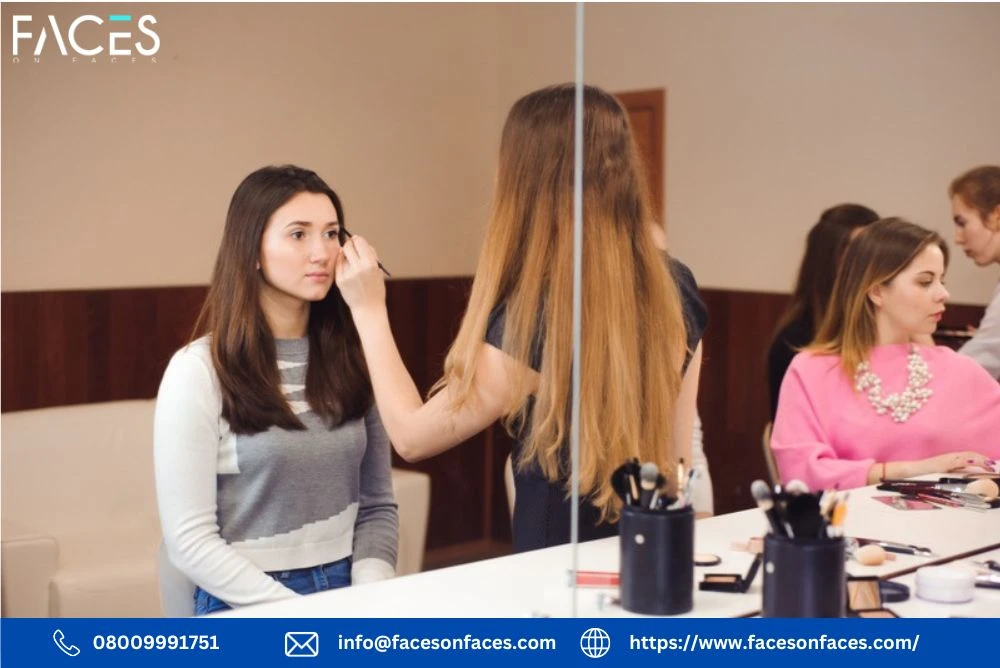
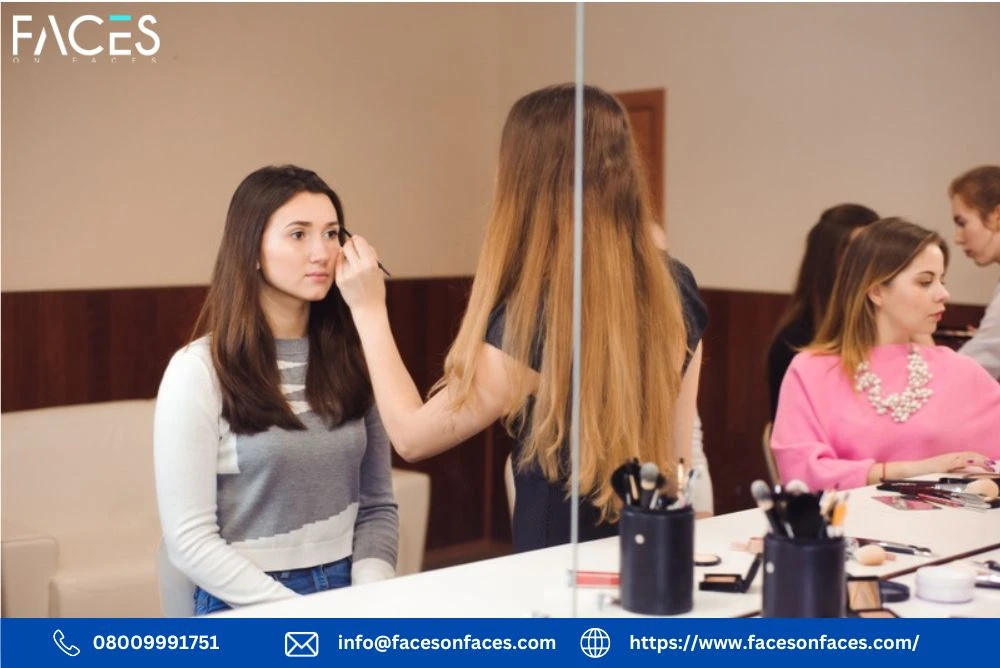
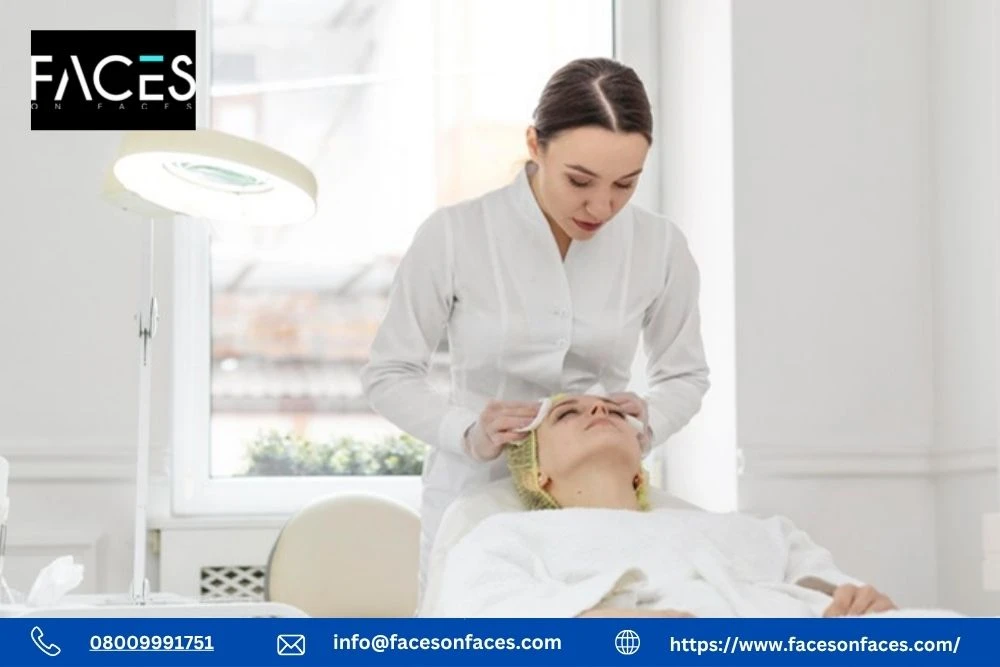
Training academies prioritize hands-on learning. Practical sessions with live models allow students to refine their techniques in a controlled environment.
Flexible Training Locations and Course Duration
Courses are offered in various training locations, making it convenient for students to access high-quality education. Course duration typically ranges from a few days for short courses to several weeks for comprehensive programs.
Key Benefits of Aesthetics Training
1. Enhanced Skills and Knowledge
An aesthetics training course develops technical and interpersonal skills, essential for working in the competitive aesthetics industry.
2. Career Progression
From becoming an independent aesthetic practitioner to managing an aesthetic practice, these courses pave the way for professional growth.
3. Confidence Through Experience
Hands-on training builds confidence, enabling students to deliver safe and effective treatments.
Choosing the Right Aesthetics Training Academy
Accreditation and Requisites
Ensure the academy offers accredited cosmetic courses with clear requisites. Look for programs that provide certifications recognized within the industry.
Range of Courses
Choose an institution offering a wide range of options, from foundational courses to advanced aesthetic training courses like the lip filler masterclass and non-surgical rhinoplasty masterclass.
Student Support
Supportive academies offer guidance, mentorship, and resources to ensure students excel in their chosen path.
Aesthetics Career Paths
Independent Aesthetic Practitioner
Many graduates choose to work independently, providing specialized treatments like dermal filler and Botox.
Employment in Clinics and Spas
Reputable clinics and high-end spas regularly hire trained professionals to offer aesthetic treatments.
Educator or Trainer
Experienced practitioners can transition into teaching, sharing their expertise in aesthetic training courses.
Advancing Your Aesthetics Career
Continued Learning
The field of aesthetic medicine is ever-evolving. Professionals must stay updated through ongoing training and workshops.
Networking
Building relationships within the industry enhances your reputation and opens doors to new opportunities.
Specializations
Consider specializing in advanced procedures, such as dermal filler training or medical aesthetics, to cater to niche markets.
Conclusion: Your Future in Aesthetics
Embarking on an aesthetics course is the first step toward a rewarding career in the flourishing aesthetics industry. With hands-on training, expert guidance, and a focus on both technical and business skills, these courses empower learners to thrive as confident, skilled professionals.
Whether you're passionate about skincare, injectables, or advanced treatments like dermal filler, the right aesthetic training course will provide the knowledge and experience needed to succeed. Take the leap and transform your aspirations into a thriving aesthetics career today.
FAQs
What are the key differences between aesthetics courses and cosmetology courses?
Aesthetics courses focus on advanced skin and non-invasive treatments like dermal fillers and Botox, while cosmetology courses cover a broader range of beauty services, including hair, nails, and makeup.
What are the key factors to consider when choosing aesthetics courses?
Key factors include accreditation, course content, training locations, hands-on practical sessions, student support, and career progression opportunities.
What are the advantages of specializing in specific areas of aesthetics courses?
Specializing in areas like dermal fillers or medical aesthetics allows for niche expertise, higher earning potential, and the ability to cater to specific client needs.
How long do aesthetics courses typically last?
Aesthetics courses can last anywhere from a few days for short courses to several weeks for comprehensive training programs.
What are the most sought-after skills in aesthetics courses?
Skills in dermal filler techniques, Botox administration, advanced skincare, anatomy knowledge, and practical application with live models are highly valued.
Elevate your career with FACES ON FACES, the top aesthetics training academy offering expert aesthetics courses and hands-on dermal filler training.






Sign in to leave a comment.