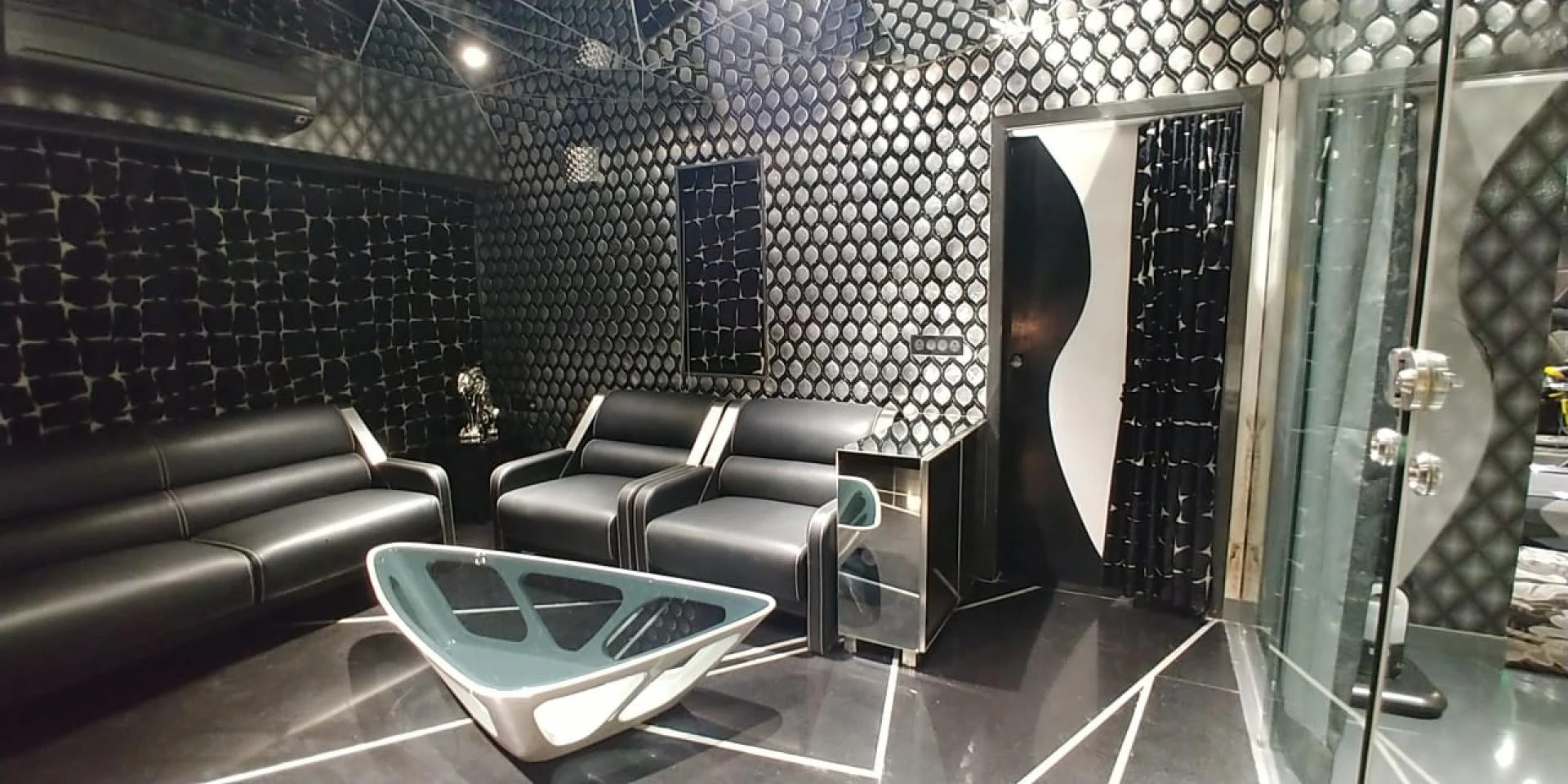

Handmade tiles are celebrated for their distinctive textures and artisanal charm, offering a unique touch that mass-produced tiles simply can’t match. Each handmade tile is crafted with meticulous attention to detail, resulting in surfaces that exhibit a rich, tactile quality and an array of one-of-a-kind textures. Whether used for walls, floors, or accents, handmade tiles bring a personalized, authentic aesthetic to any interior design.
One of the most compelling features of handmade tiles is their texture. Unlike uniform, machine-made tiles, handmade tiles often display a range of tactile surfaces, from gently undulating ridges to intricate, hand-carved patterns. This variability in texture adds depth and character to your space, creating a visually engaging and physically interesting surface. The imperfections and irregularities inherent in handmade tiles are not seen as flaws but rather as features that contribute to their unique charm and authenticity.
The crafting process of handmade tiles allows for a diverse range of textures. For example, some tiles are meticulously hand-glazed, resulting in a smooth, glossy finish that can reflect light beautifully and add a touch of elegance to your decor. Other handmade tiles may feature a more rustic, matte finish, showcasing a tactile, natural quality that enhances a warm and inviting atmosphere. This variety in texture makes handmade tiles suitable for a wide range of design styles, from contemporary and modern to traditional and rustic.
Handmade tiles are available in a plethora of materials, including clay, cement, and stone, each offering its own unique texture and characteristics. Clay tiles, for instance, often feature earthy textures and rich colors that add a touch of warmth and organic beauty. Cement tiles can showcase intricate patterns and a slightly rough surface, making them ideal for creating statement floors or feature walls. Natural stone tiles, such as marble or travertine, offer a luxurious texture and natural variations that bring a timeless elegance to any space.
The color palette for handmade tiles is as varied as their textures. Artisans often use traditional methods and natural pigments, resulting in rich, vibrant hues and unique color variations that can’t be replicated by machine. This allows you to choose tiles that perfectly match your design vision, whether you’re aiming for a subtle, monochromatic scheme or a bold, colorful statement.
In addition to their aesthetic appeal, handmade tiles are prized for their durability and craftsmanship. Each tile is individually made, often using traditional techniques passed down through generations, which ensures a level of quality and attention to detail that mass-produced tiles cannot match. This craftsmanship not only guarantees the longevity of the tiles but also adds a sense of authenticity and heritage to your design.
When incorporating handmade tiles into your space, consider how their texture can enhance the overall design. Textured tiles can add visual and tactile interest to walls and floors, making them perfect for creating focal points or accent areas. The unique imperfections and hand-finished details of handmade tiles can also contribute to a more personalized and bespoke feel, transforming your space into a reflection of your style and personality.
Overall, handmade tiles offer a captivating blend of texture, color, and craftsmanship that can elevate any interior design. Their unique surface qualities and artisanal origins bring a sense of individuality and warmth to your space, creating a timeless and elegant aesthetic that stands out. Embrace the distinctive charm of handmade tiles and discover how their rich textures can enhance the beauty and character of your home.



























Sign in to leave a comment.