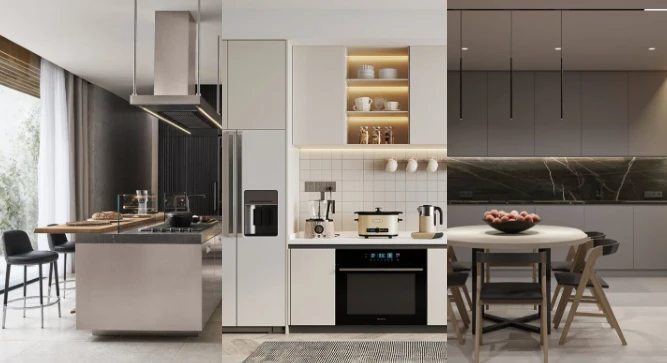

Thoughtful kitchen design is more than aesthetics; it is an investment in functionality, resale value, and daily comfort. Homeowners increasingly prioritize spaces that reflect personal taste while maximizing efficiency. This article explores how custom design kitchens can transform a property, offering practical guidance for those considering an upgrade. It also highlights the role of fitted furniture in achieving a cohesive, streamlined environment.
Why Choose Custom Design Kitchens?
Custom design kitchens allow homeowners to tailor every element to their specific needs. Unlike off-the-shelf solutions, bespoke layouts account for cooking habits, available space, and lifestyle preferences. This bespoke approach ensures optimized storage, ergonomic work triangles, and carefully considered finishes that enhance both form and function.
Optimized workflow: Tailoring countertop heights, appliance placement, and storage solutions creates a more efficient kitchen.
Personalized aesthetics: Custom cabinetry and material selections support a unified visual identity throughout the home.
Long-term value: Well-executed bespoke kitchens often deliver strong returns at resale by appealing to discerning buyers.
Integrating Fitted Furniture for Seamless Design
Fitted furniture plays a pivotal role in realizing the potential of custom kitchens. By incorporating built-in units, homeowners achieve a seamless appearance that maximizes available floor space while reducing visual clutter. Fitted wardrobes, pantry systems, and integrated seating elements complement kitchen cabinetry to create a coherent interior scheme.
Space efficiency: Built-in solutions make the most of awkward nooks and underutilized areas.
Consistent finishes: Matched materials and hardware across rooms provide a unified design language.
Durability and maintenance: Quality fitted furniture is typically engineered for longevity and easier upkeep.
Planning and Prioritizing Functionality
A successful custom kitchen begins with careful planning. Engage with experienced designers or kitchen specialists to develop a layout that balances aesthetics and utility. Key considerations include:
Work triangle optimization: Ensure smooth movement between sink, stove, and refrigerator.
Storage hierarchy: Allocate deep drawers for pots, vertical spaces for trays and baking sheets, and concealed compartments for small appliances.
Lighting strategy: Combine task lighting for work surfaces with ambient and accent lighting to enhance atmosphere.
When planning, integrate fitted furniture where it supports functionality—concealed pantry units, pull-out larders, and integrated appliance housings streamline daily tasks while preserving visual harmony.
Selecting Materials and Finishes
Material choice influences both appearance and performance. Select surfaces that withstand kitchen demands—moisture, heat, and frequent cleaning—without sacrificing style. Popular options include engineered stone for countertops, solid or veneered woods for cabinetry, and durable laminates for high-traffic areas.
Countertops: Choose scratch- and stain-resistant materials for long-term resilience.
Cabinetry: Opt for robust construction methods and finishes that align with the overall design.
Hardware: Quality handles and hinges elevate the user experience and longevity.
Matching these selections with fitted furniture ensures a consistent finish throughout adjacent rooms, reinforcing the overall design intent.
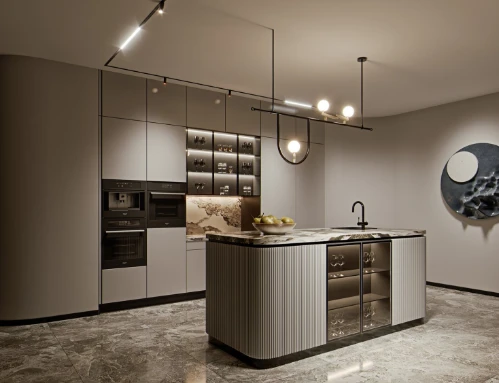
Maximizing Return on Investment
Investing in custom design kitchens often yields measurable returns. Prospective buyers frequently value thoughtfully designed kitchens that offer practical storage and contemporary finishes. To maximize ROI:
- Focus on timeless design choices rather than short-lived trends.
- Prioritize quality workmanship and reputable materials.
- Ensure the kitchen integrates effectively with the home’s overall style.
Additionally, incorporating fitted furniture into adjacent living spaces can further enhance perceived value by presenting a cohesive, well-crafted interior.
Working with Professionals
Collaborating with qualified designers, joiners, and installers reduces risk and improves outcomes. Professionals provide technical expertise—such as load-bearing considerations, building regulations, and precise measurements—that are essential for custom installations. Seek suppliers who offer clear warranties, transparent pricing, and a portfolio of completed projects.
Consultation: Begin with a detailed brief and site survey.
Design development: Review mood boards, layouts, and material samples.
Installation and aftercare: Confirm timelines, quality checks, and maintenance guidance.
Conclusion
Custom design kitchens represent a strategic blend of personalization, functionality, and value enhancement. When combined with well-executed fitted furniture, they create coherent, efficient spaces that cater to modern living standards and long-term investment goals. Careful planning, material selection, and collaboration with skilled professionals will ensure the finished kitchen meets both daily needs and aesthetic aspirations.



























Sign in to leave a comment.