
In the realm of semiconductor verification, the Portable Test and Stimulus Standard (PSS) has emerged as a transformative force, offering a standardized methodology for describing and reusing test scenarios across diverse verification platforms. As the industry recognizes the pivotal role of PSS in enhancing test portability and reusability, there is a significant surge in the development and refinement of tools that seamlessly integrate and optimize the utilization of this standard.
The Pivotal Role of Simulation Tools:
At the forefront of PSS tool support are simulation tools. These tools act as the workhorses, interpreting abstract test scenarios described in PSS and executing them on various verification platforms. PSS empowers verification engineers to create portable test scenarios, and simulation tools, specifically designed to understand and simulate PSS descriptions, ensure the smooth execution of these scenarios across different environments.
Leading Electronic Design Automation (EDA) companies are actively investing in simulation tools that align with PSS principles. These tools not only interpret abstract scenarios efficiently but also provide an interface for engineers to visualize and analyze the behavior of complex test scenarios, facilitating comprehensive verification.
Navigating Challenges with Debuggers:
Effective debugging is paramount in the verification process, and PSS-aware debuggers have become indispensable. As engineers craft intricate test scenarios, debuggers tailored for PSS aid in the identification and resolution of issues. PSS-aware debuggers provide insights into the execution flow of abstract scenarios, offering a deeper understanding of system behavior during verification.
The development of PSS-aware debuggers marks a crucial step in ensuring a robust verification flow. These tools enable engineers to navigate through the complex web of test scenarios, facilitating a more efficient and targeted debugging process.
Beyond Simulation: A Comprehensive Ecosystem Approach:
The verification ecosystem is not limited to simulation and debugging tools; it encompasses a spectrum of components, including formal verification tools, coverage analysis tools, and emulation platforms. The development and enhancement of these components to seamlessly integrate with PSS are pivotal for establishing a comprehensive and efficient verification flow.
Coverage analysis tools adapted to PSS aid in ensuring that test scenarios cover the design space comprehensively. Formal verification tools are evolving to work with abstract scenarios described in PSS, offering a formalized and mathematical approach to system verification. Emulation platforms are also adapting to support PSS, allowing for accelerated verification cycles on high-performance emulators.
The PSS Compiler: Bridging Abstraction and Execution:
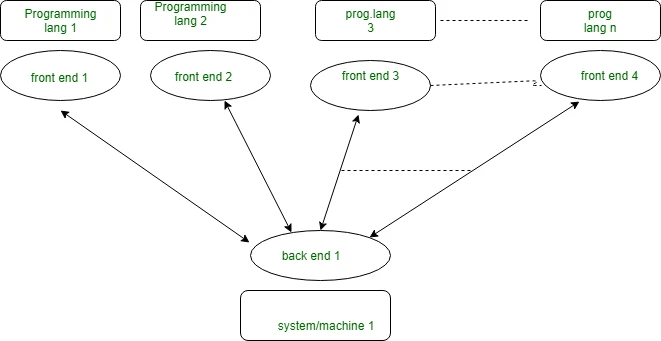
Central to the success of PSS implementation is the PSS compiler. This critical component bridges the abstraction provided by PSS with the specific requirements of simulation tools, debuggers, and other verification ecosystem components. The PSS compiler translates high-level descriptions of test scenarios into executable code tailored for the target verification platform.
The PSS compiler is the linchpin that ensures the promised portability of PSS is maintained. By allowing engineers to describe test scenarios once in the PSS language and then compiling them for different tools and platforms, it streamlines the verification workflow and mitigates the risk of errors during the migration of tests between diverse environments.
Addressing Challenges Collaboratively:
While the development of PSS-supportive tools is making significant strides, challenges such as interoperability between tools, consistency across simulation and emulation, and comprehensive coverage analysis persist. The industry is actively engaged in collaborative efforts, exemplified by initiatives like the PSS Interoperability Working Group. These initiatives aim to establish guidelines and best practices for tool developers, ensuring a seamless experience for users across various verification tools.
Looking Forward:
As tool support for PSS continues to evolve, the semiconductor industry is poised for a paradigm shift in verification methodologies. The ongoing refinement of simulation tools, debuggers, and the broader verification ecosystem reflects a commitment to enhancing the overall efficiency and effectiveness of the verification process.
Investing in tools that effectively support PSS is not merely an operational necessity but a strategic move for semiconductor companies. As PSS becomes increasingly integral to verification workflows, the industry's collective effort in tool development is steering towards a future where semiconductor verification is characterized by heightened flexibility, adaptability, and streamlined processes.
You can read more here: https://www.tumblr.com/amitchauhanwrites/735941585461788672/advancements-in-tool-support-for-portable-test-and?source=share









Sign in to leave a comment.