

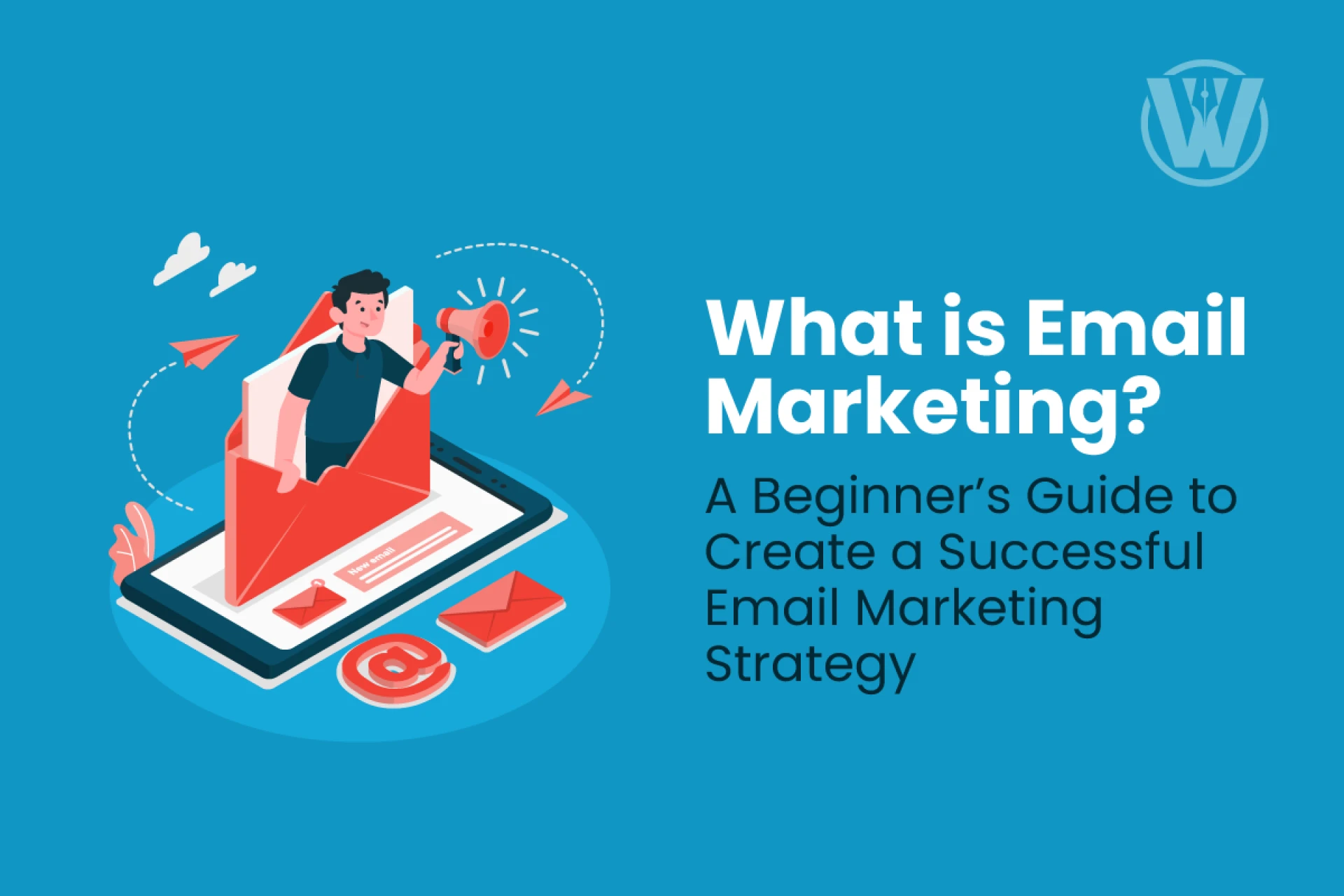
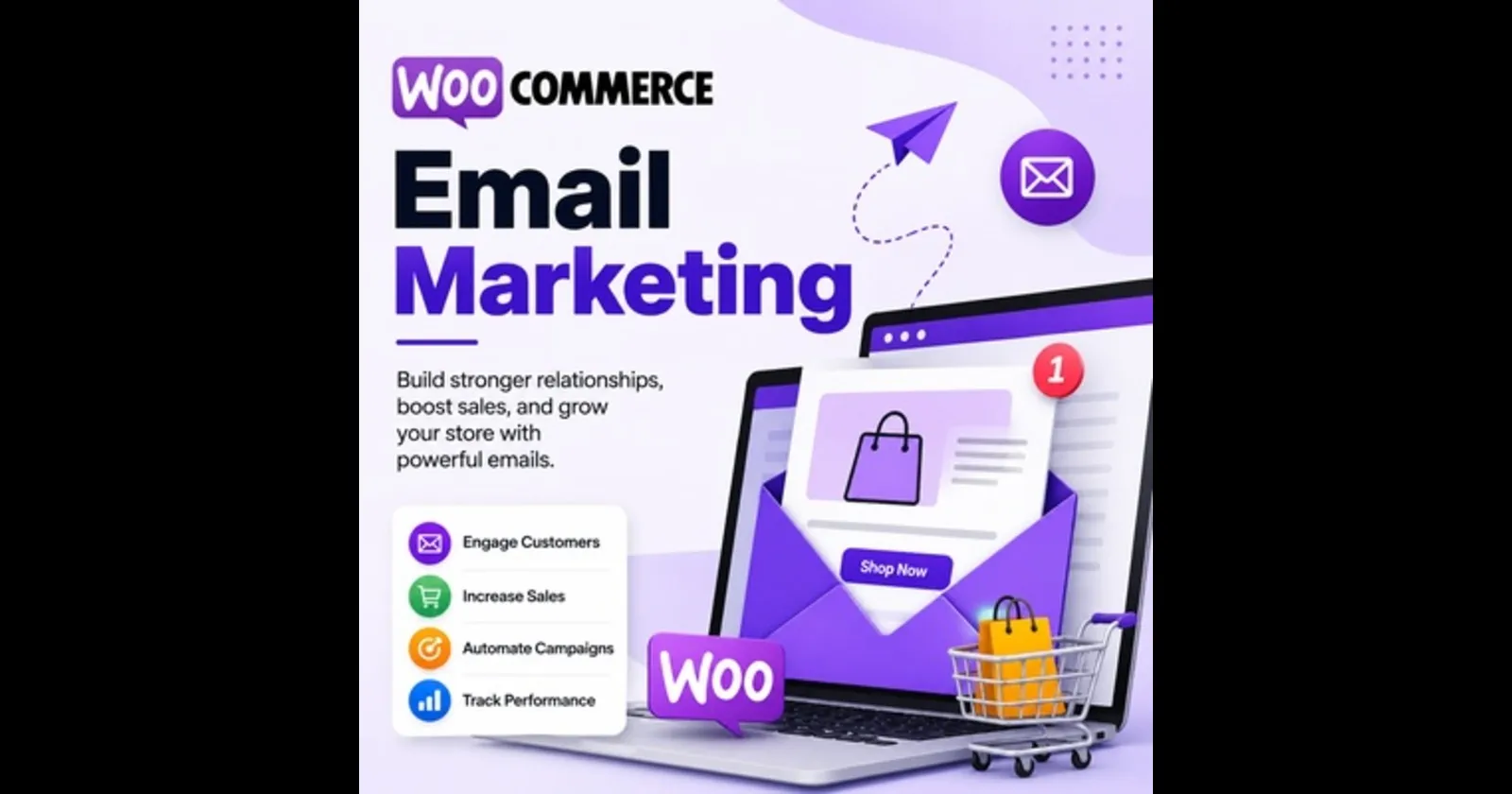
Building meaningful customer relationships takes consistent communication, and email marketing services can give businesses a direct way to stay connected with their audience. Unlike channels where businesses compete for attention in crowded feeds, email provides an opportunity to reach people who have chosen to hear from your brand. With useful, relevant, and well-timed messages, businesses can keep customers informed while creating stronger connections over time.
Well-planned email campaigns can support customer education, relationship building, lead nurturing, announcements, and repeat engagement. However, effective email marketing requires more than sending messages regularly. It involves understanding your audience, creating useful content, maintaining a consistent brand voice, and giving subscribers a reason to continue opening your emails.
Why Email Marketing Matters for Businesses
People receive countless marketing messages every day, so businesses need to provide genuine value to stand out. A useful email might answer a customer question, share helpful information, introduce a new service, highlight an important update, or provide relevant recommendations.
Email can also help businesses stay connected with customers between purchases or interactions. A thoughtful communication strategy keeps your brand familiar without overwhelming subscribers.
Another advantage is flexibility. Different audiences can receive different messages based on their interests, previous interactions, or stage in the customer journey. This allows businesses to make communication more relevant instead of sending identical messages to everyone.
Start With a Clear Audience Strategy
One of the first steps in creating effective email communication is understanding who you are speaking to. A business may have prospective customers, existing customers, long-term clients, and people who have only recently discovered the brand.
Each group may need different information.
For example, someone who has just subscribed may benefit from introductory content that explains what the business offers. An existing customer may be more interested in helpful resources, updates, or information related to their previous interaction.
Organizing subscribers into appropriate groups can make your campaigns more relevant and improve the overall customer experience.
Create Content People Want to Read
The quality of your message has a major influence on whether subscribers continue engaging with your emails. Every campaign should have a clear purpose and communicate that purpose quickly.
Strong email content is generally:
- Relevant to the recipient
- Easy to understand
- Focused on one primary message
- Helpful rather than overly promotional
- Consistent with the brand
- Easy to read on different devices
Subject lines also deserve careful attention. They should accurately represent the email while giving readers a clear reason to open it. Avoid misleading wording simply to increase opens, as this can reduce trust over time.
The body of the email should then deliver on the expectation created by the subject line.
Use Email Throughout the Customer Journey
Email can support several stages of the customer relationship. Businesses can use welcome messages to introduce new subscribers, educational emails to build familiarity, and follow-up communication to maintain engagement.
For businesses with longer decision-making processes, email can be particularly useful for nurturing potential customers. Instead of repeatedly asking for a sale, businesses can provide information that helps prospects understand their options and make informed decisions.
Existing customers can also receive useful updates, educational resources, company news, or reminders that encourage continued engagement.
Measure What Is Working
Sending an email is only part of the process. Reviewing performance can help businesses understand what their audience responds to and where improvements may be needed.
Important measurements can include open rates, click-through rates, conversions, unsubscribe rates, and engagement trends. These metrics should be considered alongside the campaign's actual objective.
For example, if the goal is to encourage people to visit a particular service page, clicks and resulting actions may be more meaningful than simply measuring how many people opened the email.
Testing different subject lines, content formats, calls to action, and sending approaches can also provide useful insights. Over time, these lessons can help businesses develop more effective communication.
Avoid Common Email Marketing Mistakes
Even a well-designed campaign can lose effectiveness when businesses overlook basic email practices. Sending too frequently can frustrate subscribers, while sending too rarely may cause people to forget the brand.
Other common problems include unclear messaging, excessive promotional content, poor mobile formatting, weak calls to action, and sending irrelevant information to the wrong audience.
Permission and subscriber preferences should also be respected. Businesses should make it easy for people to manage their email preferences or unsubscribe when they no longer want communication.
Trust is an important part of any long-term marketing relationship.
Make Every Message More Purposeful
Effective email marketing services are not simply about creating attractive newsletters. They involve developing a communication strategy that connects business objectives with audience needs.
When email is planned carefully, each campaign can serve a specific role. One message may educate, another may nurture a prospect, while another may strengthen an existing customer relationship. Together, these communications can create a more consistent experience.
The strongest programs also evolve. Audience preferences change, businesses introduce new services, and marketing objectives develop over time. Regular evaluation helps ensure your email strategy remains useful and relevant.
Turn Email Into a Valuable Marketing Channel
Email works best when businesses treat subscribers as people rather than simply as contacts on a list. Useful information, thoughtful timing, clear communication, and relevant messaging can create stronger relationships and encourage continued engagement.
If your business wants to build a more organized and purposeful email strategy, professional email marketing services can provide the planning, content direction, audience approach, and performance insights needed to move forward.
Ready to make your email communication more effective? Contact TLC Marketing Consultants today to discuss your marketing goals and discover a practical strategy for connecting with your audience.






















Sign in to leave a comment.