

Email is still one of the simplest ways for a business to stay connected with customers. But sending emails one by one, keeping track of subscribers, and checking every campaign manually can quickly become a headache.
That’s where the right email marketing software can help. For businesses looking for email marketing software for marketers, the right platform can make it easier to manage contacts, automate campaigns, monitor performance, and keep communication organised.
Modern marketers need more than email sending software. They need a system to organise contacts, automate repetitive work, track results and help them deliver the right message to the right people.
Whether you are running an online store, a growing startup, or an established business, the right email marketing platform can make your daily marketing efforts so much simpler. Let’s see what it should provide and how to select one without over-complicating things.
What Is Email Marketing Software?
Email marketing software is a tool that help you develop, send, manage, and measure your email campaigns.
Instead than creating each email separately and keeping consumer data in several spreadsheets, marketers may do much of this work in one place.
Create newsletters, send promotional emails, welcome new subscribers, segment your audience, and watch how people respond to your efforts.
If your organization sends emails on a regular basis, email marketing software may save marketers hours of repetitive tasks. What's more, marketers acquire important information into what their consumer really enjoys.
Key Features of Good Email Marketing Software
A useful platform should make email marketing easier, not harder.
One important feature is an easy email editor. You shouldn’t need to know how to code to create a clean-looking email. Drag-and-drop editors and ready-made templates can make campaign creation much faster.
Contact management is another big one. Your software should help you organise subscribers and create groups based on factors such as interests, location, purchase history, or previous email activity.
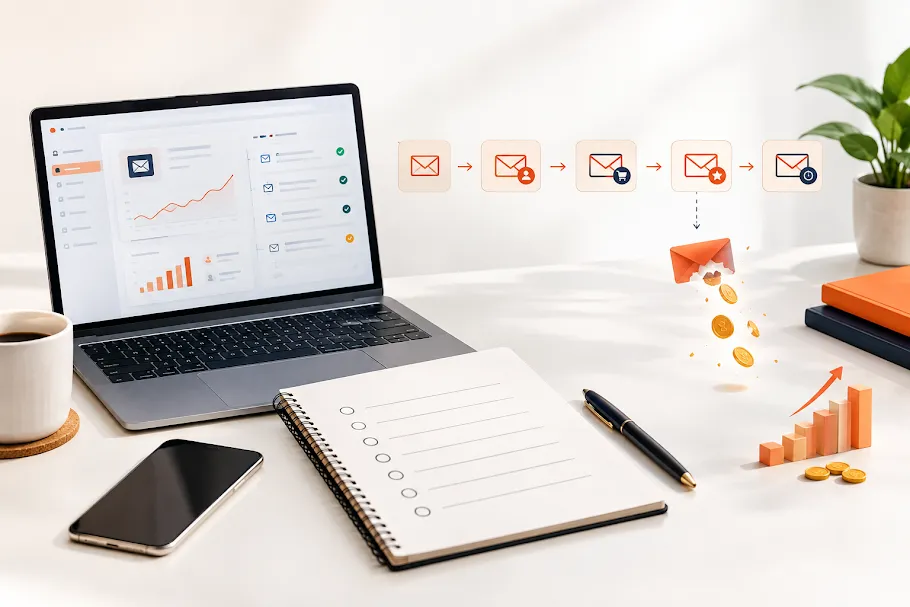
Automation is important too. You can create emails to be sent automatically when someone subscribes to your list, abandons a shopping cart, makes a purchase, or becomes inactive.
Analytics tell you what happened after you clicked "send". You can see open rates, clicks, conversions, unsubscribes and other useful figures. These details will help you figure out what to improve for the next campaign.
Mobile-friendly emails are important, too. Many people check their inboxes on their phones, so make sure your emails look good on small screens.
Analytics help you understand what happened after you pressed "send". You can check open rates, clicks, conversions, unsubscribes, and other useful numbers. These details help you figure out what to improve in your next campaign.
Mobile-friendly emails matter too. Many people check their inboxes on their phones, so your emails need to look good on smaller screens.
How Email Marketing Software Can Help Businesses
The greatest benefit is just this: it saves time.
A marketer can plan out several campaigns ahead of time and let automation handle the repetitive tasks. That means more time to write better content, understand customers, and plan new campaigns.
It can also help businesses send more relevant messages.
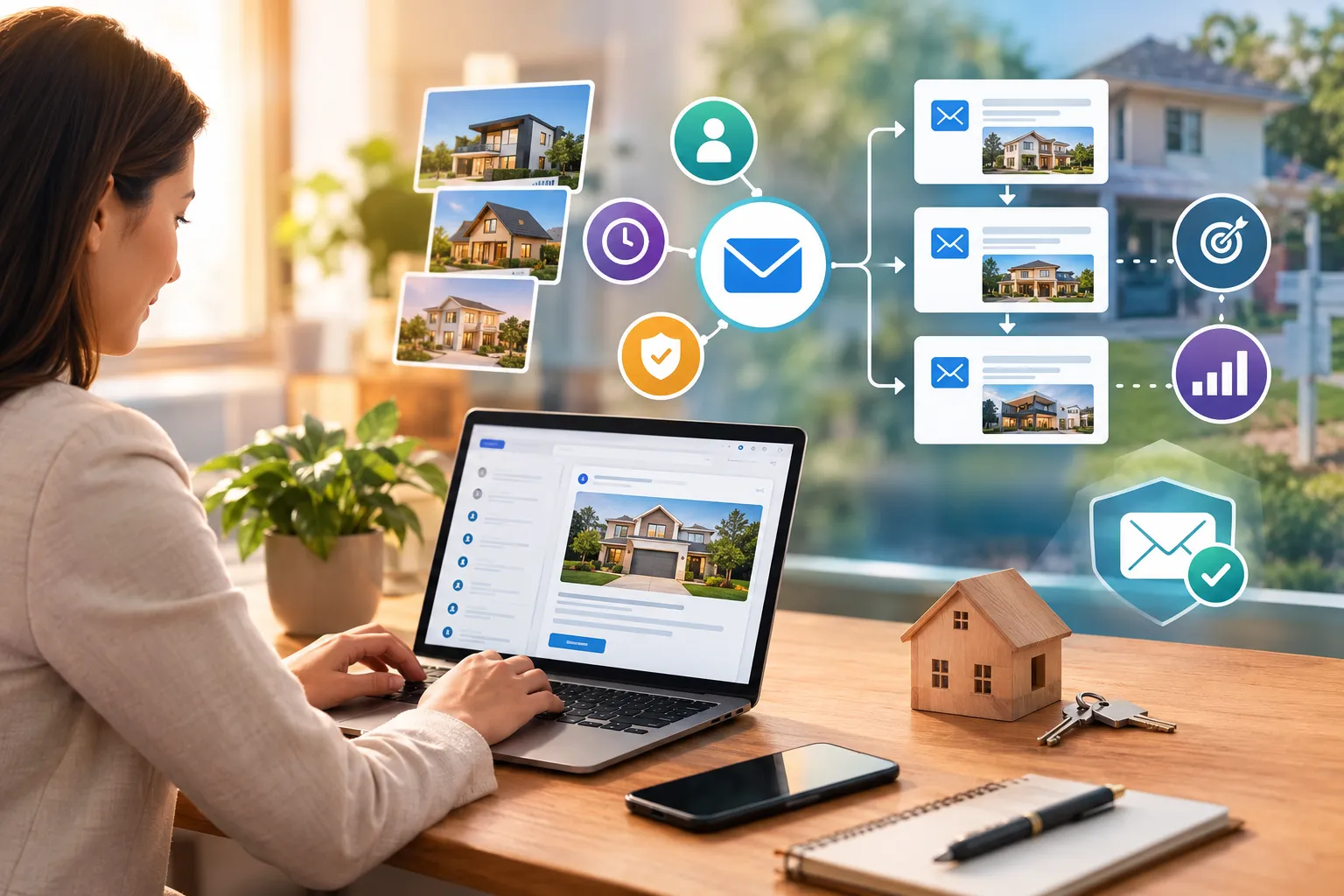
An online clothing store, for example, doesn’t need to send the same email to a person who just bought running shoes as it does to someone who only browses women’s clothing. Customer data can help the business make better suggestions.
This is especially helpful if you’re using e-commerce email marketing techniques. Businesses can send reminders for abandoned carts, order updates, product suggestions, new-arrival emails and special offers, based on customer activity.
Startups can learn, too. Email marketing for startups enables a small team to build customer relationships without a large marketing department. A good welcome series, newsletter, or product update can keep potential customers engaged while the business grows.
Common Mistakes to Avoid
One common mistake is sending too many emails. Just because you can send five emails a week doesn’t mean you should.
Another mistake is sending the same message to everyone. People have different interests, so basic audience segmentation can make your emails much more useful.
Ignoring mobile users is another easy mistake. Always check how your email looks on a phone before sending it.
Don’t focus only on open rates either. An email can get plenty of opens and still generate very few sales, sign-ups, or clicks. Look at the numbers that connect to your actual business goals.
And don’t forget about inactive subscribers. Regularly cleaning your email list can help keep your campaigns healthier and more relevant.
Conclusion
If you’re running an e-commerce brand, building a startup, or managing marketing for an established company, spend some time choosing a platform that fits the way you work. TruSend can help businesses simplify email campaign management and stay organised as their marketing needs grow.
Once you’ve got the basic setup, your email campaigns can run in the background, leaving you to focus on the bigger picture.























Sign in to leave a comment.