
Introduction
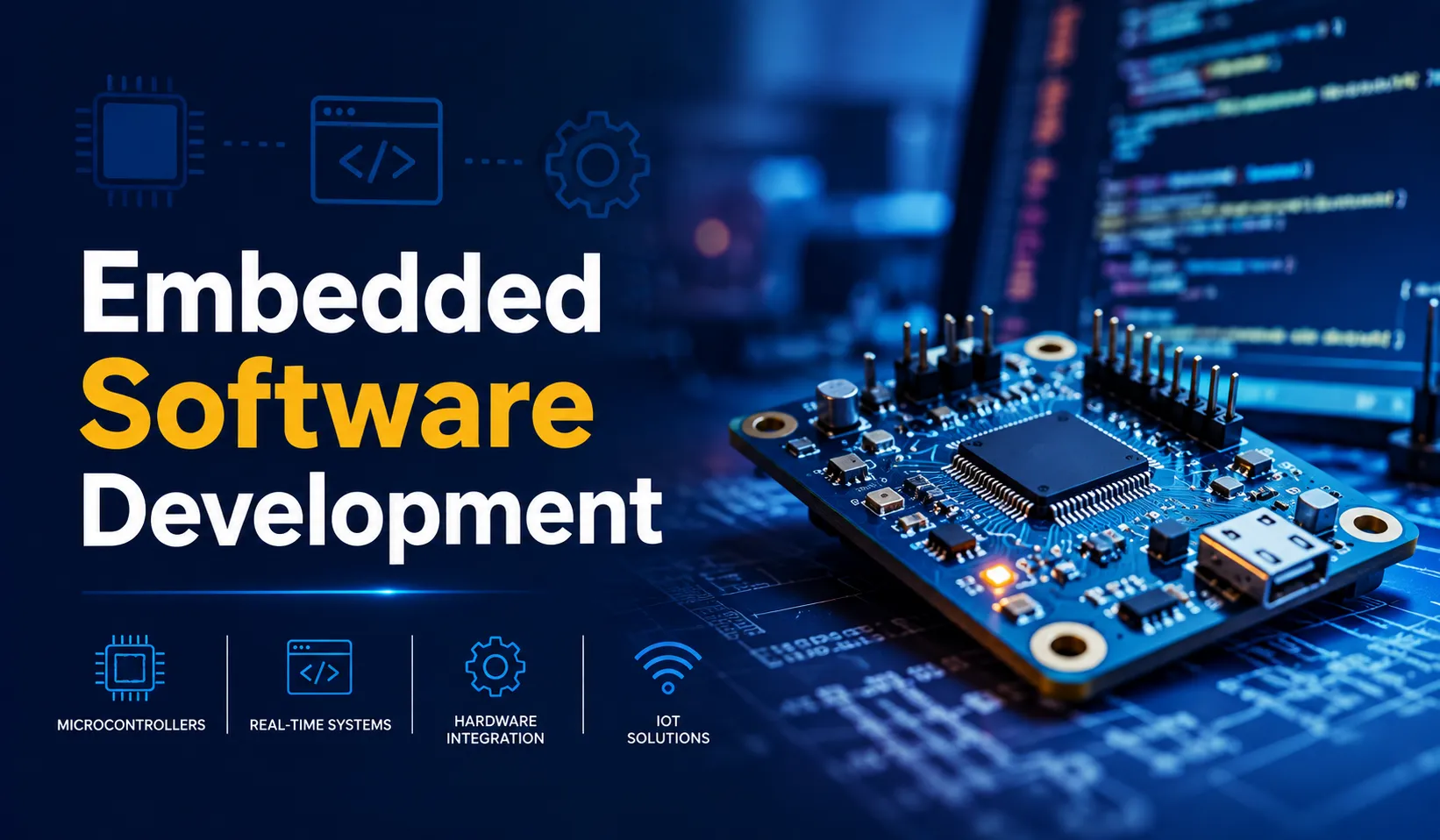
Embedded software has become the foundation of modern smart devices, enabling everything from consumer electronics and automotive systems to industrial automation and healthcare equipment. Unlike traditional software that runs on general-purpose computers, embedded software is specifically designed to operate dedicated hardware, ensuring reliability, efficiency, and real-time performance. As connected devices and IoT ecosystems continue to expand, businesses are increasingly investing in embedded software development to build intelligent products that offer improved functionality, enhanced user experiences, and seamless connectivity. Whether it's powering wearable devices, medical equipment, or smart home appliances, embedded software plays a crucial role in delivering reliable and secure operations. This guide explores embedded software development, its benefits, development process, applications, challenges, and the factors that influence development costs.
What is Embedded Software Development?
Embedded software development is the process of designing, developing, testing, and maintaining software that operates dedicated hardware devices or embedded systems. Unlike desktop or mobile applications, embedded software is built to perform specific functions with minimal resource consumption while meeting strict performance and reliability requirements.
Embedded software communicates directly with hardware components such as processors, sensors, memory, and communication modules. It enables devices to perform automated tasks, process real-time data, and interact efficiently with users or connected systems.
Benefits of Embedded Software Development
Improved Device Performance
Embedded software is optimized for specific hardware, enabling devices to operate faster, consume less power, and perform tasks more efficiently.
Real-Time Processing
Many embedded systems require instant responses to changing conditions. Embedded software enables real-time data processing, making it suitable for automotive systems, industrial machinery, and healthcare devices.
Enhanced Reliability
Since embedded applications are designed for dedicated hardware, they offer high stability and consistent performance even under demanding operating conditions.
Better Security
Modern embedded software incorporates advanced security features such as encrypted communication, secure boot, and firmware protection to safeguard sensitive data and connected devices.
Scalability and Flexibility
Well-designed embedded software supports future upgrades, feature enhancements, and integration with cloud platforms and IoT ecosystems, allowing businesses to scale their products as technology evolves.
Embedded Software Development Process
Requirement Analysis
The development process begins by identifying business objectives, hardware specifications, system functionality, compliance requirements, and performance expectations.
System Design
Developers create the software architecture, define communication protocols, select operating systems, and establish hardware-software interactions.
Software Development
The development team writes optimized code using programming languages such as C, C++, Python, or Rust, depending on project requirements and hardware capabilities.
Testing and Validation
Comprehensive testing ensures the software functions correctly under different operating conditions. Functional testing, performance testing, integration testing, and security testing help identify and resolve issues before deployment.
Deployment and Maintenance
Once deployed, embedded software requires regular firmware updates, security patches, performance improvements, and feature enhancements to ensure long-term reliability.
Applications of Embedded Software Development
Embedded software powers a wide range of industries and smart devices.
Automotive Systems
Modern vehicles use embedded software for engine management, advanced driver assistance systems (ADAS), infotainment, navigation, and electric vehicle control systems.
Healthcare Devices
Medical equipment such as patient monitors, wearable health trackers, infusion pumps, and diagnostic systems rely on embedded software for accurate operation.
Consumer Electronics
Smart TVs, washing machines, refrigerators, cameras, gaming consoles, and wearable devices all use embedded software to deliver intelligent functionality.
Industrial Automation
Manufacturing facilities use embedded systems to control robotics, production equipment, sensors, and monitoring systems that improve operational efficiency.
Internet of Things (IoT)
Embedded software enables smart homes, connected factories, smart cities, and industrial IoT solutions by allowing devices to communicate and exchange data in real time.
Factors Affecting Embedded Software Development Cost
The cost of embedded software development depends on multiple factors, including hardware complexity, software functionality, operating system selection, communication protocols, security requirements, regulatory compliance, and third-party integrations.
Additional factors such as cloud connectivity, IoT integration, AI capabilities, custom firmware development, testing requirements, and post-launch maintenance also influence the overall project investment. Businesses should define their technical requirements and long-term goals before estimating development costs.
Challenges in Embedded Software Development
Developing embedded software comes with several technical challenges. Limited hardware resources often require highly optimized code, while real-time applications demand low latency and reliable performance. Hardware compatibility, security vulnerabilities, firmware updates, and regulatory compliance can further increase development complexity.
Businesses also need to ensure seamless integration between hardware and software while maintaining scalability for future product enhancements. Partnering with an experienced embedded software development company helps reduce technical risks and accelerate product delivery.
Future Trends in Embedded Software Development
The future of embedded software development is driven by advancements in artificial intelligence, edge computing, 5G connectivity, and IoT technologies. AI-enabled embedded systems are becoming smarter by processing data locally, reducing latency, and improving real-time decision-making. Low-power processors, cloud-connected devices, cybersecurity enhancements, and predictive maintenance solutions are also transforming embedded systems across industries. As demand for intelligent connected devices continues to grow, embedded software will remain a key driver of digital innovation.
Why Choose BigDataCentric?
BigDataCentric specializes in developing secure, scalable, and high-performance embedded software solutions tailored to diverse business needs. Our experienced engineers combine expertise in embedded systems, IoT, AI, and cloud technologies to build reliable software for connected devices across industries. From firmware development and hardware integration to testing, optimization, and ongoing support, we deliver end-to-end solutions that ensure exceptional performance, security, and long-term scalability. With an agile development approach and a strong commitment to quality, BigDataCentric helps businesses accelerate innovation and bring smarter products to market.
Conclusion
Embedded software development is at the heart of today's intelligent devices, enabling seamless communication between hardware and software while delivering reliable, secure, and efficient performance. From automotive systems and healthcare devices to industrial automation and IoT solutions, embedded software powers the technologies that shape our connected world. As businesses continue to adopt smart devices and digital transformation strategies, investing in embedded software development provides a competitive advantage through improved performance, enhanced security, and future-ready innovation. Choosing the right development partner ensures the successful delivery of scalable embedded solutions that support long-term business growth.



















Sign in to leave a comment.