
Introduction
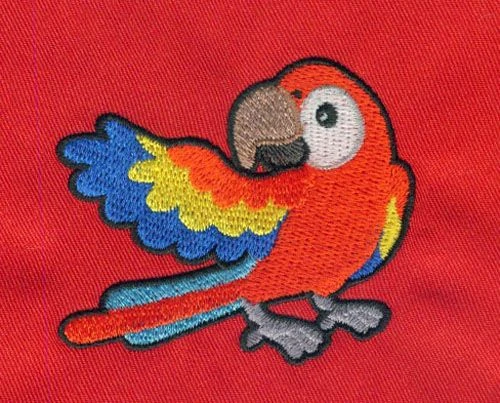
Embroidery digitizing services is a critical process that transforms your artwork, logos, or designs into a machine-readable file, enabling embroidery machines to stitch your designs onto fabric with precision and consistency. Whether you are a business looking to brand your products, a designer creating personalized items, or a hobbyist exploring custom embroidery, digitizing services serve as the bridge between creativity and flawless machine embroidery.
This article delves deep into the concept of embroidery digitizing, explaining why it is essential, how the process works, its benefits, challenges, and how to select the right digitizing service provider. By understanding this process, you can ensure your embroidery projects are professional, visually appealing, and of the highest quality.
What Is Embroidery Digitizing?
Embroidery digitizing is the process of converting artwork into stitch files that embroidery machines can read. These files contain precise instructions about stitch placement, type, density, and thread colors, guiding the machine to reproduce the design accurately.
Unlike hand embroidery, which is manual and time-consuming, digitizing automates embroidery production, making it suitable for both single custom pieces and large-scale manufacturing.
How Does Embroidery Digitizing Work?
Step 1: Artwork Submission
The process begins when you submit your design to a digitizing expert or service. This artwork can be in vector formats like AI, EPS, or PDF, or high-resolution images such as PNG or JPEG.
Step 2: Design Analysis
The digitizer analyzes the design’s complexity, color palette, and fabric type to plan an appropriate stitching approach.
Step 3: Stitch Path Creation
Using advanced digitizing software like Wilcom, Hatch, or Embird, the digitizer traces the artwork and converts it into stitch paths. Each area is assigned a stitch type, such as satin, fill, or running stitches, based on its appearance and fabric compatibility.
Step 4: Thread Color Matching
Thread colors are meticulously matched to your design using standardized color charts from manufacturers like Madeira or Gutermann, ensuring the embroidery’s colors closely resemble your original artwork.
Step 5: Sample Stitch-Out and Adjustment
A test stitch is made on fabric to verify the design’s accuracy, stitch quality, and thread color. The digitizer then adjusts any issues detected during the sample phase.
Step 6: Final File Delivery
Once finalized, the digitized file is delivered in formats compatible with embroidery machines, such as DST, PES, or EXP, ready for production.
Benefits of Embroidery Digitizing
Precision and Consistency
Digitizing ensures that every detail of your design is preserved and accurately reproduced, resulting in sharp, professional embroidery.
Efficiency in Production
Digitized files can be reused multiple times, significantly reducing the setup time for bulk orders and increasing productivity.
Cost-Effective
Automated embroidery reduces manual labor and errors, lowering overall production costs.
Flexibility in Design
Digitizing supports complex designs with multiple colors, gradients, and fine details that would be difficult to achieve manually.
Common Challenges in Embroidery Digitizing
Managing Complex Designs
Highly detailed designs may require simplification or modification to suit embroidery limitations without compromising aesthetics.
Stitch Density Optimization
Incorrect stitch density can cause fabric puckering or gaps in the embroidery. It is essential to balance stitch density based on fabric type and design requirements.
Accurate Thread Color Matching
Mismatched thread colors can alter the design’s look. Using proper color charts and samples ensures the embroidered colors are as intended.
How to Choose the Right Embroidery Digitizing Service
Evaluate Experience and Portfolio
Choose providers with proven experience and a portfolio demonstrating high-quality digitizing across various design complexities.
Customer Support and Revisions
Opt for services offering multiple revisions and responsive customer support to ensure your design is perfected.
Delivery Time and Pricing
Balance cost with quality and turnaround time to meet your project needs without compromising on embroidery standards.
Applications of Embroidery Digitizing
- Custom uniforms, hats, and apparel for corporate branding.
- Promotional merchandise like bags and giveaways.
- Personalized gifts such as towels, bags, and home décor items.
- Fashion and textile industry embroidery for stylish designs.
Conclusion
Embroidery digitizing is indispensable for producing professional-quality embroidery. By converting your designs into precise, machine-readable files, digitizing guarantees consistency, accuracy, and efficiency in embroidery production. Whether you are a business aiming for brand uniformity or an individual seeking personalized embroidered products, investing in expert embroidery digitizing services will elevate your projects and ensure outstanding results.






















Sign in to leave a comment.