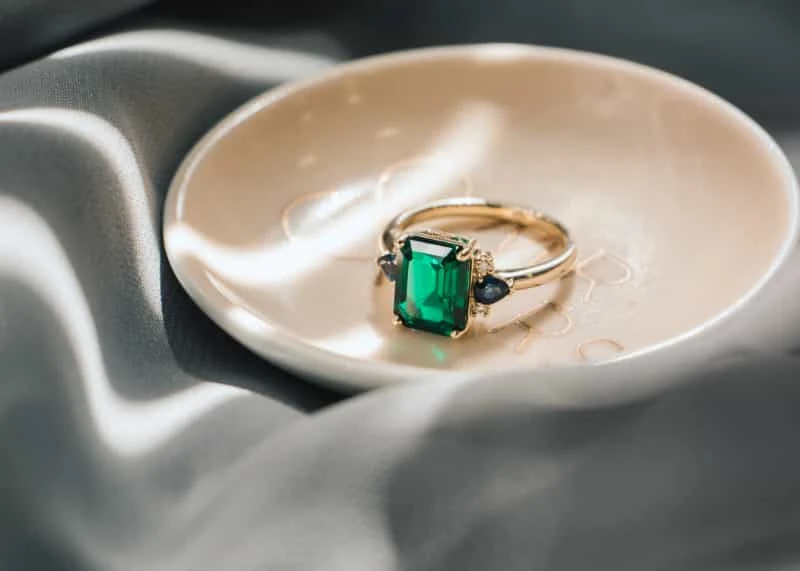

Emerald stone is one of the most precious and historically significant gemstones in the world, admired for its deep green color and powerful symbolism. A member of the beryl family, emerald has been cherished by royalty, scholars, and gemstone enthusiasts for thousands of years. Its rich green hue represents growth, renewal, wisdom, and prosperity, making emerald not only a symbol of luxury but also of emotional and spiritual balance.
The name emerald comes from the Greek word “smaragdos,” meaning green gem. The color of emerald ranges from light green to intense bluish-green, with the finest stones displaying vivid saturation and excellent transparency. Unlike many gemstones, emeralds commonly contain natural inclusions known as “jardin,” meaning garden, which form unique internal patterns. These inclusions are considered proof of the stone’s natural origin and add to its individuality rather than diminishing its value.
Emerald stones are found in several parts of the world, with Colombia being the most famous source due to its production of high-quality emeralds with exceptional color. Other notable sources include Zambia, Brazil, Afghanistan, and Russia. Each origin produces emeralds with slightly different characteristics, such as tone, clarity, and brilliance. Colombian emeralds are known for their bright green color, while Zambian emeralds often have a deeper, bluish-green tone with higher clarity.
Beyond its visual appeal, emerald carries profound symbolic and metaphysical significance. It has long been associated with wisdom, truth, and mental clarity. Ancient civilizations believed emerald could sharpen intelligence, strengthen memory, and promote honest communication. In modern crystal traditions, emerald is considered a stone of emotional healing, helping to calm the mind and bring balance to relationships. It is also believed to encourage loyalty, compassion, and harmony.
In astrology, emerald stone is associated with the planet Mercury (Budh), which governs intelligence, communication, business, and analytical thinking. Emerald is often recommended for individuals seeking career growth, improved decision-making, and success in education or trade. Astrologers believe that wearing emerald can strengthen Mercury’s influence, leading to better concentration, confidence, and financial stability. However, emerald should ideally be worn after proper astrological consultation to ensure compatibility with the wearer’s horoscope.
From a gemological perspective, emerald has a hardness of 7.5 to 8 on the Mohs scale, making it relatively durable but still more fragile than diamonds or sapphires. Due to its natural inclusions, emerald can be sensitive to pressure and impact. Most emeralds are treated with oils to enhance clarity, which is an accepted industry practice. These treatments help improve appearance but also make proper care essential to preserve the stone’s beauty over time.
Caring for emerald stone requires gentle handling. It should be cleaned using lukewarm water, mild soap, and a soft cloth or brush. Harsh chemicals, ultrasonic cleaners, and steam cleaning should be avoided, as they can damage the stone or remove the oil treatments. Emerald jewelry should be stored separately from harder gemstones to prevent scratches. With proper care, emerald can retain its brilliance and elegance for many years.
Emerald stone is widely used in fine jewelry, including rings, pendants, earrings, and bracelets. Its regal green color pairs beautifully with yellow gold, white gold, silver, and platinum. Emerald jewelry is often chosen for special occasions, anniversaries, and milestone celebrations due to its association with prosperity and lasting love. The gemstone’s timeless appeal ensures that emerald pieces remain fashionable across generations.
The value of an emerald stone depends on several factors, including color, clarity, cut, carat weight, and origin. Among these, color is the most important, with vibrant, evenly distributed green commanding the highest prices. Natural, untreated emeralds with certification are especially prized in the gemstone market. Because emeralds are rarer than many other gemstones, high-quality stones are considered both a luxury purchase and a long-term investment.
In conclusion, emerald stone is more than just a beautiful gemstone it is a symbol of wisdom, growth, and prosperity. Its rich history, powerful astrological significance, and timeless elegance make it one of the most sought-after gemstones in the world. Whether chosen for its spiritual benefits, aesthetic beauty, or investment value, emerald continues to be a gemstone that reflects nature’s perfection and enduring charm.



























Sign in to leave a comment.