
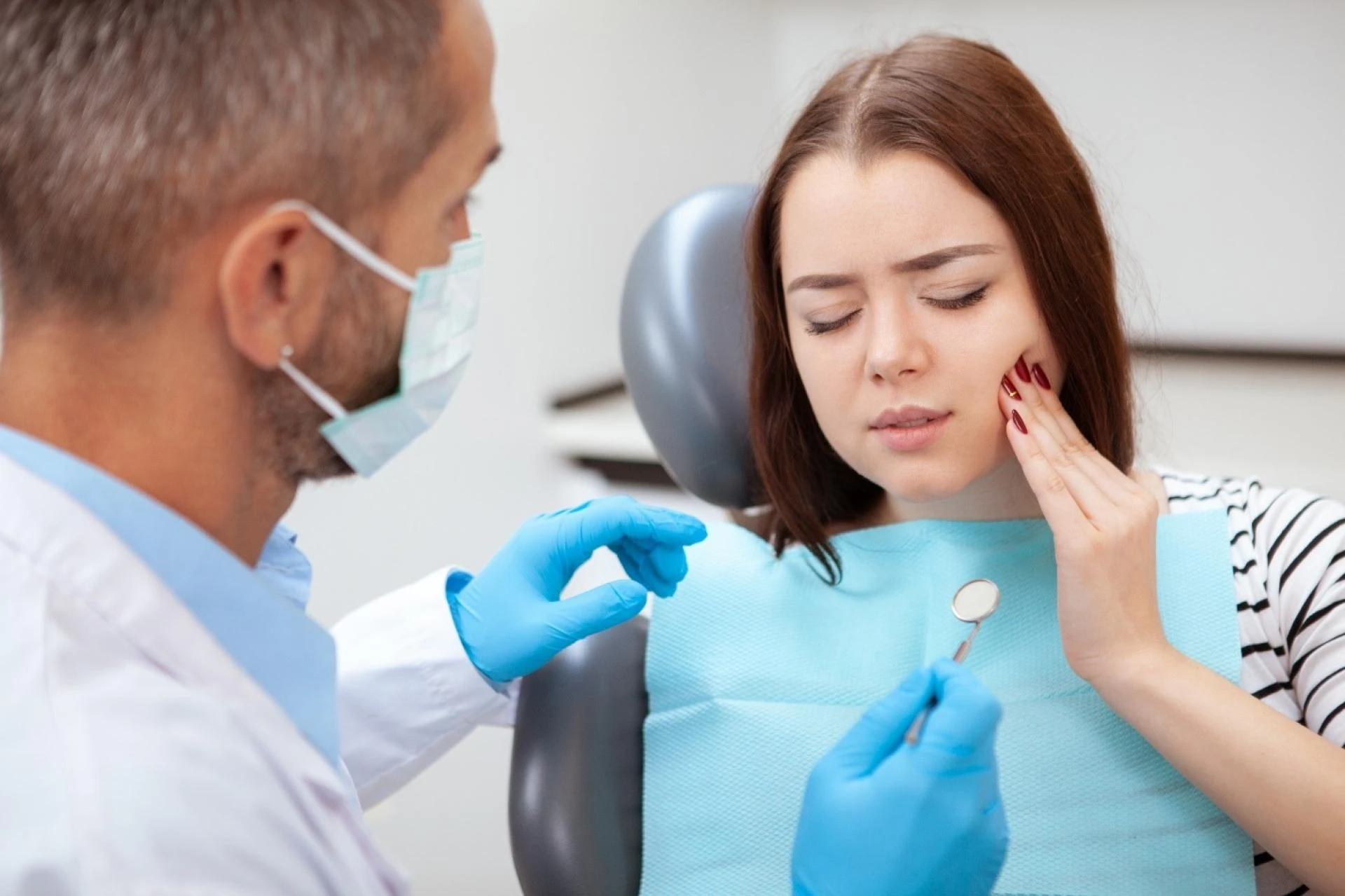
For the purpose of treating unexpected oral health problems that need to be addressed right away, emergency dental treatments are essential. Anxiety can be reduced and timely care can be ensured by being prepared for what to expect during an emergency dental appointment. This thorough handbook covers the common situations, actions, and results related to emergency dental treatment while offering a tailored and educational approach.
Understanding Emergency Dental Services
For the purpose of treating unexpected oral health problems that need to be addressed right away, emergency dental treatments are essential. Anxiety can be reduced and timely care can be ensured by being prepared for what to expect during an emergency dental appointment. If you\'re in need of emergency dental care in Panvel, this thorough guide covers the common situations, actions, and results related to emergency dental treatment while offering a tailored and educational approach.
Common Dental Emergencies
Severe Toothache
- Symptoms: Intense, persistent pain often accompanied by swelling.
- Cause: Tooth decay, abscess, or infection.
- Treatment: Examination, X-rays, pain management, and treatment of the underlying cause (e.g., filling, root canal).
Knocked-Out Tooth
- Symptoms: Complete displacement of a tooth due to trauma.
- Cause: Sports injuries, accidents.
- Treatment: Immediate re-implantation; otherwise, preservation and potential reattachment; and evaluation for possible splinting.
Broken or Cracked Tooth
- Symptoms: Visible damage to the tooth structure and pain when biting or chewing.
- Cause: Trauma, biting down on hard objects.
- Treatment: Examination, X-rays, repair with bonding or crown, root canal if the pulp is exposed.
Abscess or Infection
- Symptoms: Severe, throbbing pain, swelling of the gums or face, fever.
- Cause: Untreated decay, trauma, or advanced gum disease.
- Treatment: Drainage of abscess, antibiotics, root canal therapy.
Lost Dental Filling or Crown
- Symptoms: Sensitivity or discomfort around the affected tooth.
- Cause: Wear and tear, trauma.
- Treatment: Replacement of filling or crown to protect the tooth structure.
Soft Tissue Injuries
- Symptoms: Cuts, tears, or injuries to the lips, tongue, cheeks, or gums.
- Cause: Biting down on hard objects, accidents.
- Treatment: Examination, cleaning, and suturing if necessary to promote healing.
What to Expect During an Emergency Dental Visit
Initial Assessment
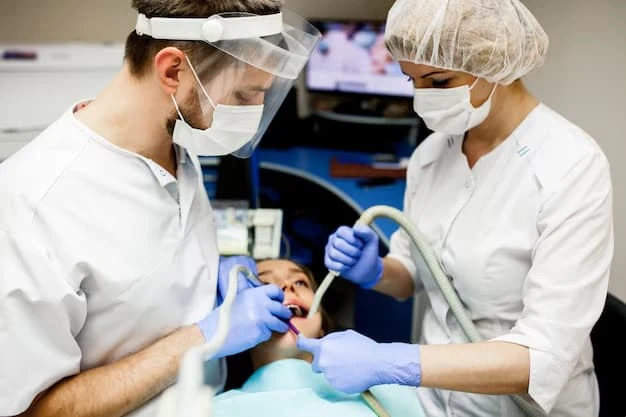
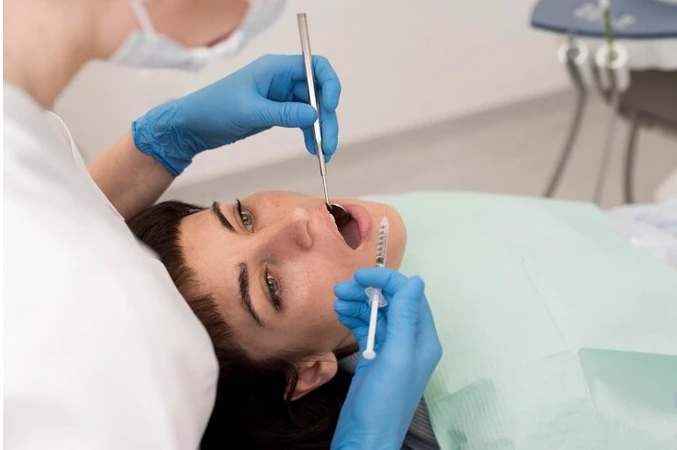
- Evaluation: The dentist will examine the affected area and assess the severity of the problem.
- X-rays: Diagnostic X-rays may be taken to identify underlying issues such as fractures or infections.
Pain Management
- Immediate Relief: Pain relief measures such as local anesthesia, pain medications, or cold compresses may be used to alleviate discomfort.
Treatment Planning
- Discussing Options: The dentist will discuss treatment options based on the diagnosis and severity of the condition.
- Informed Consent: Before proceeding, you will be informed about the recommended procedures, their benefits, risks, and costs.
Procedures and Treatments
- Restorative Care: Repair broken or damaged teeth using fillings, crowns, or bonding.
- Endodontic Treatment: Root canal therapy to treat infections or abscesses affecting the tooth\'s pulp.
- Extractions: Removal of severely damaged or non-restorable teeth.
- Antibiotics: Prescription of antibiotics to manage infections.
Follow-Up Care
- Instructions: Post-treatment care instructions, including medication usage, diet modifications, and oral hygiene practices, will be provided.
- Follow-Up Appointments: Schedule follow-up visits to monitor healing and ensure the success of treatments like root canal therapy or surgical procedures.
How to Prepare for a Dental Emergency
Emergency Kit
- Contents: Include gauze, a small container with a lid, pain relievers, and the contact information of your dentist or local emergency dental clinic.
Know Your Dentist\'s Contact Information
- Emergency Protocol: Familiarize yourself with your dentist\'s emergency contact number and office hours.
Stay Calm and Act Quickly
- Timely Response: Acting promptly can significantly affect treatment outcomes and recovery.
Conclusion
For unanticipated oral health issues to be immediately and effectively addressed, emergency dental services are essential. Knowing what to anticipate at an emergency dental visit, including typical procedures, treatment options, fees, and insurance considerations, will help you approach a dental emergency with confidence. Minimizing discomfort, averting problems, and maintaining dental health all depend on prompt care. To make sure you get the treatment you require most, be organized, aware of your alternatives, and give your dental health first priority. See your dentist to create a plan that suits your needs if you are worried about possible dental crises.






Sign in to leave a comment.