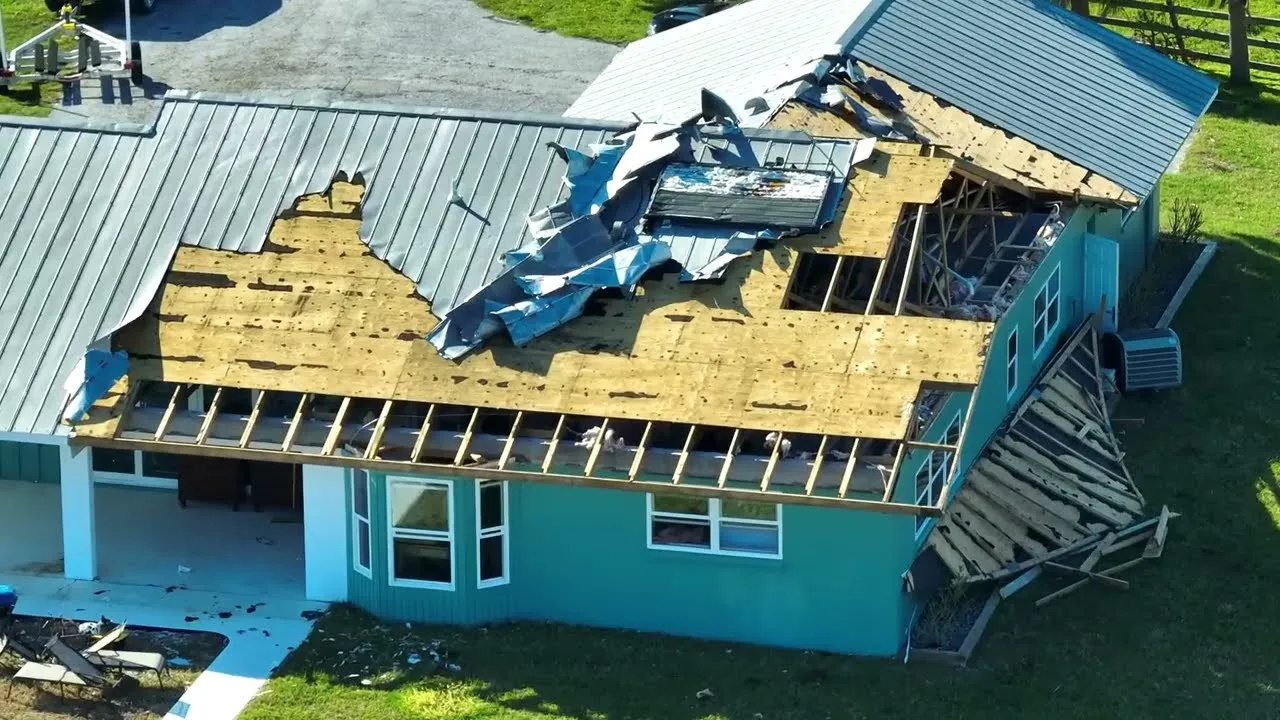

Immediate action following a severe weather event prevents minor leaks from turning into major structural failures. When a storm compromises a building, the most effective response involves a quick Emergency Roofing assessment followed by temporary mitigation like tarping to stop water infiltration. Property owners should prioritize safety by avoiding damaged areas until a professional confirms the building is stable. Taking these steps within the first twenty-four hours reduces the risk of mold growth and internal rot.
Severe weather events often strike without warning, leaving homeowners and business managers unsure of how to proceed. This guide provides a clear path for managing property recovery based on decades of field experience in storm restoration and exterior maintenance. Understanding the difference between cosmetic issues and threats to the building's stability is the first step toward a successful recovery.
Immediate Steps Following Severe Weather
Once a storm passes, the priority is identifying hazards like downed power lines or gas leaks. Property owners should never step onto a wet or damaged roof themselves. Instead, they should perform a Storm Damage Assessment from the ground using binoculars. This allows for a clear view of missing materials or displaced flashings without risking a fall or a collapse.
Documentation plays a significant role in the recovery process. Taking high-resolution photos of the property from all angles provides necessary evidence for future discussions with adjusters. These images should capture debris on the lawn, dented siding, and any visible gaps in the roof line. Industry data indicates that properties with thorough photo documentation at the time of the event often see faster claim processing times compared to those without clear records.
Visual Inspection from the Ground
Looking for specific signs of Wind Damage is a key part of the initial check. High gusts often lift the edges of asphalt shingles, breaking the adhesive seal. Even if the shingle settles back down, the seal is gone, making it vulnerable to the next rain event. Owners should look for shingles that appear curled, creased, or are completely missing from the peaks and valleys of the roof.
Hail Damage presents differently, often appearing as small, dark dimples in the shingle granules. On metal roofs, this might look like actual dents or dings. While these might seem like small issues, they represent a loss of the protective top layer that shields the underlayment from UV rays and moisture. Over time, these impact points become the primary source of leaks.
Bonus Tip for Homeowners
Check the attic immediately after a storm. Looking for damp insulation or streaks of light coming through the boards can reveal a leak long before water starts dripping through the ceiling of the living area.
Temporary Mitigation Strategies for Emergency Roofing
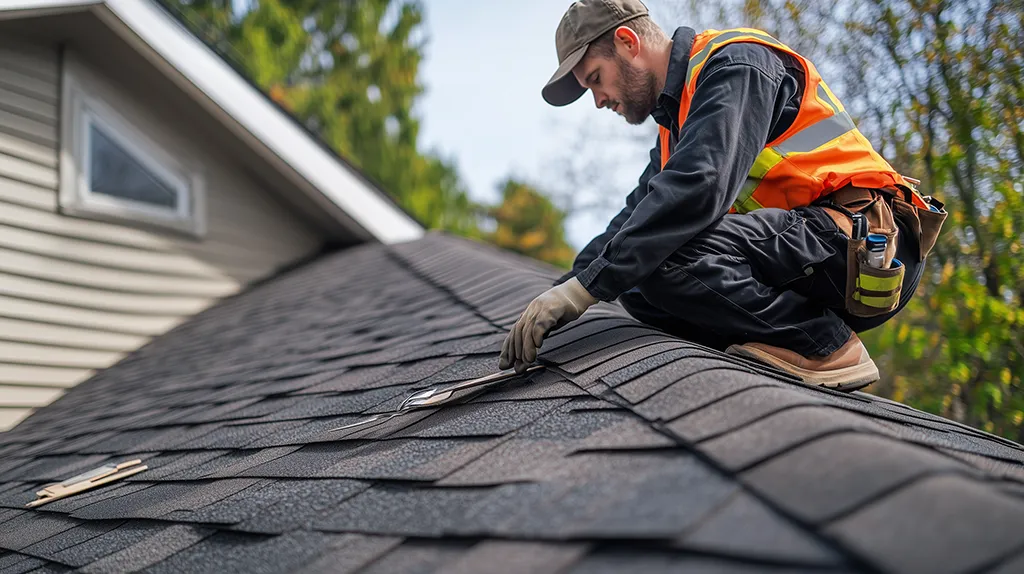
If a hole or a significant leak is identified, stopping further water entry is the next objective. Professional crews often utilize Tarping a Roof as a standard first-response tactic. This involves using heavy-duty, UV-resistant plastic or fabric covers secured with wooden strips. It is a temporary fix designed to last only until a permanent repair is possible.
Proper tarping requires extending the material over the ridge of the roof so that water flows over the tarp rather than under it. Securely fastening the edges prevents the wind from catching the material and tearing it away. This step is a standard requirement for most insurance policies, as owners have a duty to mitigate further damage to their property once a loss has occurred.
Managing Internal Water Infiltration
If water has already entered the building, moving furniture and valuables out of the affected area is necessary. Placing buckets under active drips and using heavy-duty fans to circulate air helps manage humidity levels. Professional Roof Leak Repair services often involve more than just fixing the exterior; they also address the moisture trapped within the ceiling and walls.
| Damage Type | Visual Indicators | Immediate Risk Level |
|---|---|---|
| Wind Uplift | Lifted or missing shingles, creased tabs | Moderate - exposes underlayment |
| Hail Impact | Dents in metal, granule loss on shingles | Low to Moderate - leads to long-term rot |
| Tree Impact | Sagging roof deck, cracked rafters | High - threatens structural integrity |
| Flashing Failure | Gaps around chimneys or vents | Moderate - causes localized leaks |
Professional Assessment and Documentation
While a ground-level check is a good start, a Professional Roof Inspection is the only way to catch hidden issues. Experts use specialized tools like infrared cameras to detect moisture trapped behind walls that is invisible to the naked eye. They also check the Structural Integrity of the rafters and trusses, especially if heavy snow or fallen branches were involved.
Experienced contractors provide a detailed report that outlines the scope of work needed. This report is a vital piece of the puzzle when seeking Insurance Claim Support. Most insurance companies prefer working with established businesses that provide clear, line-item estimates and photo evidence of the damage.
Insurance Claim Support Processes
The paperwork involved in a weather-related claim can be overwhelming. Many roofing companies assist their clients by meeting with the insurance adjuster on-site. Having a professional present ensures that the adjuster sees all the damage, including the less obvious issues like compromised flashings or damaged ventilation systems.
Market statistics show that about 30% of roof damage is overlooked during initial adjustor walk-throughs if a contractor is not present to point out specific technical failures. Ensuring the estimate covers the full cost of a Shingle Replacement or a full deck repair is essential for maintaining the property value.
Things to Consider Before Making a Decision
Before hiring a team for repairs, property owners should evaluate several factors to ensure they receive quality service.
- Check for local licensing and insurance to protect against liability.
- Verify the company has a physical office and a history of working in the area.
- Inquire about the types of materials they use and if they are certified by the manufacturer.
- Ask about warranties that cover both the materials and the labor.
- Look for companies that offer 24/7 support, as weather emergencies do not follow a schedule.
Bonus Tip for Commercial Owners
For flat roofs, pay close attention to the seams and the drainage points. Debris often clogs these areas during a storm, causing water to pond and eventually seep through the membrane.
Long-Term Prevention Strategies for Emergency Roofing
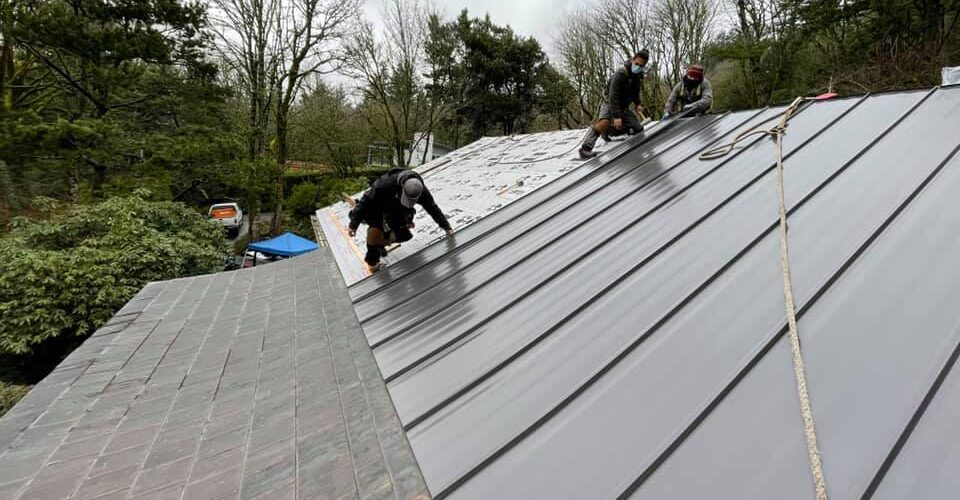
Maintaining a roof between storms is the best way to prevent the need for Emergency Roofing in the future. Gutter Maintenance is perhaps the most neglected part of roof care. When gutters are clogged, water backs up under the shingles at the eaves, leading to ice dams in the winter and rotted wood in the summer.
Regular inspections, ideally twice a year, allow for minor issues to be fixed before they become disasters. Replacing a few missing shingles now is much cheaper than replacing an entire roof deck later. Keeping trees trimmed back at least ten feet from the roof line also reduces the risk of branches falling during high winds.
Summary of Best Practices
Dealing with weather damage requires a balance of speed and caution. By prioritizing a ground-level Storm Damage Assessment and securing the structure with temporary covers, owners can protect their investment while waiting for a permanent fix. Utilizing professional support for inspections and insurance claims ensures that no damage is overlooked. Ultimately, proactive maintenance and choosing experienced local professionals are the best ways to manage the risks associated with severe weather. Owners should evaluate their property’s current condition and consider a professional review to prepare for future seasons.
Professional Support and Assistance
For property owners facing the aftermath of a storm, finding a reliable partner is essential. Roofing Freeport provides comprehensive support for both residential and commercial properties. They offer Emergency Roofing services 24/7 to ensure that no property is left vulnerable to the elements. With 26+ years of local experience, their team is GAF Master Elite Certified and fully licensed and insured. They provide free estimates and 100% financing options to help manage unexpected costs. For expert assistance with repairs or insurance claims, they can be reached at (516) 226-8500 or via email at [email protected].
FAQs
What should be done first if a tree falls on the roof?
The first step is to evacuate the building and call the utility company to shut off power and gas if necessary. Structural damage from a tree can make a building unsafe to occupy. Only after a structural engineer or a professional roofer clears the building should any cleanup begin.
Is it necessary to replace the whole roof after hail?
Not always. If the hail was small and the roof is relatively new, targeted repairs might suffice. However, if the impact points are widespread, a full replacement is often recommended to prevent dozens of small leaks from developing simultaneously over the next few years.
How can a property owner tell if a contractor is a "storm chaser"?
A common sign is an out-of-state license plate or a high-pressure sales tactic that requires an immediate signature. Established local companies usually have deep roots in the community and offer long-term warranties that "storm chasers" cannot fulfill.
How quickly should a roof be inspected after a storm?
An inspection should happen as soon as it is safe to be outside. Even if there are no visible leaks, some damage takes weeks to manifest as a ceiling stain. Early detection is always the most cost-effective approach.
Are there financing options for major roof repairs?
Many reputable roofing firms offer financing plans to help property owners cover the cost of a deductible or the portion of a replacement not covered by insurance. This allows the work to proceed immediately, preventing further damage to the home interior.





















Sign in to leave a comment.