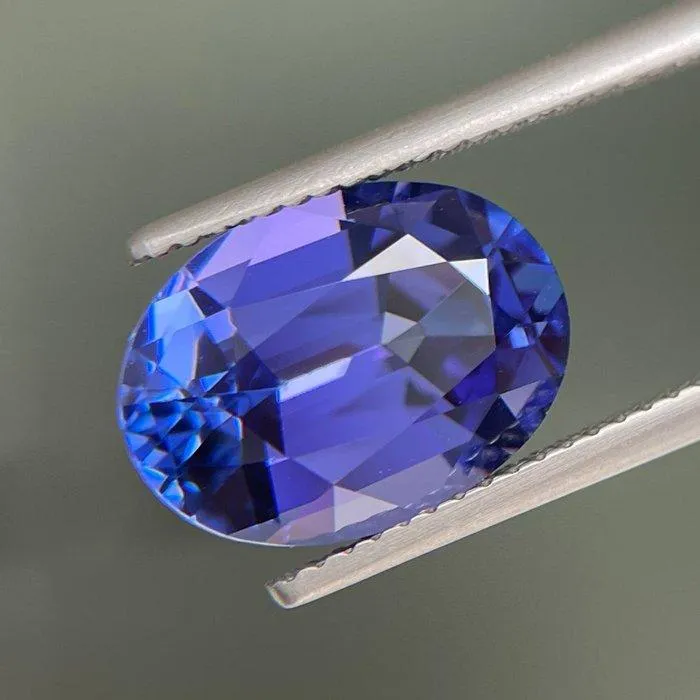

The luxury jewellery industry is constantly evolving, with consumers seeking unique, rare, and meaningful gemstones beyond the traditional diamonds, rubies, sapphires, and emeralds. Today, emerging gemstones are making a strong impact in global luxury markets, offering distinctive colors, ethical sourcing, and exceptional craftsmanship. As trends shift toward individuality and sustainability, jewellery designers are embracing these lesser-known gems to create exclusive collections.
For aspiring designers, understanding these trends is an essential part of any jewellery design course, helping students stay ahead in an increasingly competitive industry.
Why Emerging Gemstones Are in Demand
Modern buyers are looking for jewellery that tells a story. Instead of choosing conventional gemstones, many luxury consumers prefer rare stones that reflect their personality and values. Ethical mining practices, limited availability, and vibrant colors have made emerging gemstones highly desirable.
Luxury brands are also experimenting with unconventional gems to create fresh designs that appeal to younger, fashion-conscious audiences.
1. Paraiba Tourmaline
Known for its electric blue and neon green shades, Paraiba Tourmaline has become one of the world's most sought-after gemstones. Its striking color comes from traces of copper, making it incredibly rare and valuable.
Luxury designers use Paraiba Tourmaline in statement rings, necklaces, and earrings that instantly capture attention. Students enrolled in a jewellery design course often study gemstones like Paraiba Tourmaline to understand color theory and gemstone valuation.
2. Spinel
Once mistaken for ruby due to its vivid red color, Spinel has finally gained recognition as a gemstone in its own right. Available in shades of pink, violet, blue, and even gray, Spinel offers excellent brilliance and durability.
Its growing popularity among collectors and luxury brands has made it a favorite for custom-designed engagement rings and fine jewellery collections.
3. Tsavorite Garnet
Unlike traditional red garnets, Tsavorite Garnet features an intense emerald-green color with exceptional brilliance. Because it is rarer than emeralds and often has fewer inclusions, it is increasingly chosen for premium jewellery pieces.
Its vibrant appearance makes it ideal for luxury necklaces, cocktail rings, and elegant earrings.
4. Morganite
Morganite continues to gain popularity due to its soft blush pink color and romantic appeal. Often paired with rose gold, this gemstone has become a preferred alternative for engagement rings.
Luxury buyers appreciate its elegant appearance and affordability compared to pink diamonds. Designers learn how to combine gemstones like Morganite with modern settings during a comprehensive jewellery design course.
5. Tanzanite
Found only in Tanzania, Tanzanite is celebrated for its mesmerizing blue-violet hue. Its limited geographic source makes it significantly rarer than many traditional gemstones.
Collectors and luxury consumers value Tanzanite for its exclusivity, while jewellery brands use it to create sophisticated, high-end collections.
Sustainability Drives Luxury Trends
Consumers today are increasingly interested in responsibly sourced gemstones. Ethical mining practices, traceability, and environmental responsibility influence purchasing decisions, especially in luxury markets.
Designers who understand sustainable sourcing are better equipped to meet industry expectations. A modern jewellery design course introduces students to ethical gemstone sourcing alongside design principles, preparing them for future market demands.
Opportunities for Future Jewellery Designers
The growing demand for emerging gemstones presents exciting opportunities for designers to experiment with fresh color palettes, innovative settings, and personalized luxury collections.
Understanding gemstone characteristics, market value, and customer preferences enables designers to create distinctive jewellery that stands out in competitive markets. Whether working for luxury brands or launching an independent label, knowledge of these trending gemstones can become a significant advantage.























Sign in to leave a comment.