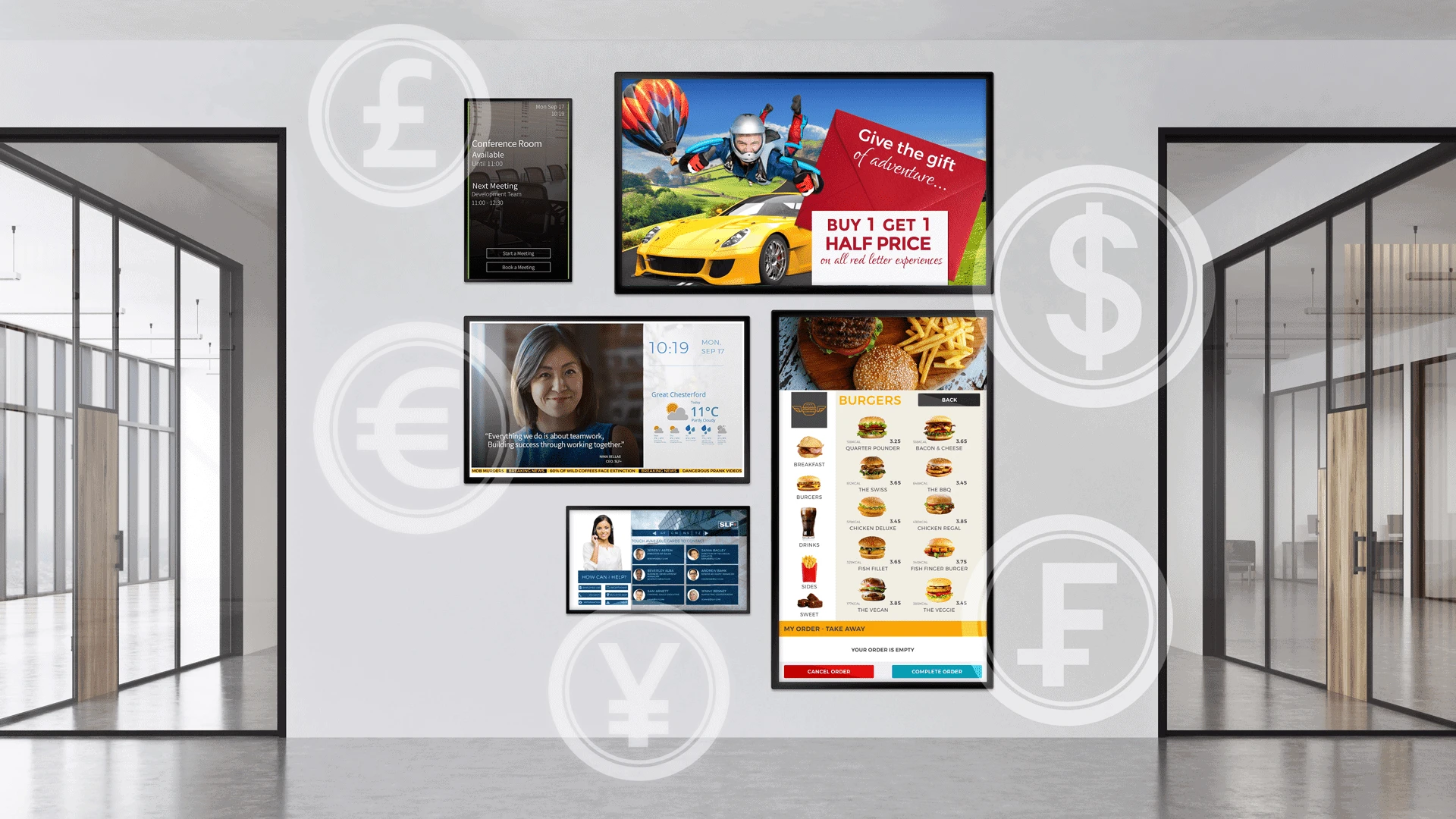

Digital Signage in Pakistan has witnessed a remarkable transformation in recent years. As the nation accelerates its journey into the digital age, businesses, organizations, and institutions are increasingly recognizing the power and potential of digital signage to engage audiences, convey messages effectively, and drive business outcomes. In this blog post, we will explore the emerging trends in digital signage for Pakistani markets, shedding light on how this technology is evolving to meet the diverse needs of a rapidly changing landscape.
Interactive Digital Signage:
One of the most prominent trends in the Pakistani digital signage market is the shift towards interactivity. Interactive digital signage allows viewers to actively engage with the content, making it more memorable and impactful. Whether it's touchscreen displays, gesture recognition, or mobile app integration, interactive digital signage is enhancing user experiences across various sectors.
For example, retail outlets in Karachi are adopting touchscreen kiosks that enable customers to browse product catalogs, check prices, and even place orders right from the screen. This not only simplifies the shopping process but also provides valuable data on customer preferences and behavior.
AI-Powered Personalization:
Artificial Intelligence (AI) is making its presence felt in the digital signage landscape of Pakistan. AI-driven digital signage solutions can analyze viewer demographics and behavior to deliver personalized content. This level of personalization ensures that the message resonates with the audience, leading to higher engagement and conversion rates.
Imagine walking into a Lahore mall, and the digital signage near a fashion store displays clothing recommendations based on your past shopping preferences. AI-powered digital signage can also adapt content in real-time, providing relevant information such as weather updates or special promotions, enhancing the overall customer experience.
Cloud-Based Content Management:
The adoption of cloud-based content management systems is on the rise in Pakistan. This technology allows businesses and organizations to remotely manage and update content across multiple digital signs from a centralized platform. It offers flexibility, scalability, and cost-efficiency.
For instance, educational institutions in Islamabad can use cloud-based systems to distribute timely announcements, event schedules, and important updates to digital signage screens throughout the campus. Similarly, businesses in Lahore can instantly update their digital menu boards with daily specials and pricing changes from a remote location.
Outdoor Digital Signage:
Outdoor digital signage is gaining traction in Pakistani markets. These robust displays are designed to withstand harsh weather conditions, making them suitable for outdoor advertising, wayfinding, and information dissemination.
In bustling urban centers like Karachi, outdoor digital billboards have become a common sight, providing advertisers with dynamic and eye-catching platforms to reach a broader audience. Furthermore, in Islamabad, outdoor digital signs at transportation hubs are improving passenger experiences by displaying real-time information about bus schedules, routes, and traffic updates.
Integration with E-commerce:
The convergence of digital signage with e-commerce is a trend that is reshaping the retail landscape in Pakistan. QR codes, NFC technology, and mobile app integration enable customers to make direct purchases from digital signs, bridging the gap between physical and online shopping.
For example, a boutique in Lahore can showcase its latest fashion collection on digital signage screens while allowing customers to scan QR codes to purchase items immediately through their smartphones. This seamless integration streamlines the shopping process and boosts sales.
Data-Driven Decision-Making:
Data analytics is becoming an integral part of digital signage strategies in Pakistan. Screens are not just a means of communication; they are also valuable data collection points. By analyzing audience interactions and behavior, businesses can gain insights that drive informed decision-making and content optimization.
In the healthcare sector, for instance, digital signage in Lahore hospitals can collect data on patient wait times and service feedback, helping administrators make real-time adjustments to improve the patient experience. Similarly, data-driven insights in the banking industry can help banks in Karachi optimize their marketing messages based on customer preferences and behavior.
Sustainability and Green Technology:
Sustainability is a global trend that is also influencing the digital signage market in Pakistan. Businesses and organizations are increasingly opting for energy-efficient LED displays and exploring eco-friendly solutions such as solar-powered digital signs. These choices not only reduce environmental impact but also align with Pakistan's commitment to environmental responsibility.
In cities like Islamabad, solar-powered digital signage is being used for public information displays, promoting both sustainability and effective communication. This sustainable approach not only conserves energy but also reduces operational costs over time.
Multi-Channel Integration:
Digital signage is no longer operating in isolation. It is being seamlessly integrated with other marketing channels such as social media and mobile apps. This integration creates a unified brand experience across various touchpoints, enhancing brand visibility and engagement.
For instance, a restaurant in Lahore can use digital signage to promote daily specials while simultaneously sharing the same content on its social media platforms, reaching a wider audience and driving foot traffic.
Enhanced Security Features:
With the growing use of digital signage in sensitive environments, security features have become essential. Advanced encryption, biometric authentication, and remote monitoring ensure the integrity and security of content, especially in sectors like finance and healthcare.
In Karachi's financial district, banks rely on secure digital signage solutions to display sensitive financial data while ensuring that it remains protected from unauthorized access or tampering.
Education and Cultural Preservation:
Digital signage is playing a pivotal role in education and cultural preservation across Pakistan. Interactive displays in schools offer dynamic learning experiences, while historical sites feature immersive displays that transport visitors to different eras. This technology is making learning and exploration more accessible and enjoyable.
In Islamabad's museums and cultural centers, digital signage is used to provide historical context, interactive exhibits, and virtual tours, enriching the cultural experience for visitors and preserving Pakistan's rich heritage.
In conclusion, the digital signage landscape in Pakistan is evolving rapidly, driven by technological innovations and changing consumer expectations. Businesses, organizations, and institutions are embracing these emerging trends to enhance communication, engage audiences effectively, and achieve their objectives. As Pakistan continues to thrive in the digital age, digital signage will undoubtedly remain a pivotal tool for conveying messages and shaping experiences in diverse sectors across the nation.










Sign in to leave a comment.