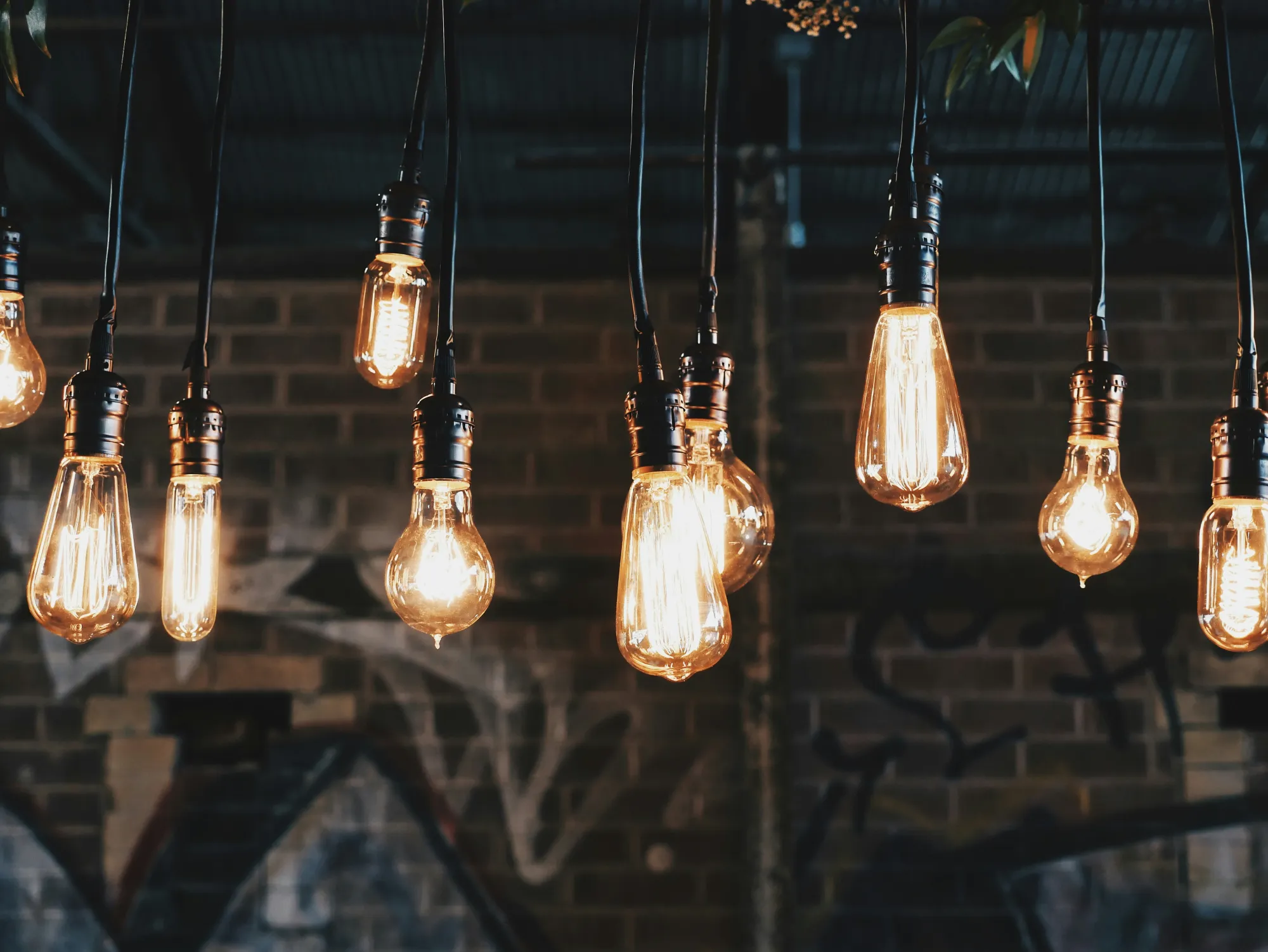

Walk into any store with flat, harsh, or oddly colored light and you can feel it before you even notice why. Products look dull. Colors look wrong. Something about the space just feels off, and shoppers tend to leave faster than they arrived. Energy efficient lighting solves the cost side of that problem, but retailers often assume saving money on power means giving up the warm, inviting look their store needs to actually sell product. That tradeoff is not real anymore. Vision Line works with retail businesses across New Jersey to prove that energy efficient lighting and great store atmosphere are not competing goals, they are the same project done correctly.
Why Retail Owners Are Rethinking Lighting Right Now
A typical retail store spends between 25 and 40 percent of its total energy bill on lighting alone. That number gets attention fast once a store owner actually sees it written down. At the same time, retail is under real pressure to look sharp, since customers judge a store's quality within seconds of walking in. Those two pressures used to pull in opposite directions. Now they do not, because modern LED systems let a retailer cut that energy number dramatically while actually improving how the store looks and feels. That combination is exactly why energy efficient lighting has become such a hot topic among retail owners this year, not just facility managers running warehouses.
The Real Cost of Getting Retail Lighting Wrong
Lighting is not just a background detail in retail, it is a sales tool. Customers respond to color and brightness more than most business owners realize, and getting it wrong has a real cost. If a shirt looks one shade in the store and a different shade at home, that customer returns it. If a display case looks dim next to a competitor's, shoppers spend less time browsing. Poor lighting quietly drains sales in ways that never show up as a clear line item, which is exactly why it gets ignored for years until someone finally looks at the numbers.
How Energy Efficient Lighting Actually Improves Store Appearance
This is the part most retailers get wrong going in. They assume switching to energy efficient lighting means settling for cooler, cheaper looking light. In reality, the opposite tends to happen. Warm light in the 2700 to 3000 Kelvin range creates a cozy, inviting feel that works well for clothing, home goods, and lifestyle brands. Cooler light in the 4000 to 5000 Kelvin range signals precision and cleanliness, which suits electronics, eyewear, and professional goods. The right LED system lets a retailer choose exactly the tone that fits their brand instead of being stuck with whatever the old fixtures happened to produce.
Color accuracy matters just as much. High quality LED fixtures with strong color rendering make merchandise look the way it is supposed to look, which directly reduces the disappointment gap that leads to returns. Many modern systems are also dimmable, which means a store can run brighter, more energetic light in the afternoon and shift to a warmer, more intimate feel in the evening, matching how shoppers actually behave at different times of day.
What a Retail Energy Efficient Lighting Upgrade Actually Costs
Numbers help here more than vague promises. A small boutique upgrade typically runs between 2,000 and 8,000 dollars, while a mid size retail store can expect somewhere between 10,000 and 40,000 dollars depending on square footage and fixture count. After applying available LED lighting rebates and current incentives, the net cost usually drops by 40 to 70 percent. Most retail retrofits pay back their investment within 2 to 4 years through energy savings alone, and that clock starts ticking the moment the new lighting goes live.
Vision Line handles the entire rebate process for these projects, matching each store with the strongest available program and processing the paperwork in house as a trade ally with multiple utility companies. Many businesses also qualify for 60 month interest free financing, which means a retailer can start saving on energy costs without a large upfront hit to cash flow.
SWOT Analysis: Balancing Savings and Aesthetics in Retail Lighting
Every retail space has its own layout, brand, and customer flow, so here is a clear look at the real tradeoffs involved in this kind of upgrade.
Strengths. Modern LED systems offer precise control over color temperature and brightness, meaning a retailer no longer has to choose between saving money and looking good. Long fixture lifespan also means fewer maintenance interruptions during business hours, which matters a lot in a space that depends on foot traffic.
Weaknesses. Choosing the wrong color temperature or fixture placement can undercut the benefits, which is why a proper lighting plan matters more in retail than in almost any other commercial setting. A rushed upgrade without real planning can leave a store technically efficient but visually flat.
Opportunities. Energy Star studies on retail lighting upgrades have found sales increases tied directly to better lighting, in some cases as high as 19 percent for grocers switching to LED. Combined with rebates covering a significant share of project cost, this is one of the few upgrades that can pay for itself while also lifting revenue at the same time.
Threats. Retailers who delay tend to keep absorbing the same 25 to 40 percent energy cost tied to lighting every single month, while rebate values and incentive programs can shift from year to year. Waiting does not remove the cost, it just keeps paying it without capturing the benefit.
How Vision Line Approaches a Retail Lighting Project
Every project starts with a real lighting analysis of the space, not a generic template. Vision Line's team looks at how the store is laid out, what products need to stand out, and what mood the brand is going for, then builds a lighting design plan around that, complete with lumen packages and controls suited to the space. From there, the team manages the entire rebate application and installation process, working around store hours so the upgrade causes as little disruption to daily business as possible. The same certified electricians who handle warehouse and industrial lighting bring that same attention to detail into retail spaces, backed by a large inventory of energy efficient fixtures ready to install quickly.
Frequently Asked Questions
Will energy efficient lighting make my store look colder or less inviting?
No. Modern LED systems can be tuned to warm or cool color temperatures depending on your brand, so the look of your store is a choice, not a limitation.
How much can a retail store actually save with energy efficient lighting?
Lighting typically makes up 25 to 40 percent of a retail store's energy bill, and LED upgrades can cut that significantly while also reducing maintenance costs.
What is the typical payback period for a retail lighting upgrade?
Most retail retrofits pay back their investment within 2 to 4 years through energy savings, and rebates can reduce the net upfront cost by 40 to 70 percent.
Can lighting really affect sales, not just costs?
Yes. Studies have linked improved retail lighting to measurable sales increases, since well lit, accurately colored merchandise displays keep customers engaged longer and reduce product returns.
Does Vision Line offer financing for retail lighting projects?
Yes. Many projects qualify for 60 month interest free financing through utility partner programs, so a store can upgrade without a large upfront cost.
Start Your Energy Efficient Lighting Project With Vision Line
Retail lighting is not just about cutting a power bill, it is about how a customer feels the moment they walk through the door. Energy efficient lighting done right lowers costs, reduces maintenance, and actually strengthens how a store looks and sells, rather than forcing a tradeoff between the two. Vision Line has helped retailers across New Jersey design and install lighting systems that balance both sides of that equation, backed by real rebate expertise and a process built around minimal disruption to business. Reach out to Vision Line today for a lighting analysis and see what energy efficient lighting could do for your store.
























Sign in to leave a comment.