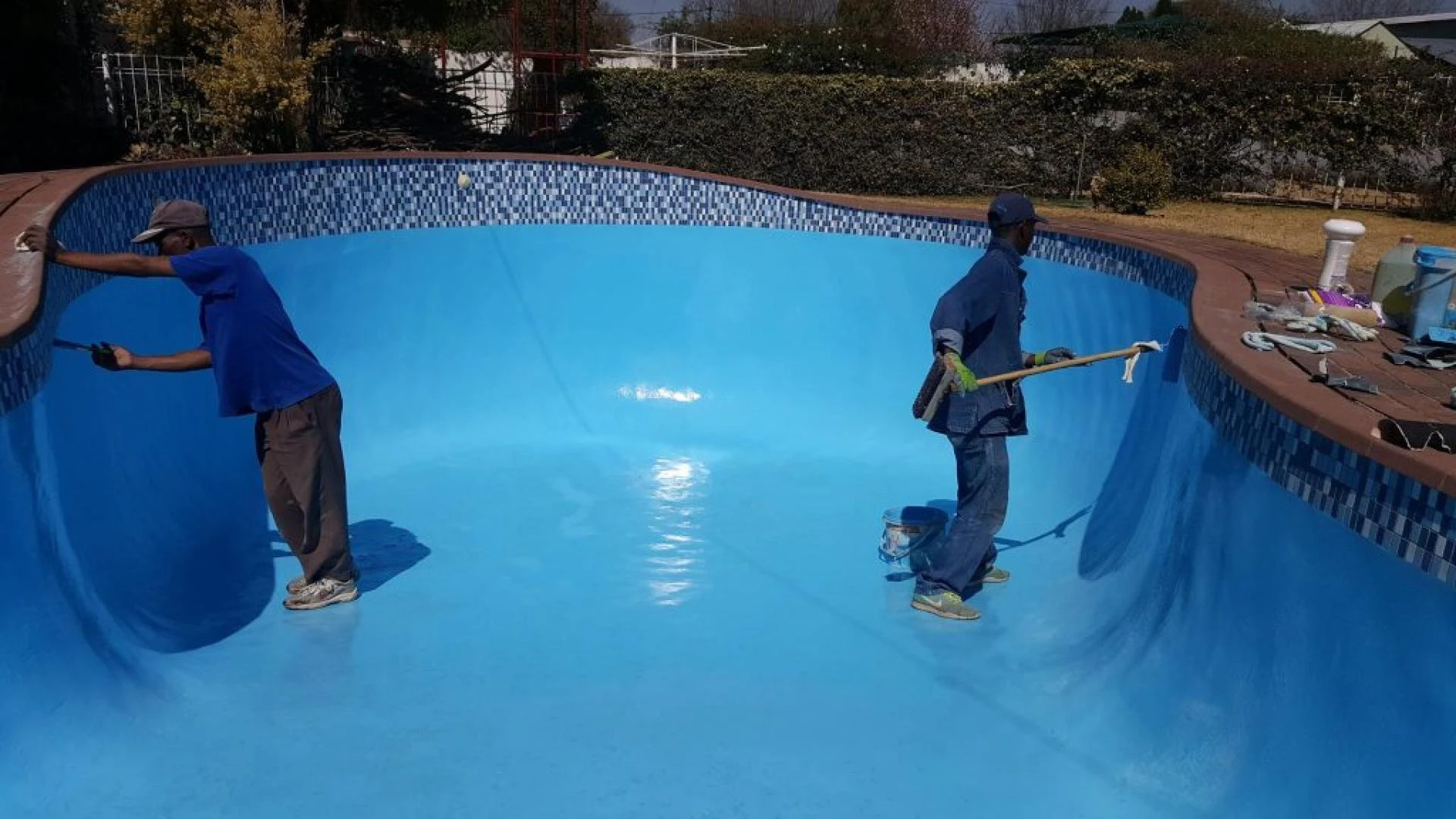

A pebble finish for your pool represents a blend of aesthetics, durability, and practicality, transforming your swimming experience into a luxurious retreat. Whether you're considering a new pool construction or renovating an existing one, here's everything you need to know about the benefits and process of opting for a pebble finish.
What is a Pebble Finish?
A pool pebble finish is a type of pool surface that combines small, smooth pebbles with a cementitious or resinous binder to create a textured and visually appealing surface. It's known for its natural look and feel, providing a more organic appearance compared to traditional plaster finishes. The pebbles come in various colors and sizes, allowing you to customize the look of your pool to match your aesthetic preferences.
Benefits of a Pebble Finish
Durability: Pebble finishes are highly durable and resistant to chemicals, stains, and abrasion. They can withstand the elements and maintain their appearance over many years, reducing the need for frequent resurfacing.
Aesthetic Appeal: The natural texture and variety of colors offered by pebble finishes enhance the visual appeal of your pool. From earthy tones to vibrant hues, pebble finishes can complement any landscaping or architectural style.
Comfort: The smooth, rounded pebbles create a comfortable surface that is gentle on the skin and feet, providing a pleasant swimming experience.
Low Maintenance: Pebble finishes are relatively low maintenance compared to other pool surfaces. They are less prone to algae growth and can be easily cleaned with standard pool cleaning equipment.
Heat Reflectivity: Certain types of pebble finishes have reflective properties that can help maintain water temperature and reduce heating costs.
Installation Process
Installing a pebble finish typically involves the following steps:
Surface Preparation: The existing pool surface is thoroughly cleaned and prepared to ensure proper adhesion of the new finish.
Application of Binder: A specialized binder, either cementitious or resin-based, is applied to the pool surface.
Application of Pebbles: The pebbles are hand-troweled or sprayed onto the wet binder, creating a uniform layer of pebbles across the pool surface.
Smoothing and Finishing: After the pebbles are applied, the surface is smoothed and polished to achieve the desired texture and appearance.
Curing: The pebble finish is allowed to cure and harden, typically over a period of several days, before the pool can be filled with water.
Final Inspection: Once cured, the pool is inspected to ensure the finish meets quality standards and specifications.
Maintaining Your Pebble Finish
To prolong the life and beauty of your pebble finish pool, regular maintenance is key:
Routine Cleaning: Regularly brush and vacuum the pool to prevent debris buildup and maintain water clarity.
Chemical Balance: Monitor and maintain proper water chemistry to prevent stains and prolong the life of the finish.
Sealing and Repairs: Periodically inspect for any signs of wear or damage. Seal cracks promptly and address any repairs to prevent further deterioration.
Conclusion
A pebble finish offers a blend of beauty, durability, and comfort, making it an excellent choice for pool surfaces. Whether you're looking to enhance a new pool or renovate an existing one, investing in a pebble finish can transform your swimming experience and enhance the value of your property. With proper installation and maintenance, your pebble finish pool will provide years of enjoyment and relaxation for you and your family.



























Sign in to leave a comment.