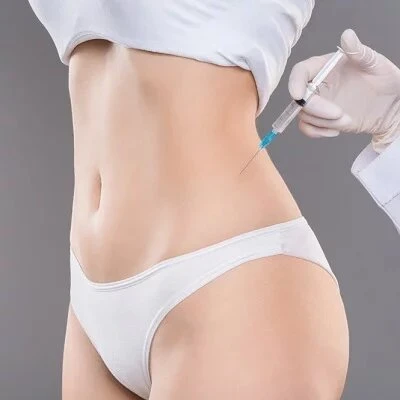

In recent years, the quest for the perfect silhouette has led many individuals to explore non-surgical options for enhancing their curves. One such popular trend is the use of Butt Fillers in Abu Dhabi, a cosmetic procedure designed to add volume and shape to the buttocks. Behind the allure of a fuller, more sculpted posterior lies the intricate science of butt fillers. In this article, we delve into the scientific aspects of this cosmetic enhancement, exploring the materials used, the injection process, and the safety considerations involved.
The Basics of Butt Fillers
Butt fillers, also known as dermal fillers or injectable implants, are substances injected into the buttocks to enhance their size and shape. These fillers work by adding volume to the targeted area, resulting in a fuller and more lifted appearance. The most common substances used for butt fillers include hyaluronic acid, poly-L-lactic acid, and autologous fat transfer.
Hyaluronic Acid: The Hydration Hero
Hyaluronic acid is a naturally occurring substance in the body that is responsible for maintaining moisture in the skin. When used as a filler, hyaluronic acid can provide immediate volume to the buttocks. The substance attracts and retains water, creating a plumping effect that enhances the curves.
The injection process involves the strategic placement of hyaluronic acid into specific areas of the buttocks. Results are visible almost immediately, making this option appealing for those seeking instant gratification. However, it's important to note that hyaluronic acid fillers are not permanent, and touch-up sessions may be required to maintain the desired look.
Poly-L-Lactic Acid: Stimulating Collagen Production
Poly-L-lactic acid, commonly known as PLLA, is another substance used in butt fillers. Unlike hyaluronic acid, PLLA stimulates the production of collagen, a protein that provides structure and firmness to the skin. The gradual increase in collagen production leads to a natural-looking augmentation of the buttocks over time.
The injection process involves multiple sessions spaced apart to allow for collagen stimulation and gradual enhancement. While results may take longer to manifest compared to hyaluronic acid, PLLA butt fillers are known for their longevity, with effects lasting up to two years.
Autologous Fat Transfer: Your Body, Your Filler
Autologous fat transfer, also known as fat grafting, involves harvesting fat from one area of the body (usually the abdomen or thighs) through liposuction and injecting it into the buttocks. This method provides a dual benefit: removing unwanted fat from one area while enhancing the buttocks with the patient's natural tissue.
The procedure requires a careful and precise process to ensure that the transferred fat survives and integrates into the buttock tissue. While the results of autologous fat transfer are generally long-lasting, some patients may require touch-ups to achieve their desired level of augmentation.
The Injection Process
The science of butt fillers extends beyond the choice of filler material to the injection process itself. A skilled and experienced practitioner follows a meticulous procedure to achieve optimal results while minimizing risks.
Consultation and Assessment: Before the procedure, a thorough consultation takes place. The practitioner assesses the patient's goals, medical history, and suitability for the chosen filler.
Preparation: The area to be treated is cleansed, and a local anesthetic may be applied to minimize discomfort during the injection.
Strategic Injection: The filler is injected into targeted areas of the buttocks, with the practitioner carefully sculpting and shaping to achieve the desired outcome.
Post-Injection Massage: In some cases, post-injection massage is performed to evenly distribute the filler and reduce the risk of lumps or uneven results.
Monitoring and Follow-up: Patients are monitored post-procedure, and follow-up appointments may be scheduled to assess the results and address any concerns.
Safety Considerations
While butt fillers can offer transformative results, it's crucial to consider the safety aspects associated with these procedures.
Qualified Practitioners
Choosing a qualified and experienced practitioner is paramount to a safe and successful butt filler procedure. Look for board-certified plastic surgeons or dermatologists with a proven track record in cosmetic enhancements.
Filler Material Safety
Understanding the properties of the chosen filler material is essential. Hyaluronic acid and PLLA are generally considered safe when administered by trained professionals. Autologous fat transfer, being a natural option, also carries a lower risk of adverse reactions.
Infection Prevention
Proper hygiene and infection prevention protocols must be followed during the procedure to minimize the risk of complications. Sterile equipment and a clean environment are essential for a safe butt filler experience.
Realistic Expectations
Having realistic expectations is crucial in any cosmetic procedure. Patients should understand that butt fillers may require touch-ups, and individual results may vary.
Conclusion
Enhancing curves through butt fillers is a science that blends medical expertise with aesthetic artistry. The careful selection of filler materials, coupled with a precise injection process, contributes to achieving natural-looking and satisfying results. As with any cosmetic procedure, thorough research, consultation with qualified practitioners, and a commitment to safety are fundamental elements in the journey toward a more sculpted and enhanced silhouette. Remember, the science of butt fillers is as much about responsible choices and patient education as it is about achieving aesthetic goals.





Sign in to leave a comment.