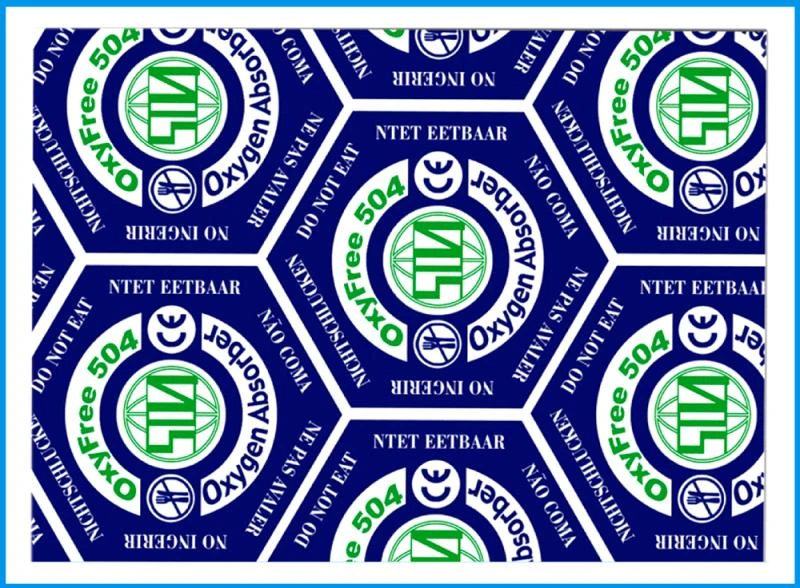

Introduction:
In the realm of food preservation, oxygen absorbers stand out as indispensable tools for extending shelf life, maintaining freshness, and ensuring product quality. These small packets, containing active ingredients that remove oxygen from the surrounding environment, play a crucial role in safeguarding various food products against spoilage, oxidation, and deterioration. In this blog, we will explore the significance of oxygen absorbers in food preservation, their mechanism of action, applications across different food industries, and the benefits they offer to consumers and manufacturers alike.
Understanding Oxygen Absorbers:
Oxygen absorbers, also known as oxygen scavengers, are packets containing iron powder, activated carbon, and other active ingredients enclosed in a permeable material. The primary function of these packets is to remove oxygen from the packaging environment, thereby creating a low-oxygen or oxygen-free atmosphere that inhibits the growth of spoilage microorganisms and slows down oxidative reactions in food products.
Mechanism of Action:
The active ingredients in oxygen absorbers react with oxygen present in the packaging environment, forming harmless compounds such as iron oxide or carbon dioxide. This process effectively reduces the oxygen concentration within the packaging, creating an environment unfavorable for the growth of aerobic bacteria, molds, and fungi. By minimizing oxygen exposure, oxygen absorbers help preserve the sensory qualities, nutritional value, and overall quality of packaged food products.
Applications Across Food Industries:
Oxygen absorbers find widespread applications across various food industries, including:
Baked Goods and Snacks: Oxygen absorbers help maintain the freshness and crispness of baked goods, such as cookies, crackers, and bread, by preventing lipid oxidation and staling.
Dehydrated Foods: In the case of dehydrated fruits, vegetables, and meats, oxygen absorbers extend shelf life by inhibiting the oxidation of fats and proteins, thereby preserving color, flavor, and nutritional content.
Ready-to-Eat Meals: Pre-packaged meals and convenience foods benefit from oxygen absorbers, as they help prevent microbial growth and maintain product quality over an extended period.
Pharmaceuticals and Nutraceuticals: Oxygen absorbers play a crucial role in preserving the stability and efficacy of pharmaceuticals, dietary supplements, and nutraceutical products by minimizing oxidative degradation.
Benefits of Oxygen Absorbers:
Extended Shelf Life: By reducing oxygen levels in food packaging, oxygen absorbers help extend the shelf life of perishable products, reducing food waste and enhancing economic sustainability.
Preservation of Product Quality: Oxygen absorbers aid in preserving the sensory attributes, nutritional content, and overall quality of packaged foods, ensuring that consumers receive products that meet their expectations.
Protection Against Spoilage: By creating an oxygen-free environment, oxygen absorbers inhibit the growth of spoilage microorganisms, molds, and fungi, thus reducing the risk of foodborne illness and product spoilage.
Enhanced Product Safety: Oxygen absorbers contribute to food safety by minimizing the proliferation of aerobic bacteria and pathogens, thereby reducing the risk of contamination and microbial spoilage.
Improved Storage Stability: Foods packaged with oxygen absorbers exhibit improved storage stability, retaining their freshness, flavor, and texture for an extended period, even under ambient storage conditions.
Conclusion:
Oxygen absorbers play a vital role in enhancing food preservation, extending shelf life, and maintaining product quality across various food industries. By creating low-oxygen or oxygen-free environments within food packaging, these small packets help inhibit microbial growth, prevent oxidation, and preserve the sensory attributes and nutritional content of packaged foods. As consumers continue to prioritize freshness, quality, and safety in their food choices, the role of oxygen absorbers in ensuring optimal food preservation becomes increasingly indispensable. By leveraging the benefits of oxygen absorbers, manufacturers can meet consumer demands for high-quality, shelf-stable food products while minimizing food waste and enhancing sustainability in the food industry.











Sign in to leave a comment.