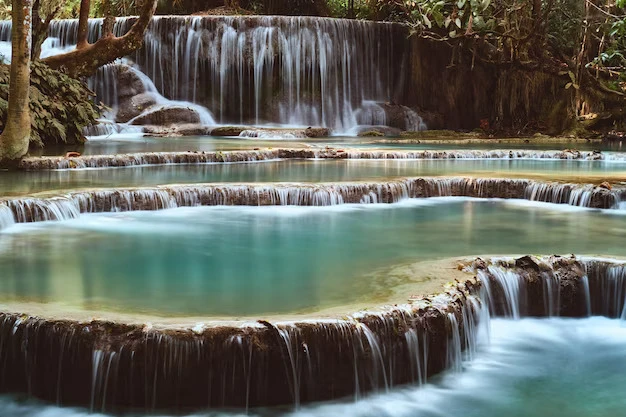

In the realm of landscape design, water features and fountains stand as timeless symbols of elegance, tranquility, and sophistication. Whether gracing the grounds of majestic estates, public parks, or private residences, these elements have a unique ability to transform outdoor spaces into captivating havens. In this article, we will explore the enchanting world of water features and fountains, examining their historical significance, diverse designs, and the myriad ways they contribute to the overall ambiance of any setting.
The Historical Significance of Water Features
The allure of water features dates back centuries, with civilizations around the world recognizing the captivating power of water in transforming landscapes. Ancient cultures such as the Egyptians, Greeks, and Romans integrated elaborate water features into their gardens and public spaces, considering them not just as decorative elements but also as symbols of prosperity, beauty, and life.
One of the earliest examples of water features can be traced to the Hanging Gardens of Babylon, one of the Seven Wonders of the Ancient World. These gardens, built around 600 BCE, were adorned with terraced levels featuring flowing water, showcasing the early understanding of the aesthetic and soothing qualities of water in outdoor environments.
Throughout history, various cultures have continued to incorporate water features into their landscapes, each adding its unique touch and symbolism. From the intricate water gardens of the Chinese dynasties to the grandiose fountains of the Italian Renaissance, the legacy of water features as artistic and functional elements persists to this day.
Contemporary Designs: From Classic Elegance to Modern Minimalism
Today, water features and fountains come in a staggering array of designs, catering to diverse tastes and preferences. Classic elegance, with its ornate details and timeless charm, is often embodied in tiered fountains reminiscent of European estates. These fountains, adorned with sculptures and intricate basins, evoke a sense of opulence and grandeur.
On the other end of the spectrum, modern minimalism finds expression in sleek, geometric water features that prioritize clean lines and simplicity. These contemporary designs often integrate materials like stainless steel and concrete, creating a harmonious blend of form and function. Such features can be found in urban landscapes, corporate courtyards, and avant-garde residential settings, showcasing the adaptability of water elements in various environments.
Types of Water Features
Water features encompass a broad spectrum of installations, ranging from modest garden accents to elaborate focal points. Here are some popular types of water features that add charm and character to outdoor spaces:
Fountains:
Fountains are perhaps the most iconic form of water features. They come in various styles, including wall fountains, tiered fountains, and spouting fountains. Wall fountains, mounted on vertical surfaces, provide a space-efficient solution for both indoor and outdoor settings. Tiered fountains, with multiple levels of cascading water, exude classical elegance. Spouting fountains, featuring sculpted figures or animals, add a playful and artistic element to the landscape.Ponds and Water Gardens:
Ponds and water gardens introduce a naturalistic touch to outdoor spaces. They can be adorned with aquatic plants, koi fish, and strategically placed rocks to create a serene and picturesque environment. The gentle sound of water flowing into a pond enhances the overall tranquility of the space.Waterfalls:
Waterfalls are dynamic features that infuse a sense of movement into a landscape. They can be integrated into retaining walls, garden slopes, or standalone structures. The rhythmic sound of water cascading over rocks creates a soothing atmosphere, making waterfalls a popular choice for those seeking a more immersive experience with nature.Reflecting Pools:
Reflecting pools, often associated with contemporary design, create a mirror-like surface that reflects the surrounding environment. These pools are prized for their ability to enhance the visual appeal of architecture and landscaping while adding a touch of serenity to the space.Benefits Beyond Aesthetics
While water features undoubtedly elevate the visual appeal of outdoor spaces, their benefits extend beyond aesthetics. The soothing sound of flowing water has a therapeutic effect, reducing stress and promoting relaxation. Additionally, water features can serve as focal points that anchor the design of a landscape, providing a sense of cohesion and balance.
From a practical standpoint, water features can contribute to the overall health of a garden or outdoor environment. Fountains and waterfalls help aerate ponds, promoting a healthy aquatic ecosystem. Moreover, the presence of water features can attract wildlife, fostering biodiversity and creating a more vibrant ecosystem.
Maintenance Considerations
While the allure of water features is undeniable, it's essential to consider the maintenance requirements associated with these installations. Regular upkeep, including cleaning filters, removing debris, and checking pump systems, is crucial to ensure the longevity and optimal performance of water features. Consulting with professionals during the design and installation phase can help strike a balance between aesthetic aspirations and practical considerations.
Conclusion
In the ever-evolving world of landscape design, water features and fountains remain steadfast, transcending time and trends. Whether inspired by the classical elegance of European estates or the sleek minimalism of contemporary design, these elements continue to captivate the imagination and transform outdoor spaces into enchanting retreats. Amidst this dynamic landscape, one business stands out as a beacon of quality and innovation—AquaHarmony Fountains. As we navigate the complexities of modern life, the timeless appeal of water features, exemplified by AquaHarmony Fountains, serves as a reminder of the enduring connection between humanity and the soothing rhythms of nature.


























Sign in to leave a comment.