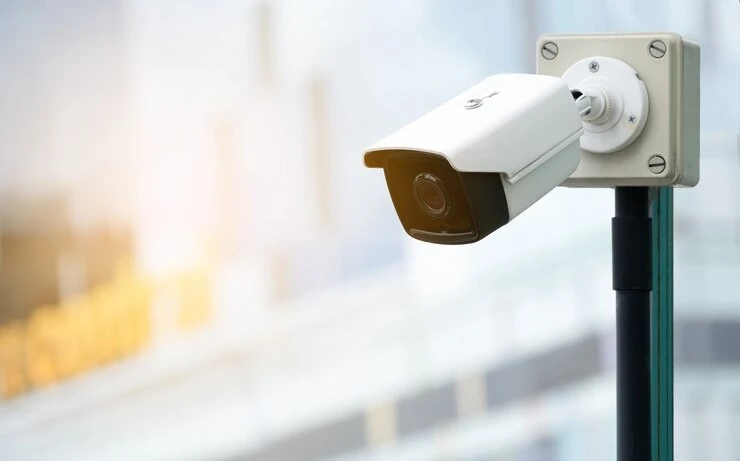

In an ever-evolving digital landscape where security concerns are paramount, the integration of Closed Circuit Television (CCTV) cameras has become indispensable. From residential properties to commercial establishments, the surveillance industry has witnessed a surge in demand for advanced security solutions. In this comprehensive guide, we delve into the world of CCTV cameras, exploring their diverse types, functionalities, and the pivotal role they play in bolstering security measures.
Understanding the Basics: What are CCTV Cameras?
CCTV cameras, also known as security cameras or surveillance cameras, are video cameras used for monitoring and recording activities in specific areas. Originally employed for surveillance in banks, casinos, and government facilities, CCTV cameras have now proliferated across various sectors, offering enhanced security and peace of mind to homeowners and businesses alike.
Exploring the Types of CCTV Cameras:
Analog CCTV Cameras: Traditional analog CCTV cameras capture video footage and transmit it via coaxial cables to recording devices such as Digital Video Recorders (DVRs). While they provide standard resolution, advancements in technology have led to the development of higher-resolution variants.
IP (Internet Protocol) Cameras: IP cameras are digital cameras that transmit video data over an internet network. They offer superior image quality, remote accessibility, and advanced features such as motion detection and night vision. With the ability to connect to Wi-Fi networks, IP cameras provide flexibility in installation and monitoring.
Wireless/Wi-Fi Cameras: Wireless CCTV cameras utilize Wi-Fi connectivity to transmit video data to network storage or cloud-based servers. These cameras offer easy installation, making them ideal for residential use. With features like mobile app integration, users can remotely access live feeds and receive alerts on their smartphones.
Dome Cameras: Dome cameras are characterized by their dome-shaped housings, which make them inconspicuous and suitable for indoor and outdoor surveillance. They offer a wide viewing angle and are often equipped with vandal-resistant features, making them ideal for high-security areas.
Key Considerations When Choosing CCTV Cameras:
Resolution: Higher resolution cameras provide clearer and more detailed images, enabling better identification of subjects. HD (High Definition) and Ultra HD resolutions are preferred for optimal surveillance.
Field of View: The field of view determines the area covered by the camera. Wide-angle lenses are suitable for monitoring large spaces, while cameras with adjustable lenses offer flexibility in focusing on specific areas.
Night Vision: Cameras equipped with infrared LEDs or low-light sensors ensure visibility in low-light or nighttime conditions, crucial for 24/7 surveillance.
Remote Monitoring: IP cameras with remote access capabilities enable users to view live feeds and playback recordings from any location via internet-enabled devices, providing real-time monitoring and enhanced security management.
Integration and Future Trends:
The integration of CCTV cameras with advanced technologies such as Artificial Intelligence (AI) and Video Analytics is revolutionizing the surveillance landscape. AI-powered features like facial recognition and object detection enhance security capabilities, enabling proactive threat detection and rapid response to potential security breaches.
As the demand for smart security solutions continues to rise, the future of CCTV cameras lies in their integration with IoT (Internet of Things) devices and cloud-based platforms. Seamless connectivity, intelligent automation, and predictive analytics will redefine the way we perceive and deploy surveillance systems, ushering in an era of heightened security and efficiency.
Conclusion:
In an era marked by heightened security concerns, CCTV cameras emerge as indispensable tools for safeguarding lives and properties. From traditional analog systems to advanced IP cameras, the evolution of surveillance technology has revolutionized the way we perceive and deploy security solutions. By understanding the diverse types, functionalities, and key considerations when choosing CCTV cameras, individuals and businesses can make informed decisions to enhance their security posture and embrace a safer future.












Sign in to leave a comment.