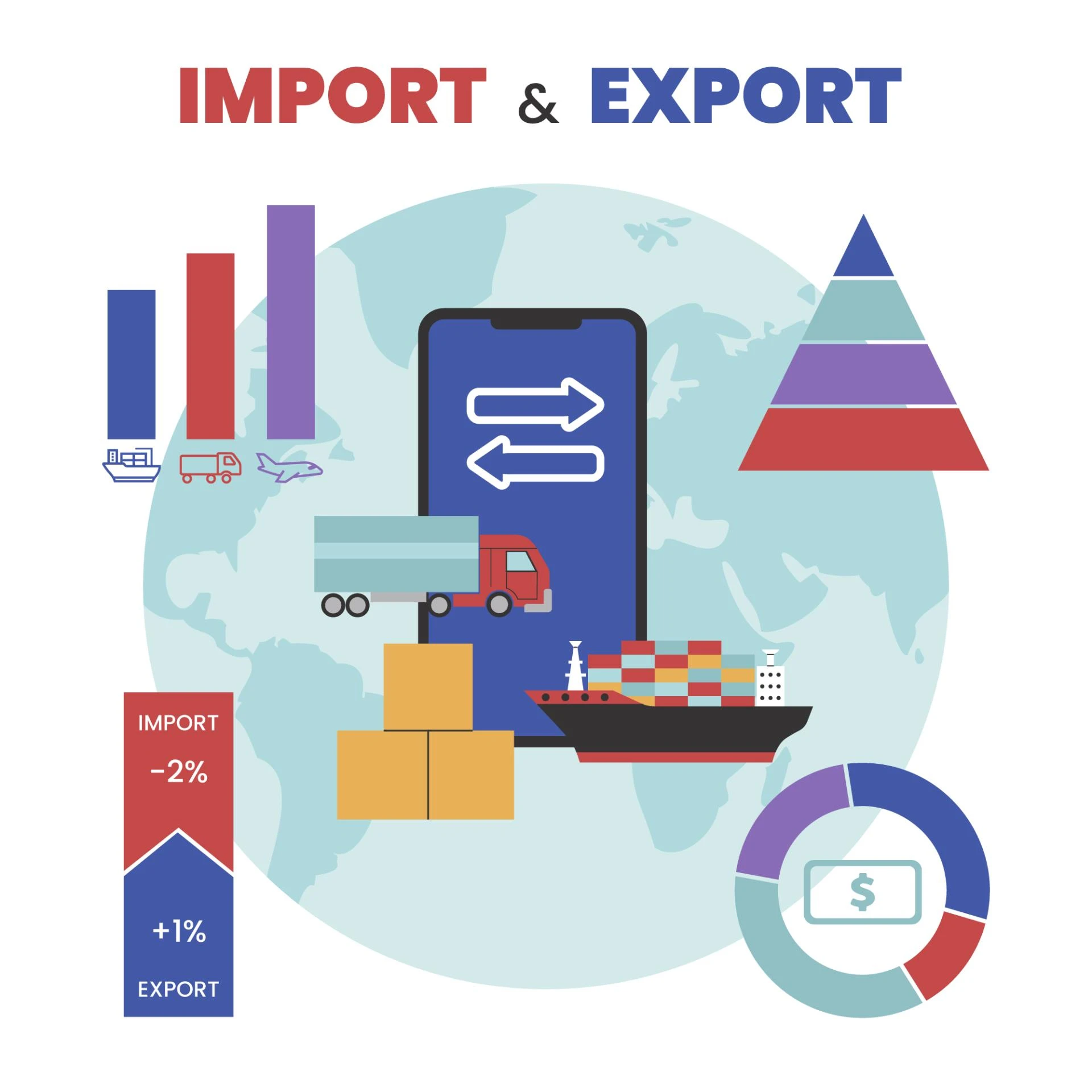

What is EDI?
Electronic Data Interchange (EDI) is the electronic exchange of business documents, such as purchase orders, invoices, shipment notices, and inventory updates, between trading partners in a standardized format. Unlike traditional paper-based methods, EDI enables seamless and automated data exchange, eliminating manual data entry, reducing errors, and accelerating transaction processing.
Streamlining Communication and Collaboration
One of the primary benefits of EDI services is their ability to streamline communication and collaboration throughout the supply chain. By standardizing document formats and communication protocols, EDI facilitates efficient and reliable data exchange between suppliers, manufacturers, distributors, retailers, and other trading partners. This seamless flow of information enables stakeholders to respond quickly to changing market dynamics, customer demands, and supply chain disruptions.
Improving Efficiency and Accuracy
EDI services play a crucial role in improving operational efficiency and accuracy across the supply chain. By automating document exchange and data entry processes, EDI eliminates the need for manual intervention, reducing the risk of errors, delays, and discrepancies. This automation not only speeds up transaction processing but also enhances data accuracy, leading to improved inventory management, order fulfillment, and customer service.
Enhancing Visibility and Traceability
In today's interconnected supply chains, visibility and traceability are essential for effective inventory management, logistics planning, and risk mitigation. EDI services provide real-time visibility into the status and movement of goods throughout the supply chain. By tracking shipments, monitoring inventory levels, and sharing timely updates, EDI enables stakeholders to make informed decisions, optimize inventory levels, and proactively address potential bottlenecks or delays.
Facilitating Compliance and Regulatory Requirements
In highly regulated industries, such as healthcare, automotive, and retail, compliance with industry standards and regulatory requirements is critical. EDI services help businesses comply with regulatory mandates, such as HIPAA (Health Insurance Portability and Accountability Act) in healthcare or EDIFACT (Electronic Data Interchange for Administration, Commerce, and Transport) in international trade. By adhering to standardized formats and data exchange protocols, EDI enables organizations to demonstrate compliance, minimize risks, and ensure data security and integrity.
Driving Cost Savings and Competitive Advantage
By streamlining processes, reducing errors, and enhancing collaboration, EDI services contribute to significant cost savings and competitive advantage for businesses. The automation and efficiency gains achieved through EDI translate into lower operational costs, faster order processing times, reduced inventory carrying costs, and improved customer satisfaction. Moreover, by leveraging EDI to optimize supply chain processes, businesses can gain a competitive edge in the marketplace, differentiate their offerings, and strengthen relationships with trading partners.
In conclusion, Electronic Data Interchange (EDI) services play a pivotal role in modern supply chain management by facilitating seamless communication, improving efficiency, enhancing visibility, ensuring compliance, and driving cost savings. As businesses continue to adapt to evolving market dynamics and digital transformation trends, the importance of EDI in optimizing supply chain performance and enabling competitive advantage will only continue to grow. Embracing EDI as a strategic technology investment can empower businesses to thrive in today's fast-paced and interconnected global marketplace.










Sign in to leave a comment.