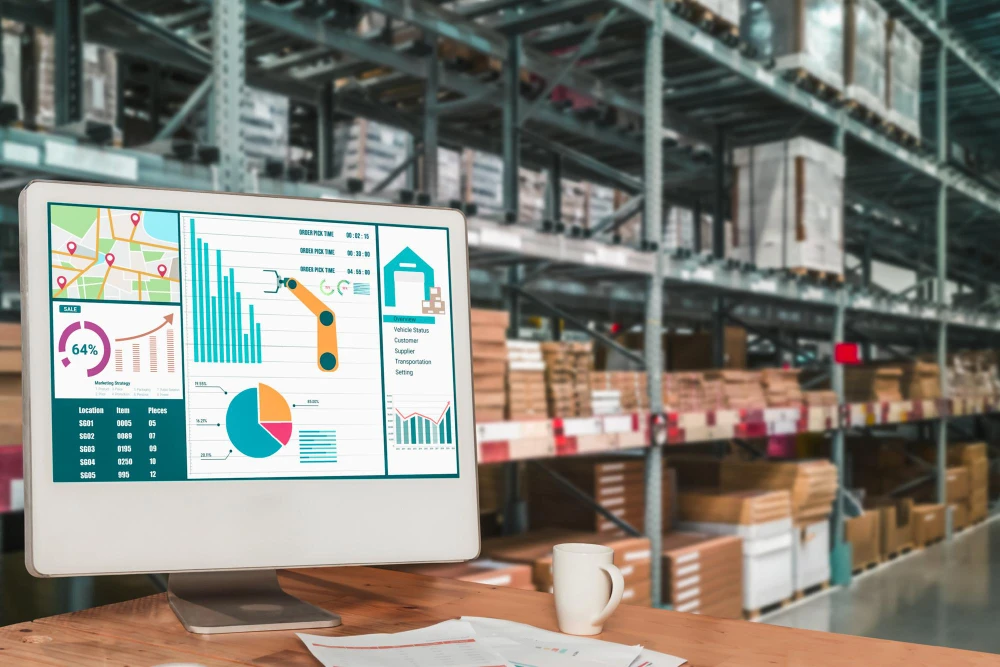

In our increasingly interconnected world, the significance of efficient logistics management systems within the supply chain cannot be emphasized enough. These systems encompass the processes that strategize, execute, and oversee the movement and storage of goods, services, and the accompanying information from their origin to their consumption destination.
In essence, logistics management serves as the backbone of every supply chain, ensuring that products and services are delivered to the right place, at the right time, in the right quantities, and at the right costs.
Whether a business is small or large, its success hinges significantly on the efficacy of its logistics management system. In this blog, we will delve into the fundamentals of logistics management systems within the supply chain and how they empower businesses to achieve their objectives.
Logistics Management System: A Catalyst for Supply Chain Efficiency
A Logistics Management System (LMS) is the orchestration of goods, services, and information from their origin to their consumption. It involves integrating various activities such as transportation, warehousing, inventory management, and order processing to ensure the efficient and effective flow of products and services.
Benefits of a Logistics Management System:
Implementing a logistics management system provides several advantages to businesses:
Increased Efficiency:
An organized LMS streamlines operations, reducing bottlenecks.
Reduced Costs:
Effective logistics management cuts expenses related to transportation, warehousing, and inventory.
Improved Customer Service:
Timely product delivery enhances customer satisfaction.
Enhanced Communication:
LMS facilitates communication across different supply chain departments and partners.
Better Inventory Management:
Optimizing inventory levels minimizes stockouts and overstocking.
Improved Order Processing:
Accurate order processing reduces errors and delays.
Enhanced Visibility:
Real-time visibility into the supply chain enables better decision-making.
Increased Flexibility:
LMS helps companies adapt to changing market conditions and customer demands.
Better Risk Management:
Identifying and mitigating risks in the supply chain ensures resilience.
Improved Sustainability:
Optimizing transportation routes and reducing waste lowers the environmental impact.
Enhanced Security:
Ensuring the security of goods and information throughout the supply chain.
Improved Supplier Relationships:
Providing better visibility and communication strengthens supplier ties.
The Significance of Logistics Management Across Industries
Logistics management plays a pivotal role in various industries:
Retail: Timely delivery of goods to retail stores, warehouses, and customers is critical.Manufacturing: Managing the movement of raw materials, parts, and finished products is essential.E-commerce: Accurate delivery of goods to online customers is vital.Healthcare: Safe and timely delivery of medicines, medical equipment, and supplies is crucial.Food and Beverage: Timely and safe delivery of perishable goods to retail stores and customers is essential.Logistics Management Information System: Empowering Supply Chain Management
A Logistics Management Information System (LMIS) is software that aids in managing all logistics aspects, including the movement and storage of goods, inventory management, transportation, and related activities. LMIS plays a pivotal role in supply chain management by offering real-time data and insights to inform decision-making.
How LMIS Supports Supply Chain Management:
LMIS supports supply chain management in various ways:
Enhanced Inventory Management: It allows organizations to manage inventory levels effectively, avoiding stockouts and reducing carrying costs.Streamlined Transportation: LMIS optimizes transportation routes, schedules, and deliveries, enhancing efficiency and reducing costs.
Efficient Warehouse Management: It tracks inventory levels, optimizes space usage, and improves material handling, reducing warehousing costs.
Real-time Monitoring: LMIS offers real-time visibility into the supply chain, enabling prompt issue identification and resolution.
Improved Supplier Management: It tracks supplier performance, manages contracts, and enhances supplier relationships, ensuring better quality and reduced risks.
Data Analysis and Reporting: LMIS enables data analysis and generates reports for performance monitoring and decision-making.
Cost Reduction: Optimization of supply chain processes, including inventory, transportation, and warehousing, leads to cost reduction.
Better Customer Service: Real-time visibility enhances on-time delivery, reduces errors, and boosts customer satisfaction.
The Logistics Management Process:
A Step-by-Step Guide Logistics management involves planning, executing, and controlling the efficient flow of goods, services, and information from origin to consumption. It encompasses coordination and management of activities such as transportation, warehousing, inventory management, packaging, and security.
The logistics management process unfolds as follows:
Planning: Developing a strategy, assessing customer needs, identifying suppliers, selecting transportation modes, and designing the supply chain network.Sourcing: Selecting suppliers, negotiating contracts, managing supplier performance, ensuring timely delivery, and maintaining quality standards.
Procurement: Purchasing materials, managing inventory levels, nurturing supplier relationships, and tracking shipments.
Production: Coordinating production, scheduling runs, managing inventory, and maintaining quality standards.
Transportation: Selecting the most appropriate transportation mode, managing carriers, tracking shipments, and ensuring timely delivery.
Warehousing: Managing storage, selecting appropriate facilities, monitoring inventory levels, and maintaining quality standards.
Distribution: Managing product distribution, and inventory levels, selecting distribution channels, and ensuring on-time delivery.
Customer Service: Managing customer relationships, addressing complaints, and providing post-sales support.
Measurement and Improvement: Measuring performance, identifying areas for improvement, and implementing corrective actions.
The Crucial Role of Logistics in Supply Chain Success Logistics is pivotal for supply chain success as it ensures the efficient and timely flow of goods, services, and information. It plays a critical role in customer satisfaction and loyalty by enabling cost-effective product delivery.
Conclusion:
Efficient logistics management is paramount for supply chain success. It optimizes operations, cuts down expenses, and elevates customer satisfaction.
QodeNext offers an innovative logistics management solution that optimizes supply chain processes, providing real-time visibility, effective inventory management, and accurate shipment tracking. If you're seeking to improve your logistics management system, QodeNext is the answer. Contact us today to discover how our solutions can benefit your business.









Sign in to leave a comment.