
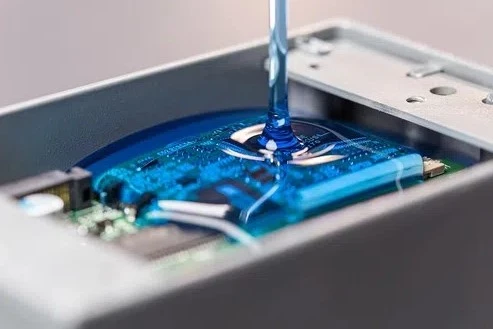
 In the rapidly advancing field of electronics, maintaining the reliability and durability of printed circuit boards (PCBs) is paramount. PCBs are the heart of electronic devices, and protecting them from various hazards is essential to ensure optimal performance and longevity.
One of the most effective methods for safeguarding these crucial components is through the use of PCB potting compounds.
These materials offer vital protection against environmental hazards, mechanical stress, and electrical interference. But what exactly is a PCB potting compound, and why is it so important? Let’s delve into this essential aspect of electronics manufacturing.
What is a PCB Potting Compound?
A PCB potting compound is an insulating material used to encapsulate and protect PCBs and their components. This compound is applied over the PCB, filling all voids and covering the entire assembly. Once cured, it forms a solid, protective barrier. The most common materials used for potting include epoxy, silicone, and polyurethane. Each of these materials has unique properties that make them suitable for different applications.
Benefits of Using PCB Potting Compounds
Environmental Protection: Potting compounds provide a robust shield against environmental hazards such as moisture, dust, chemicals, and extreme temperatures. By creating an impermeable barrier, these compounds prevent corrosion and damage to sensitive electronic components, significantly extending the lifespan of the PCB.
Mechanical Stability: Electronics are frequently subjected to vibrations and mechanical shocks that can lead to component failure. Potting compounds offer mechanical support, cushioning the components and reducing the risk of damage from physical impacts. This is particularly important in applications exposed to harsh conditions, such as automotive and industrial environments.
Electrical Insulation: Potting compounds provide excellent electrical insulation properties, preventing short circuits and protecting the PCB from electrical interference. This ensures stable and reliable performance even in challenging environments, maintaining the integrity and functionality of electronic devices.
Thermal Management: Some potting compounds are designed to enhance thermal management by dissipating heat away from critical components. Effective thermal management is crucial in high-power applications to prevent overheating and ensure optimal performance. This is particularly relevant in power electronics and LED applications.
Security and Tamper Resistance: For applications requiring high security, potting compounds add a layer of tamper resistance, making it difficult to access and alter the PCB. This helps prevent unauthorized modifications and ensures the integrity of the device, which is essential in military and aerospace applications.
Choosing the Right Potting Compound
Selecting the appropriate potting compound depends on several factors, including the operating environment, thermal requirements, and the level of protection needed. Here’s a brief overview of the common types:
Epoxy: Known for its excellent adhesion and chemical resistance, epoxy is ideal for applications requiring robust mechanical protection and durability. However, its rigidity may not be suitable for all scenarios, especially where flexibility is needed.
Silicone: Silicone potting compounds offer flexibility and excellent thermal stability, making them suitable for high-temperature environments and applications involving thermal cycling. They are also resistant to moisture and chemicals, providing versatile protection.
Polyurethane: Polyurethane provides a balance between flexibility and toughness, making it well-suited for applications requiring impact resistance and environmental protection. However, it may not offer the same level of thermal stability as silicone.
Application Process
Applying a potting compound involves several steps. First, the PCB must be thoroughly cleaned and prepared. Next, the potting compound is mixed and poured over the PCB, ensuring complete coverage and filling all voids. The assembly is then cured, typically at room temperature or with the application of heat, depending on the compound used.
Read more: https://www.pottingcompound.com



























Sign in to leave a comment.