Why Clean Water Matters for Health and Hygiene
Clean water ensures good health and hygiene. Harmful bacteria, viruses, and other pollutants in contaminated water can cause some serious health issues like gastrointestinal infections, skin diseases, and respiratory problems. It is vital to ensure the water used for drinking, cooking, and bathing is free from impurities for better well-being.
How Polluted Water Tanks Influence Your Health
Polluted water tanks become a breeding ground for bad microorganisms and algae. Contaminants can take time to reach the water supply, but health risks and odors are linked with them. The contaminated water causes digestive problems, skin problems, and low immunity levels when consumed or used, hence it requires regular tank cleaning.
Contaminants Associated with Unclean Water Tanks
Some of the most common contaminants in polluted water tanks include:
Water tanks contain a wide range of contaminants, from dirt and debris to bacteria, mold, and algae. In addition, sediments in the water source settle at the bottom of the tank, creating a perfect environment for microbial growth. Eventually, the inside of the tank will also develop rust and scale as the external conditions compromise water quality.
Signs Your Water Tank Needs Immediate Cleaning
Several signs can indicate that cleaning of a water tank is needed. Such signs include strange odors, the change in the taste and color of the water, presence of sediments in the water, and constant blocking of water filters. If any of these signs arise, prompt action must be taken to avoid possible health risks.
Role of Professional Water Tank Cleaning Services
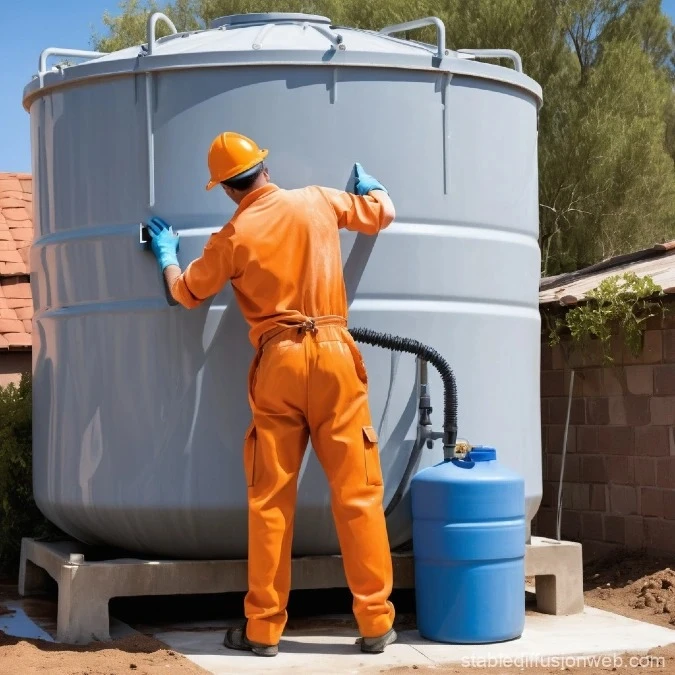
Professional water tank cleaning services use specialty equipment and techniques for cleaning the water tanks. They can remove the sludge, bacteria, and other contaminants which are imperceptible to standard cleaning methods. Professional maintenance properly maintains the quality of water and adds to the life cycle of the water storage tank.
DIY vs. Professional Water Tank Cleaning: Pros and Cons
Though it may seem cheaper, DIY cleaning is primarily surface cleaning and removes no contaminants inside. Professional cleaning is thorough with proper cleaning and is done with technology like equipment and highly disinfected items, and other technologies are used. In some cases, which method to choose depends on tank size, level of contamination, or whatever resources available are.
How Frequently Should You Clean Your Water Tank?
The cleaning frequency of water tanks depends on various factors such as usage rates of water, ambient conditions, and other prevailing conditions governing the quality of the available water supply. Water tank cleaning of residential types should be done at least once a year. Commercial and industrial tanks may be cleaned more often than residential.
Effect of Filthy Water Tanks on Plumbing Systems
Sediments and microbial growth in water tanks can clog plumbing systems. Poor water flow could be a result along with more wear and tear of the pipes and high costs of maintaining the pipes.These conditions are prevented by undergoing thorough cleaning to allow smooth flow of water.
Steps Involved in the Comprehensive Process of Cleaning a Water Tank
Proper cleaning of a water tank requires emptying the container, scrubbing its inner sides, and desludging/sediment removal before disinfection of the storage container using authorized and safe disinfectants. Once well flushed, the reservoir is filled again with clean and pure water before being returned into use.
Prevention: Keep it Longer Cleanable
Regular inspection, tight sealing to avoid contamination from outside, and filtration using water can maintain the water cleanliness. It can also schedule periodic professional cleaning to ensure long-term water quality.
Government Guidelines and Rules for Water Tank Cleaning
Regulatory authorities give guidelines and rules for the safety of water storage. By following such guidelines, compliance can be maintained and safe supply of water to the households and business organizations is ensured.
Environmentally Friendly Water Tank Cleaning Solutions
Using eco-friendly cleaning agents and methods help preserve water quality without harming the environment. The products are nontoxic and biodegradable, and thus, the cleaned waters are not harmful for use.
Cost-Effective Water Tank Cleaning Techniques for Homeowners
Regular maintenance and investment in good quality tank materials and usage of water-saving techniques help house owners who prevent frequent cleanings without jeopardizing their water safety.
Relationship Between Water Quality and General Health
In this case, access to clean water increases health and, therefore, results in increased energy levels and quality skin. Further, clean drinking water contributes to quality living conditions and general wellbeing.
Selection of Quality Water Tank Cleaning Service Provider
There is always a need for one to select an experienced service provider for the tank to be thoroughly cleaned. Use an expert to achieve best cleaning standards; it should adopt current cleaning practices and use of sophisticated cleaning systems.
Water Tank Cleaning plays a vital role in ensuring a safe and healthy water supply. For expert assistance and professional services, Pluspoint Cleaning offers reliable solutions to keep your water tanks clean and contamination-free.
Sign in to leave a comment.