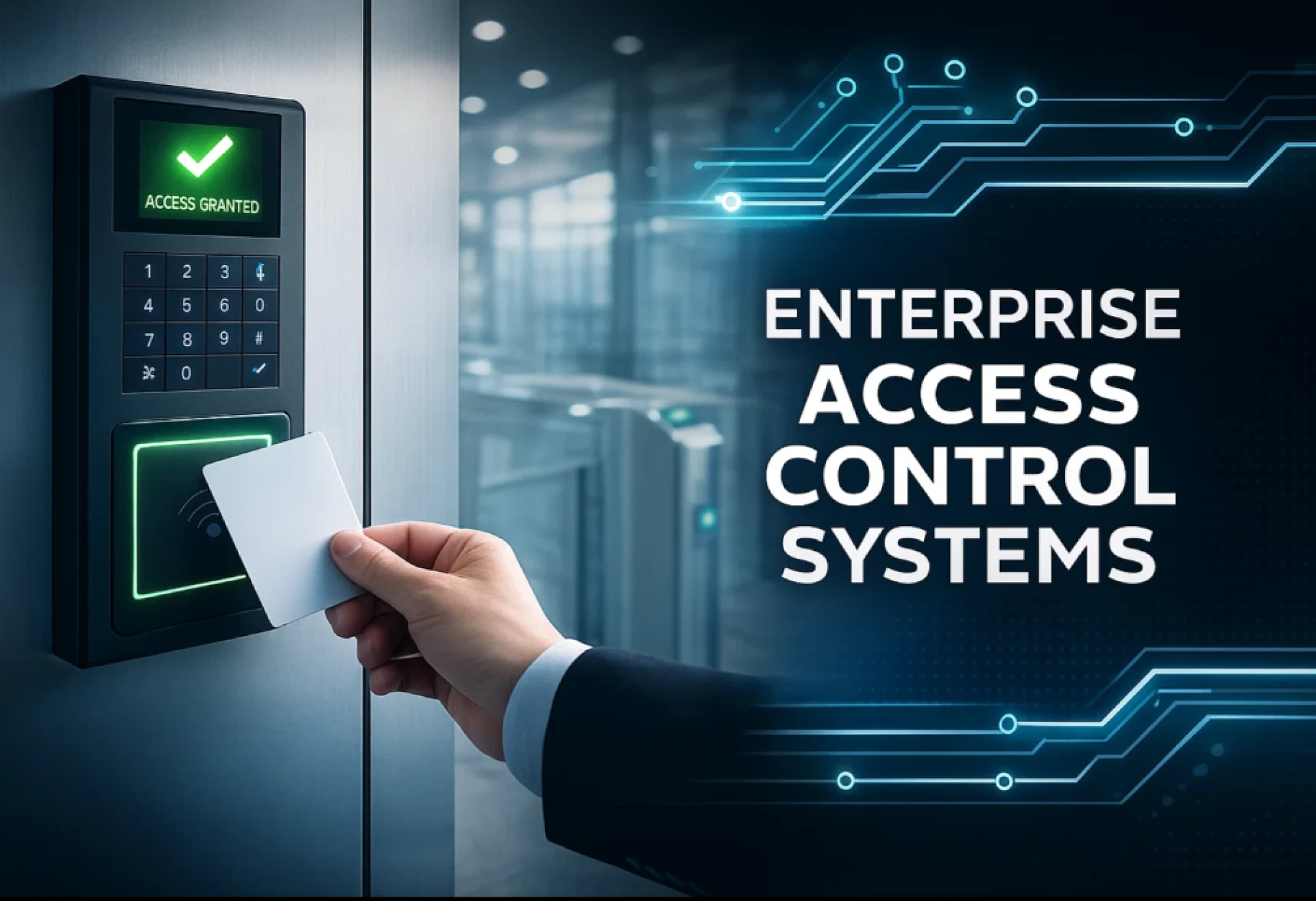
In today's interconnected world, securing physical and digital assets has become more complex than ever. As businesses grow in size and complexity, the need for a unified security system that addresses both physical and cybersecurity challenges becomes critical. Enterprise access control systems are at the forefront of this integrated approach, providing businesses with a comprehensive solution to protect both their physical premises and sensitive data.
In this article, we will explore how cloud-based access control systems, such as those offered by Millennium, are revolutionizing enterprise security. We will examine how these systems not only enhance physical security but also help safeguard digital information, creating a unified, robust defense mechanism for organizations of all sizes.
What is an Enterprise Access Control System?
An enterprise access control system is a security solution designed to manage and regulate access to a building or a network of buildings. These systems ensure that only authorized personnel can enter certain areas, whether it’s physical spaces like offices, labs, or data centers, or digital spaces such as servers and cloud infrastructure.
Traditional access control systems often relied on physical tokens (e.g., key cards or fobs) and on-site management. However, modern cloud-based access control systems are more advanced, leveraging cloud technology to provide remote access control, real-time monitoring, and data analysis. This evolution in access control is particularly useful for large enterprises with multiple locations, providing flexibility and scalability without compromising security.
Why Physical Security and Cybersecurity Need to Be Integrated
Traditionally, physical security and cybersecurity were considered two separate domains. Physical security focused on protecting assets and personnel from threats such as unauthorized access, theft, or vandalism. Cybersecurity, on the other hand, focused on protecting sensitive data and IT infrastructure from cyberattacks, breaches, and hacking attempts.
However, as businesses become more reliant on digital infrastructure, the lines between physical and cybersecurity are beginning to blur. Physical breaches can lead to data theft, while cybersecurity incidents can lead to unauthorized access to physical spaces. To address these interconnected risks, businesses need a unified security solution that safeguards both the physical and digital environments.
This is where enterprise access control systems—especially those based on cloud-based solutions—play a critical role. By providing real-time monitoring and control over both physical access points (e.g., doors, entryways) and digital infrastructure (e.g., IT networks, cloud systems), these systems create a robust security ecosystem that addresses both physical and cybersecurity needs.
How Cloud-Based Access Control Systems Enhance Security
Cloud-based access control systems offer several advantages over traditional on-premise systems, particularly for large enterprises. Here’s how they enhance security on multiple levels:
1. Remote Management and Real-Time Monitoring
Cloud-based access control systems allow businesses to manage access across multiple locations from a single, centralized platform. This provides greater flexibility for businesses with a distributed workforce or multiple office locations.
For example, with Millennium’s cloud-based access control system, security managers can monitor access logs, grant or revoke access, and track the whereabouts of employees or visitors in real-time. This centralized management ensures that security personnel can respond immediately to any suspicious activity, whether in a physical space or across digital assets.
Furthermore, real-time monitoring enables businesses to stay ahead of potential threats. If an employee or visitor attempts unauthorized access, the system can send instant alerts to the security team, allowing for a fast response. This immediate reaction is crucial in both physical security (e.g., preventing unauthorized entry into restricted areas) and cybersecurity (e.g., blocking access to sensitive systems or data).
2. Integration with Other Security Systems
One of the key benefits of cloud-based access control systems is their ability to integrate seamlessly with other security technologies, such as surveillance cameras, alarm systems, and even cybersecurity tools like firewalls and intrusion detection systems.
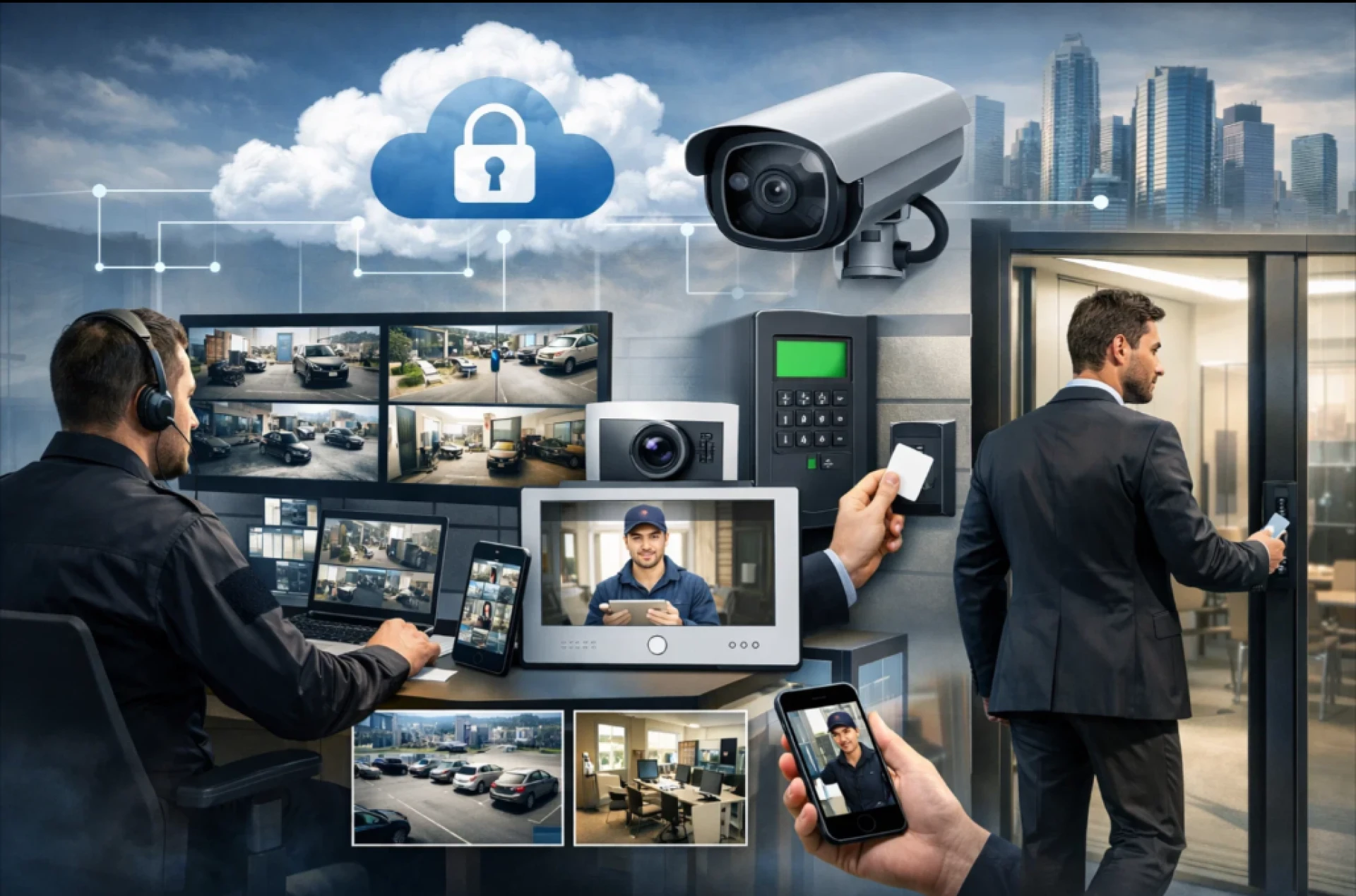
For example, Millennium’s access control software can integrate with video surveillance systems to provide a comprehensive security solution. In the event of an access attempt, security personnel can view video footage alongside access logs, creating a complete picture of the situation. This integration streamlines security management and allows for a more efficient response.
Moreover, the integration of cloud-based access control with cybersecurity systems allows businesses to implement a layered defense strategy. For example, if an employee’s credentials are flagged for suspicious activity, the system could lock both their physical access to a building and their digital access to internal systems, preventing potential breaches from both angles.
3. Scalability and Flexibility
As businesses grow, so do their security needs. Cloud-based access control systems are scalable, making it easy to add or remove access points as required. Whether an organization is expanding to new locations, adding remote workers, or increasing security protocols, a cloud-based system offers the flexibility to scale with minimal effort.
Unlike traditional access control systems, which require physical infrastructure and on-site management, cloud-based systems like those offered by Millennium can be expanded with just a few clicks. This scalability makes cloud-based solutions ideal for large enterprises with complex security needs, ensuring they can always meet evolving requirements without incurring excessive costs or delays.
4. Data Encryption and Protection
Cloud-based systems are equipped with advanced encryption protocols to protect sensitive data. When an employee or visitor attempts to access a secure area, the system verifies their identity, and that data is transmitted to the cloud for analysis and storage. This data is often encrypted to prevent unauthorized access or tampering.
For large enterprises dealing with sensitive information, such as financial data or proprietary research, data encryption is a crucial feature. The encryption of both access credentials and logs ensures that even if a cyberattack occurs, the data remains protected. Additionally, cloud providers often maintain high-security standards, regularly updating their systems to address emerging cyber threats, further enhancing the protection of sensitive data.
5. Mobile Access Control Systems
Mobile access control is another game-changing feature enabled by cloud-based access control systems. Instead of using physical cards or fobs, employees can use their smartphones to unlock doors and access restricted areas. This eliminates the need for traditional access tokens, reducing the risk of lost or stolen cards and providing a more convenient and secure solution.
With mobile access control systems, users can receive notifications about their access rights and even gain temporary or remote access to buildings, making it easier to manage security for visitors, contractors, or remote employees. This flexibility helps enterprises maintain tight security while offering the convenience and mobility that modern employees require.
How Cloud-Based Enterprise Access Control Systems Reduce Costs
1. Lower Initial Investment
Traditional access control systems often require significant upfront costs for hardware, installation, and maintenance. Cloud-based systems eliminate many of these expenses by offering a subscription-based model and hosting the infrastructure off-site. This reduces the need for businesses to invest in expensive on-premise hardware and dedicated IT teams for system management.
2. Reduced Operational Costs
Once deployed, cloud-based systems require minimal on-site maintenance. Cloud providers manage system updates, security patches, and backups, significantly reducing the need for on-site IT personnel. This operational efficiency results in lower labor costs and fewer technical disruptions.
3. Simplified Management
With cloud-based enterprise access control systems, businesses can manage their security infrastructure from a single platform, reducing the need for multiple systems and interfaces. Centralized management streamlines security tasks, such as updating user access permissions and generating reports, leading to improved efficiency and reduced administrative costs.
Conclusion
Today the businesses need security solutions that can adapt to both physical and digital risks. Enterprise access control systems, particularly those that are cloud-based, offer a robust solution for safeguarding an organization’s premises, assets, and data.
Millennium’s cloud-based access control software provides the flexibility, scalability, and security needed to protect both physical and cybersecurity domains. With features like remote monitoring, mobile access, real-time alerts, and seamless integration with other security systems, cloud-based access control systems provide the level of protection required for modern enterprises.
By integrating physical and cybersecurity into a unified system, these access control solutions allow businesses to stay ahead of emerging threats, while reducing costs and simplifying security management. As companies continue to evolve in the digital age, cloud-based access control systems will undoubtedly play a pivotal role in securing their operations against a wide range of physical and cyber threats.

























Sign in to leave a comment.