

In today’s construction landscape, environmental responsibility is no longer optional it is a core requirement for project success. From regulatory approvals to sustainability goals, every construction project must consider its environmental impact. This is where Environmental Consultancy services play a crucial role. They help developers, contractors, and stakeholders navigate complex regulations while ensuring projects are both compliant and sustainable.
Understanding Environmental Consultancy in Construction
Environmental consultancy involves assessing, managing, and minimizing the environmental impact of construction activities. These services are provided by experts who specialize in environmental laws, sustainability practices, and risk assessment.
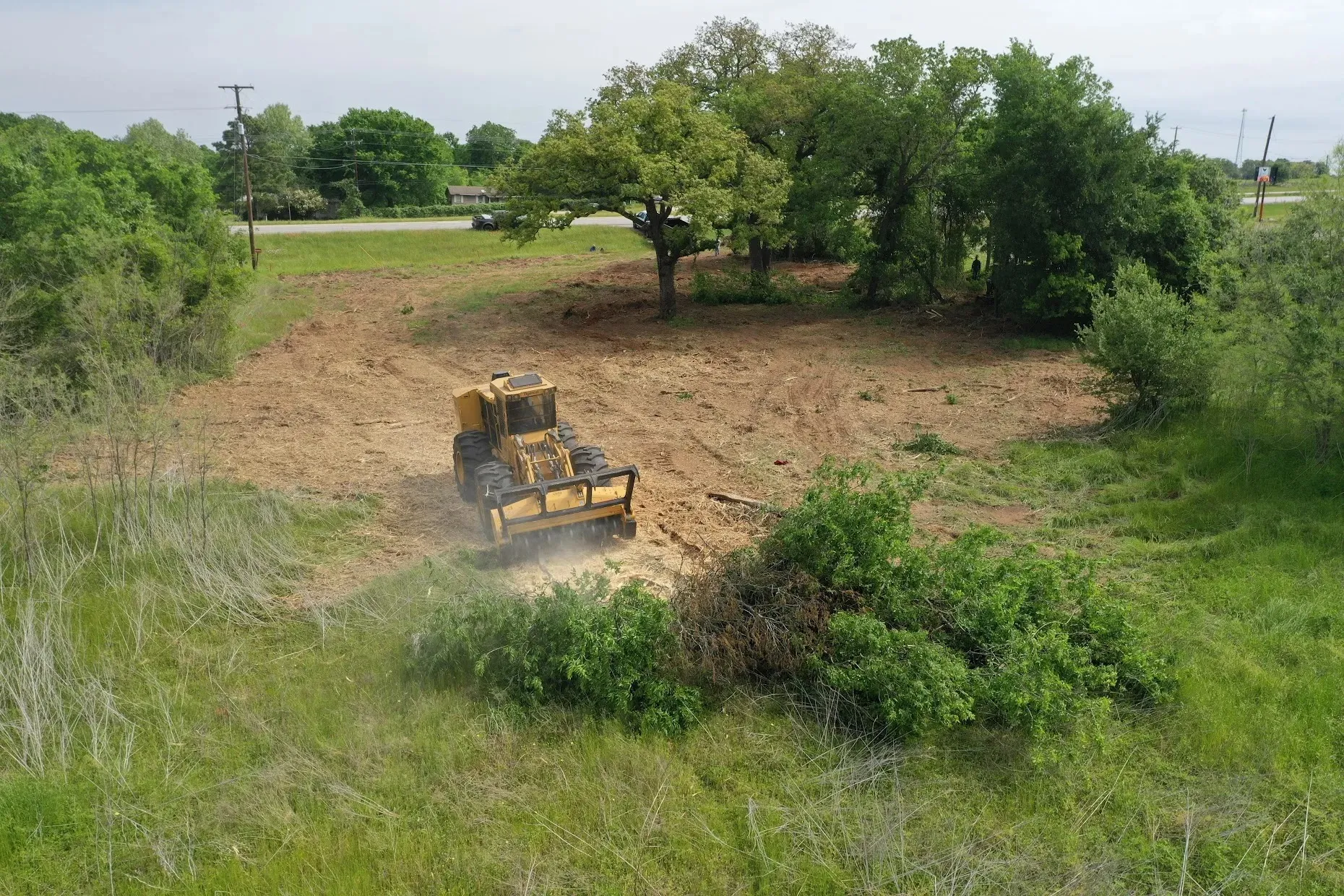
Construction projects often face challenges such as land degradation, air pollution, water contamination, and waste generation. By working with experienced environmental consulting firms, companies can identify these risks early and implement effective mitigation strategies.
Why Environmental Consultancy Is Essential
1. Ensures Regulatory Compliance
One of the primary reasons environmental consultancy is critical is compliance with environmental laws and regulations. Governments impose strict guidelines to protect natural resources, and failure to comply can result in heavy fines, legal actions, or project shutdowns.
Environmental consultants help businesses:
- Obtain necessary permits and approvals
- Conduct Environmental Impact Assessments (EIA)
- Ensure adherence to local and international regulations
This reduces the risk of delays and ensures smooth project execution.
2. Reduces Environmental Risks
Construction activities can have significant environmental consequences if not managed properly. These include:
- Air and noise pollution
- Soil erosion
- Water contamination
- Loss of biodiversity
By collaborating with sustainability consulting firms, project owners can proactively identify risks and implement strategies to minimize environmental damage. This not only protects the environment but also enhances project efficiency.
3. Supports Sustainable Development Goals
Sustainability is a key focus in modern construction. Developers are increasingly expected to align their projects with environmental and social responsibility standards.
Environmental consultants work closely with sustainability consulting companies to:
- Promote resource efficiency
- Reduce carbon emissions
- Implement green building practices
This ensures that construction projects contribute positively to long-term environmental goals.
4. Enhances Project Reputation and Credibility
Projects that follow environmental best practices are more likely to gain approval from stakeholders, investors, and regulatory bodies. In today’s competitive market, sustainability is a key differentiator.
By leveraging esg consulting services, companies can integrate Environmental, Social, and Governance (ESG) principles into their projects. This improves brand reputation and attracts environmentally conscious investors.
5. Improves Cost Efficiency
While some businesses view environmental consultancy as an added expense, it actually helps reduce costs in the long run. Identifying potential risks early can prevent costly redesigns, delays, or legal penalties.
Environmental consultants help optimize:
- Resource usage
- Waste management
- Energy efficiency
This leads to significant cost savings over the lifecycle of the project.
Key Services Offered by Environmental Consultants
Environmental consultancy covers a wide range of services tailored to construction projects:
Environmental Impact Assessment (EIA)
A detailed analysis of how a project will affect the environment and how those impacts can be mitigated.
Environmental Audits
Regular assessments to ensure ongoing compliance with environmental standards.
Waste Management Planning
Strategies to reduce, recycle, and properly dispose of construction waste.
Air and Water Quality Monitoring
Ensuring that pollution levels remain within acceptable limits.
Risk Assessment and Mitigation
Identifying potential environmental risks and developing strategies to manage them.
Role of Environmental Consultants in Project Lifecycle
Environmental consultants are involved at every stage of a construction project:
Planning Stage
They conduct feasibility studies and environmental assessments to determine project viability.
Design Stage
They recommend eco-friendly designs and materials to reduce environmental impact.
Construction Stage
They monitor activities to ensure compliance with environmental guidelines.
Post-Construction Stage
They evaluate long-term environmental effects and ensure sustainability measures are maintained.
Common Challenges Without Environmental Consultancy
Ignoring environmental consultancy can lead to serious consequences:
- Project delays due to regulatory issues
- Increased costs from non-compliance penalties
- Environmental damage and legal liabilities
- Loss of stakeholder trust
Many developers searching for environmental consultants near me often do so after facing such challenges. Engaging experts early can prevent these issues altogether.
Future of Environmental Consultancy in Construction
As environmental concerns continue to grow, the role of environmental consultancy is becoming even more critical. Key trends include:
Increased Focus on ESG
Companies are adopting ESG frameworks to improve sustainability and attract investors.
Use of Advanced Technology
Tools like GIS, AI, and data analytics are enhancing environmental assessments.
Stricter Regulations
Governments are implementing more stringent environmental laws, making consultancy services essential.
Conclusion
Environmental consultancy is no longer just a support function it is a strategic necessity for construction projects. From ensuring compliance and reducing risks to promoting sustainability and improving cost efficiency, its benefits are far-reaching.
By partnering with experienced environmental consulting firms, businesses can successfully navigate the complexities of environmental regulations while delivering sustainable and responsible projects. Whether you are planning a small development or a large infrastructure project, investing in professional Environmental Consultancy services is a step toward long-term success.























Sign in to leave a comment.