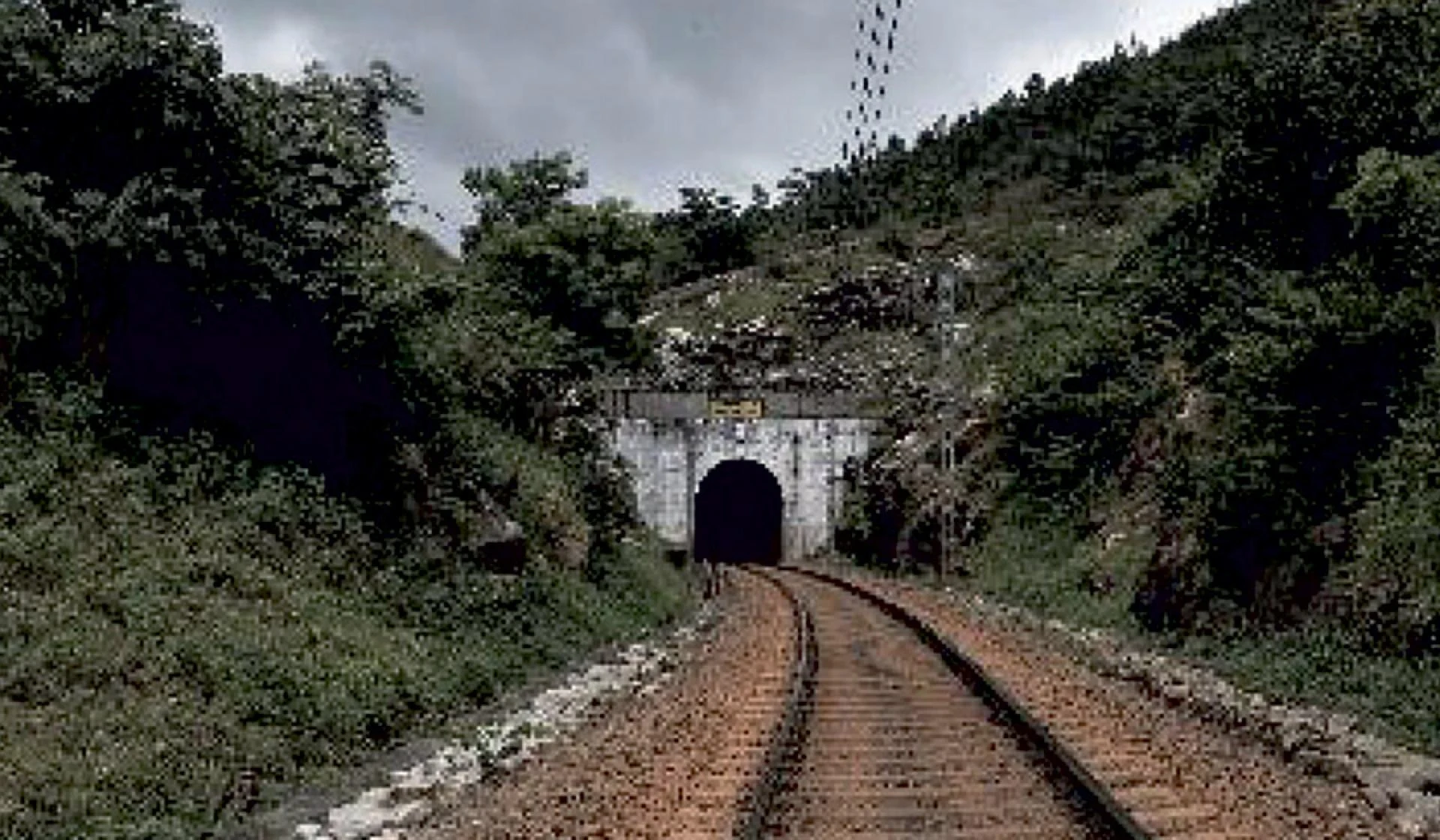

Exploring the Environmental Impact of Railroad Tunnels and Retaining Walls
Constructing retaining walls and railroad bridges in Oregon is a significant engineering feat with environmental responsibilities. While essential for transportation and support, these structures can disrupt local ecosystems, displace wildlife, and lead to increased soil erosion and altered water runoff patterns. However, we can mitigate these effects by carefully planning and implementing eco-friendly construction techniques, such as using absorbent materials and creating wildlife crossings.
By integrating environmental considerations into the design and building process, we can preserve natural habitats and maintain ecological balance while advancing our infrastructure. It\'s crucial to monitor these projects continuously to ensure minimal environmental impact and adapt strategies to protect our planet.
Habitat Disruption: A Challenge to Biodiversity
One of the biggest concerns when building railroad tunnels and retaining walls is the disruption of habitats. Animals, plants, and other organisms rely on their habitats to survive. When digging tunnels or erecting walls, we can disrupt these habitats, forcing animals to flee or find new homes.
Imagine a family of rabbits living peacefully in a meadow. Suddenly, construction workers arrive and start building a tunnel. The noise scares the rabbits, and they must abandon their burrows to find somewhere safer. This disruption can have a ripple effect on the entire ecosystem, affecting not just the rabbits but also the plants, insects, and other animals that rely on them.
Soil Erosion: The Silent Threat
Another area for improvement in building railroad tunnels and retaining walls is soil erosion. Soil erosion is when soil gets washed away by water or blown away by wind. This might not seem like a big deal initially, but soil erosion can have severe environmental consequences.
When soil erodes, it can carry nutrients and pollutants into nearby waterways, contaminating them and harming aquatic life. It can also reduce soil fertility, making it harder for plants to grow. This can lead to loss of biodiversity and even desertification in extreme cases.
Water Runoff: The Downhill Dilemma
Water runoff is another issue that can arise from building railroad tunnels and retaining walls. When it rains, water can\'t soak into the ground as quickly because of these structures, so it runs into nearby streams and rivers. This can cause flooding, erosion, and pollution downstream.
Think of it like a sponge. When you pour water onto a dry sponge, it soaks and holds onto it. But if you put a rock on top of the sponge, the water can\'t soak in as well, so it runs off the sides. The same thing happens with soil and water runoff.
Strategies for Minimizing Environmental Impact
Now that we\'ve explored some of the environmental impacts of railroad tunnels and retaining walls, let\'s talk about how to minimize these impacts and protect the environment.
Wildlife Corridors: Paths to Safety
One way to help mitigate the impact of habitat disruption is by creating wildlife corridors. These strips of land connect fragmented habitats, allowing animals to move safely between them. By building tunnels or bridges under or over railroad tracks and retaining walls, we can create these corridors and allow animals to travel without crossing dangerous obstacles.
These corridors help animals find food, mates, and shelter and increase genetic diversity by allowing different populations to interbreed. This is important for the long-term survival of many species, especially those already at risk due to habitat loss and fragmentation.
Erosion Control Measures: Keeping Soil in its Place
We can implement erosion control measures such as planting vegetation, building retaining walls, and using erosion control blankets to combat soil erosion. Vegetation, like grasses and trees, helps hold soil in place with their roots, preventing it from being washed or blown away.
Retaining wall company in Oregon can also help prevent soil erosion on slopes by providing a barrier to keep the soil in place. Erosion control blankets, made of biodegradable materials like straw or coconut fiber, can be laid over bare soil to protect it from erosion until vegetation can take root.
Green Infrastructure Integration: Nature and Technology Working Together
Integrating green infrastructure into railroad tunnels and retaining wall projects is another effective way to minimize environmental impact. Green infrastructure refers to using natural processes and systems to manage stormwater, reduce pollution, and enhance biodiversity.
For example, instead of building a traditional concrete retaining wall, we could use a green retaining wall made of plants and soil. These living walls provide habitat for wildlife, absorb rainwater, and reduce runoff. Similarly, green roofs on railroad tunnel entrances can help capture rainwater, provide insulation, and create a habitat for birds and insects.
Conclusion
In conclusion, constructing railroad tunnels and retaining walls, though essential for modern infrastructure, can pose environmental challenges. However, we can significantly reduce our ecological footprint by adopting sustainable practices such as establishing wildlife corridors, enforcing stringent erosion control protocols, and incorporating green infrastructure. These measures not only safeguard the natural habitat but also promote biodiversity. We must continue to innovate and apply environmentally conscious techniques in our engineering projects. After all, preserving the integrity of our planet is a collective responsibility, and every step we take toward sustainability is a step toward a better future for all. Remember, we have only one Earth and must nurture and protect it for future generations.










Sign in to leave a comment.