

Intimacy is a cornerstone of romantic relationships, fostering connection, trust, and mutual understanding. However, when erectile dysfunction (ED) enters the equation, it can significantly impact the dynamics of intimacy, often causing emotional strain and relational challenges. Addressing ED within relationships requires compassion, communication, and a willingness to explore solutions together. This blog explores the multifaceted aspects of ED in relationships, offering insights into navigating intimacy challenges and fostering a supportive environment for both partners.
Understanding Erectile Dysfunction
Erectile dysfunction, commonly referred to as impotence, is characterized by the consistent inability to achieve or maintain an erection sufficient for sexual intercourse. It can stem from various physical and psychological factors, including:
- Physical Causes: Such as cardiovascular disease, diabetes, hormonal imbalances, or neurological disorders.
- Psychological Causes: Such as stress, anxiety, depression, or relationship issues.
ED affects men of all ages, although its prevalence increases with age. It\'s essential to recognize that ED is not solely a physical issue but can also have profound emotional and relational implications.
Impact on Relationships
When ED becomes a recurring issue, it can strain even the strongest of relationships. Both partners may experience a range of emotions, including frustration, disappointment, guilt, and inadequacy:
For the Partner with ED: Feelings of embarrassment, loss of masculinity, and fear of rejection are common. The pressure to perform can exacerbate anxiety, creating a cycle of avoidance.
For the Partner Without ED: Feelings of confusion, concern for their partner\'s well-being, and a sense of sexual dissatisfaction may arise. There might also be uncertainty about how to provide support without making their partner feel pressured.
Communication is Key
Open and honest communication is fundamental when addressing ED in a relationship. It\'s essential to create a safe space where both partners can express their feelings and concerns without judgment. Here are some communication strategies to consider:
Initiate the Conversation: Approach the topic gently and with empathy. Express your concerns and reassure your partner that you\'re there to work through the challenges together.
Active Listening: Pay attention to each other\'s feelings and perspectives. Validate each other\'s emotions and avoid placing blame or making assumptions.
Explore Solutions Together: Discuss potential causes of ED and explore treatment options collaboratively. This might involve medical interventions, lifestyle changes, or seeking professional counseling.
Seeking Professional Help
In many cases, seeking guidance from healthcare professionals specializing in sexual health can provide clarity and support. A healthcare provider can conduct a thorough evaluation to identify underlying causes and recommend appropriate treatment options, which may include:
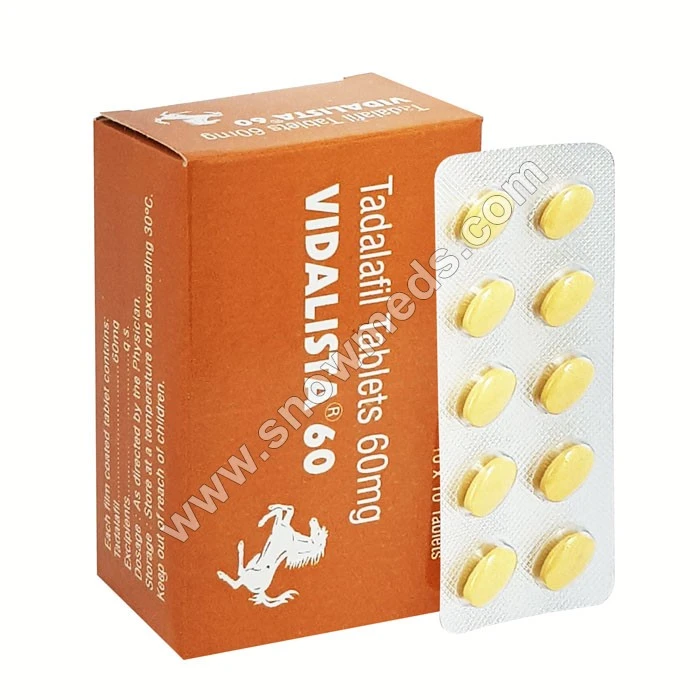
Medications: Such as oral medications like sildenafil (Viagra), tadalafil (Cialis), or vardenafil (Levitra) that enhance erectile function.
Therapy: Cognitive-behavioral therapy (CBT) or couples therapy can help address underlying psychological factors contributing to ED and improve communication within the relationship.
Lifestyle Changes: Adopting a healthy lifestyle, including regular exercise, a balanced diet, stress management techniques, and reducing alcohol and tobacco use, can also have a positive impact on erectile function.
Navigating Intimacy Challenges
While addressing ED, couples can explore alternative ways to foster intimacy beyond sexual intercourse. Intimacy is about emotional closeness and connection, which can be expressed in various forms:
Emotional Intimacy: Engage in open conversations, share thoughts and feelings, and demonstrate empathy and support for each other.
Physical Intimacy: Explore non-sexual physical touch, such as cuddling, hugging, and kissing, to maintain physical connection and affection.
Exploring New Activities: Discover new hobbies or activities together to strengthen your bond and create shared experiences outside of the bedroom.
Building a Supportive Relationship
Coping with ED requires patience, understanding, and mutual support. Here are some tips for building a supportive relationship:
Practice Empathy: Put yourself in your partner\'s shoes and strive to understand their perspective without judgment.
Celebrate Progress: Acknowledge and celebrate improvements, whether they\'re small steps or significant milestones in managing ED.
Maintain Positivity: Focus on the strengths of your relationship and remind each other of the love and commitment you share.
Conclusion
Navigating erectile dysfunction in relationships involves addressing physical, emotional, and relational aspects with compassion and understanding. By fostering open communication, seeking professional guidance, and exploring alternative forms of intimacy, couples can navigate these challenges together. Remember, overcoming ED is a journey that requires patience, resilience, and a commitment to supporting each other through both the highs and lows of the experience.
In summary, while ED may pose challenges, it also presents opportunities for growth and deeper connection within relationships. By approaching these challenges with empathy and proactive communication, couples can strengthen their bond and cultivate a fulfilling relationship despite the obstacles they face.
🌐 Visit us at www.trimixnow.com
📍 Location: 162 Village Blvd APT H, Tequesta, FL 33469, United States











Sign in to leave a comment.