
Modern retail businesses face constant pressure to manage inventory accurately, deliver seamless customer experiences, and maintain real-time visibility across operations. An ERP for retail stores plays a vital role in overcoming these challenges by unifying all core retail processes into a single, intelligent platform.
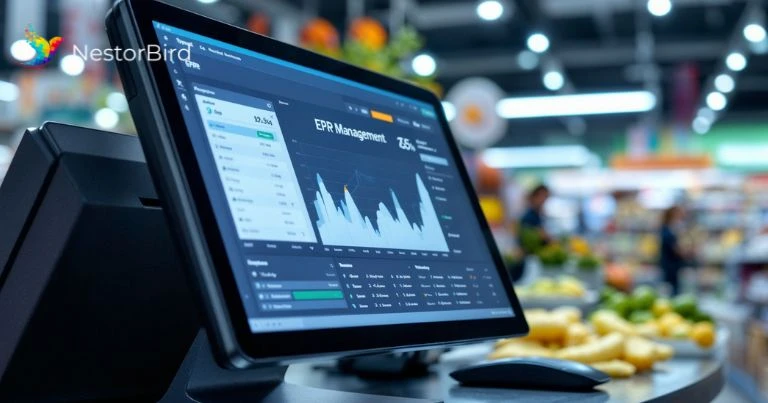
An ERP solution for retail integrates inventory management, point of sale (POS), supply chain, finance, CRM, and reporting. Instead of working with disconnected systems, retailers gain a centralized view of their business, enabling faster decision-making and better control over daily operations.
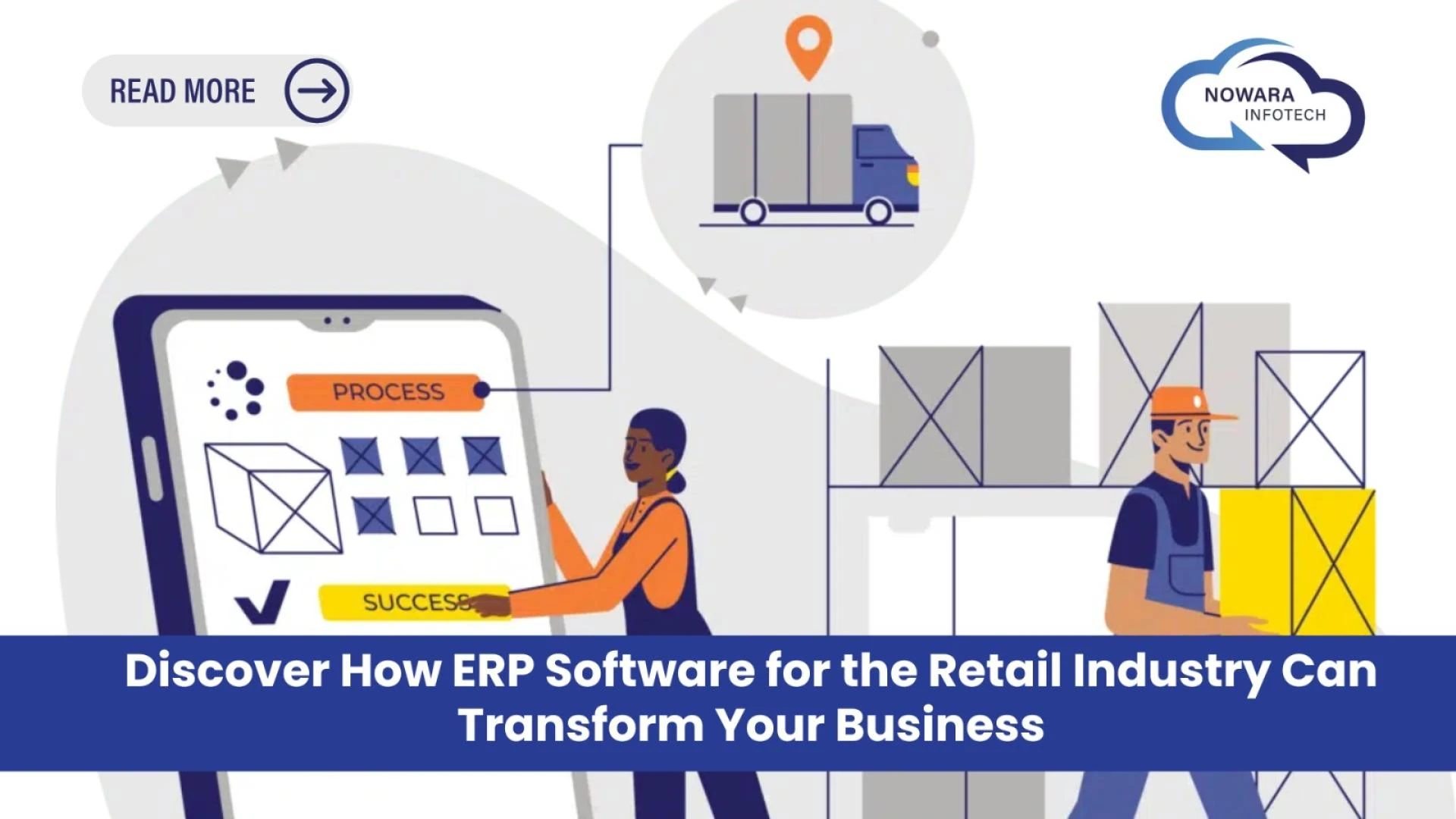
One of the biggest advantages of using an ERP for retail stores is real-time inventory visibility. Retailers can track stock levels across multiple locations, reduce stockouts, avoid overstocking, and improve demand forecasting. This directly impacts customer satisfaction, as products are available when and where customers need them.
Financial management also becomes simpler and more accurate with a retail ERP system. Automated accounting, tax compliance, and financial reporting help retailers reduce manual errors and close books faster. At the same time, integrated sales and customer data provide valuable insights into buying behavior, promotions, and seasonal trends.
Cloud-based solutions like NetSuite retail ERP offer scalability and flexibility, making them ideal for growing retail businesses. Whether managing a single store or a multi-location retail chain, ERP software adapts to business growth while ensuring data security and accessibility from anywhere.
Implementing an ERP for retail stores is not just a technology upgrade—it’s a strategic move toward operational efficiency, improved customer experience, and sustainable growth in a competitive retail market.
By adopting the right ERP solution, retail businesses can stay agile, data-driven, and ready to meet evolving market demands.
Why Retailers Need ERP
Retail businesses often struggle with fragmented systems that lead to inefficiencies, stockouts, and missed sales opportunities. ERP software eliminates these issues by offering real-time visibility into inventory, sales, and finances. With a centralized system, managers can make faster, data-driven decisions, optimize workflows, and enhance operational efficiency.
Key Benefits of ERP for Retail Stores:
- Inventory Management: Track stock levels across multiple locations in real-time, reduce overstock and stockouts, and optimize purchasing strategies.
- Integrated Sales & POS: Seamlessly connect point-of-sale systems with backend operations for accurate sales tracking and reporting.
- Financial Automation: Simplify accounting, tax compliance, and financial reporting, minimizing errors and saving valuable time.
- Customer Insights: Gain actionable insights into customer behavior, loyalty, and purchasing trends to enhance marketing strategies.
- Scalability: Cloud-based ERP solutions like NetSuite allow retail businesses to scale operations easily while maintaining security and accessibility.
Implementing an ERP for retail stores is more than just a software upgrade—it’s a strategic move to streamline operations, improve customer satisfaction, and drive sustainable growth. Whether you run a single outlet or a multi-location retail chain, ERP software equips your business to adapt quickly to market demands.
About KPI
KPI is a leading provider of ERP solutions, helping retail businesses in the UAE and beyond transform their operations with cutting-edge technology. Their expertise ensures smooth implementation and ongoing support to maximize ROI.
Contact KPI for ERP Solutions:
- Office: 310, Dubai Supreme Court Complex, Umm Hurair 2, PO Box 121395, Dubai, UAE
- Phone: +971 4 455 10 10
- Email: hello@kpi.co
- Website: https://kpi.co/netsuite-retail-erp
Investing in an ERP system today prepares your retail business for the challenges of tomorrow. Take the step toward efficiency, smarter operations, and enhanced profitability with KPI’s ERP solutions.





Sign in to leave a comment.