
Introduction
Early learning centres rely on steady preparation, quiet organisation, and resources chosen for children’s real daily needs. Young learners move between eating, toileting, rest, play, and comfort many times each day. Educators need materials that protect health, reduce cross-infection, and support development without slowing care routines. A well-equipped setting gives families confidence, while staff can focus on observation, reassurance, and responsive supervision.
1. Health and Hygiene Basics
Clean practice begins with accessible childcare supplies, since shared surfaces, mouthed toys, bathroom areas, and meal spaces can spread germs quickly. Reliable access to child care supplies in Sydney helps centres maintain consistent hygiene standards and respond promptly to everyday health and safety needs. Centres need gloves, tissues, wipes, liquid soap, sanitiser, covered bins, liners, and childcare-safe disinfectant. Storage should be visible but secure. Staff must be able to reach hygiene items quickly during spills, fever checks, toileting accidents, and respiratory symptoms.
2. First Aid Supplies
First aid materials should be complete, labelled, and placed near activity zones. Kits need sterile dressings, adhesive strips, cold packs, digital thermometers, saline, gloves, tweezers, and wound-cleansing products suitable for children. Allergy plans, incident forms, emergency contacts, and medication records should be kept close by. Scheduled audits prevent expired stock from being discovered during urgent care.
3. Feeding Essentials
Meal routines need equipment that supports safe swallowing, hygiene, and allergy control. Centres should stock bowls, plates, cups, bibs, feeding spoons, bottle warmers, labels, sealed food tubs, and high chairs where age groups require them. Colour-coded containers can reduce dietary errors. Washable cloths and surface spray help staff reset tables between children.
4. Sleep and Rest Items
Rest spaces should support temperature control, airway safety, and predictable settling. Centres need cots, sleep mats, fitted sheets, light blankets, washable covers, and labelled bedding storage. Safe sleep guidance should direct spacing, positioning, and checks. Spare linen matters, as reflux, sweating, and toileting accidents are common. Dim lighting and quiet materials help tired children regulate after active periods.
5. Nappy Change Supplies
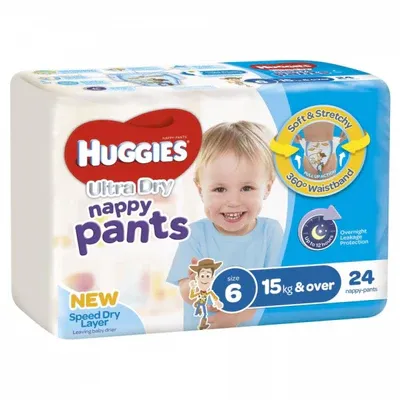
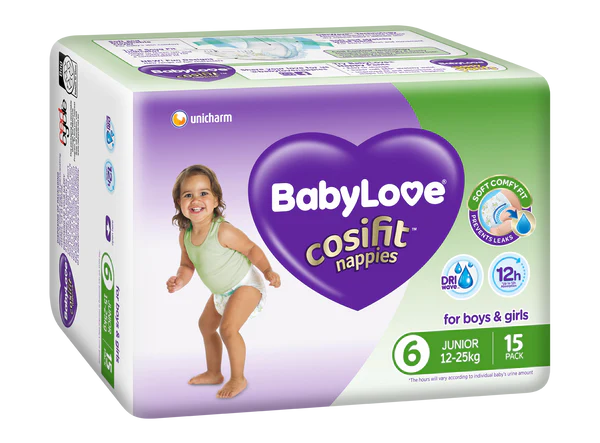
Infant and toddler rooms require consistent nappy-changing supplies. Useful items include nappies, wipes, barrier creams, gloves, change mats, disposal bags, and lidded bins. Personal products should be labelled and separated. Cleaning spray and paper towel must remain within adult reach, away from small hands. A simple record supports skin monitoring, hydration clues, and comfort patterns.
6. Learning Materials
Early learning materials should invite exploration without crowding the room. Centres benefit from blocks, puzzles, books, counting tools, art paper, crayons, paint, glue, scissors, sensory trays, and music resources. Each item should match developmental stage and grip strength. Rotating activities preserves attention. Sturdy tubs make pack-up easier and encourage children to restore order.
7. Outdoor Play Gear
Outdoor provision should build strength, balance, coordination, and confidence. Centres need balls, hoops, ride-on toys, sand tools, water play items, shade, hats, sunscreen, and drinking stations. Surfaces require inspection after rain, heat, or heavy use. Spare clothing and towels help children return indoors dry, comfortable, and ready for the next routine.
8. Safety and Room Setup
Safety depends on details adults may stop noticing. Centres need outlet covers, corner guards, safety gates, door stoppers, non-slip mats, cupboard locks, and clear labels. Furniture should be stable, low, washable, and spaced for movement. Walkways must remain open. Visual cues can support handwashing, allergy alerts, evacuation routes, and room capacity.
9. Storage and Labelling
Order reduces stress for children and staff. Clear tubs, picture labels, hooks, lockers, baskets, and locked cabinets each serve a purpose. Hazardous materials require secure placement above child height or behind locks. Everyday items should stay within adult reach. Consistent locations help children predict routines, find belongings, and practise independence with less prompting.
10. Communication Tools
Reliable records protect children and strengthen family trust. Centres need sign-in sheets, notice boards, clipboards, pens, folders, labels, and secure storage for confidential documents. Digital platforms can help, although paper backups remain useful during outages. Clear tools support attendance checks, health updates, medication notes, family messages, and timely follow-up after incidents.
Conclusion
The right resources make an early learning centre safer, calmer, and easier to manage. Hygiene materials, first aid kits, feeding equipment, rest items, learning tools, outdoor gear, and safety products each carry daily responsibility. Stock should be checked regularly, with suitability reviewed as children grow. Careful preparation protects health, reduces avoidable delays, and gives educators more time for attentive, developmentally aware care.






















Sign in to leave a comment.