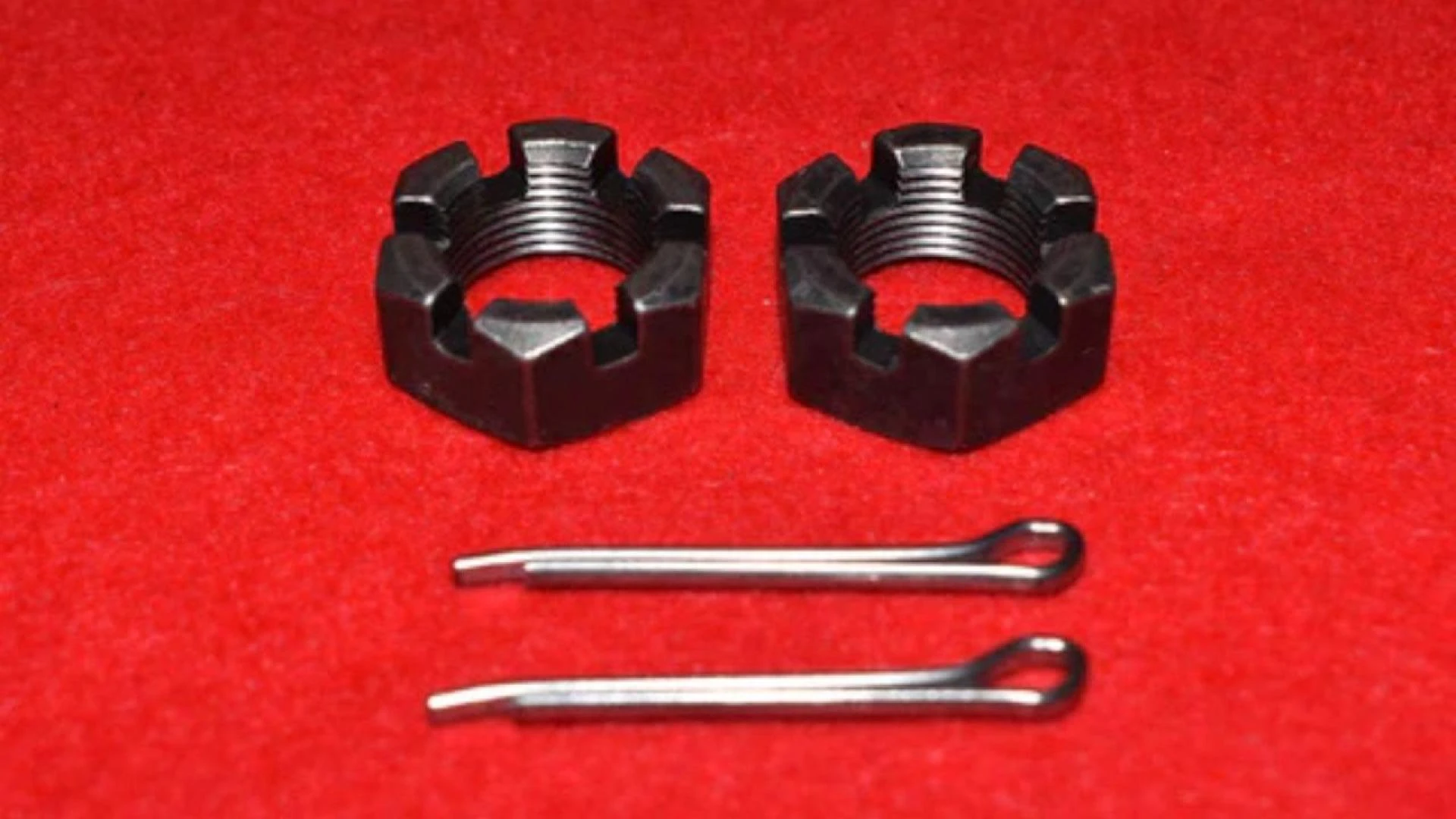

Restoring classic Corvettes requires accuracy, dependability, and a strong grasp of vehicle-specific components. Among the most critical steps in the process is selecting the right supplier for small parts. From brake hardware to bumper brackets and underbody components, these elements directly impact the fit, function, and finish of the restoration. Choosing reliable Corvette small parts suppliers ensures that restorers receive accurate replacements built to match original specifications.
Let’s explore the key factors to consider when selecting reliable suppliers for high-quality Corvette small parts.
Compatibility with Vehicle Year and Model
Corvette small parts vary significantly depending on the year and body style. For instance, many suppliers categorize items based on C2 or C3 generations (e.g., models from 1963 to 1967 or 1968 to 1982). Ensuring compatibility starts with selecting a supplier that identifies model-specific information. Reputable sources list exact fitment ranges, such as the “1968-1982 Corvette Headlight Actuator Relay Bracket,” which eliminates guesswork and supports the proper installation.
Moreover, specialized suppliers often maintain an organized catalog that separates components for the interior, suspension, underbody, and engine bay. This structure enables restorers to locate precise hardware, such as hood latch catch support brackets or front sway bar mount brackets, without confusion or the need for cross-referencing.
Quality and Material Specifications
Corvette restorers frequently seek OE-style or factory-correct hardware. Trusted Corvette small parts suppliers focus on delivering parts manufactured from quality materials with attention to original specifications. For instance, items such as shifter linkage brackets, battery hold-down bolts, and cross-member insulator mounting kits should be made from durable steel, properly finished to resist corrosion, and dimensionally accurate to the original designs.
Suppliers that include hardware kits with clearly labeled contents offer additional value. For example, front sway bar hardware kits often list the included bolts, brackets, and bushings. This transparency in material specification and completeness ensures that restorers can install parts with confidence, knowing the fit and function will meet expectations.
Inventory Range and Organization
A supplier’s inventory breadth is another important consideration. Corvette restorations often require a mix of common and rare parts across multiple systems—interior, suspension, lighting, engine bay, and underbody. Corvette small parts suppliers in the USA with well-organized inventories enable buyers to locate both standard items, such as hood release cable brackets, and more specific ones, like washer pump mounting brackets, for defined year spans.
The categorization of parts by assembly location (e.g., rear suspension vs. interior trim) and by part type (e.g., brackets vs. hardware kits) reflects a supplier’s commitment to clarity and utility. This structure is particularly useful for restorers managing phased projects, allowing them to order components as needed without having to sift through unrelated parts.
Fitment Accuracy and Technical Detailing
One of the key factors that sets apart experienced suppliers is the inclusion of technical details alongside each part. Listings that reference OEM-style construction, mounting points, or part-specific functions (such as actuator mount brackets or sway bar link kits) help restorers make informed purchasing decisions. Dimensions, bolt patterns, and function-specific information reduce the risk of ordering errors.
Reliable suppliers also include visual references when possible. High-resolution images showing brackets, hardware layouts, or installed parts provide a clear representation of what buyers can expect to receive. This attention to technical precision reflects a deep understanding of restoration needs and supports buyers seeking exact-fit replacements for aging or corroded components.
Product Availability and Restocking
Consistency in product availability is vital during long-term restoration work. Suppliers that maintain steady inventory levels or provide clear restock timelines contribute to smoother project timelines. Corvette restorers often plan purchases around restoration phases; thus, having predictable access to parts like console mounting brackets or frame reinforcement brackets supports efficiency.
Some suppliers also label their inventory with availability statuses or offer alerts when items are back in stock. These practices are particularly beneficial when sourcing less common parts that may be produced in limited batches.
Conclusion
Choosing Corvette small parts suppliers is a decision that directly impacts the quality and reliability of a restoration project. Key factors include compatibility with specific Corvette models, adherence to original equipment (OE) specifications, clarity of technical information, and availability of a comprehensive parts catalog.
Suppliers with organized inventories, detailed product descriptions, and reliable stocking practices offer significant advantages to both restoration professionals and enthusiasts. Prioritizing these elements ensures each component contributes to the vehicle’s structural and visual integrity.



























Sign in to leave a comment.