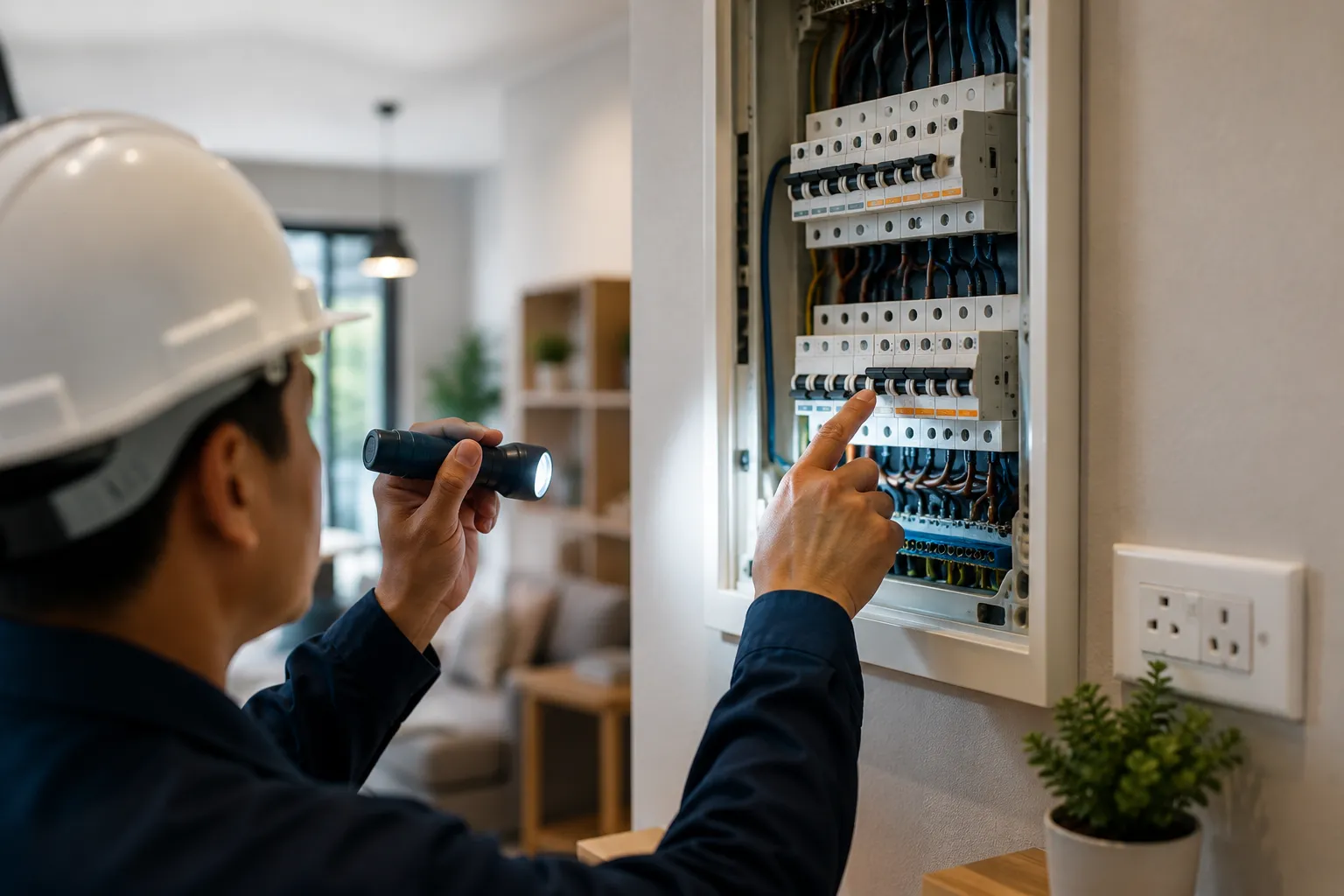

Moving into a new home is an exciting milestone. Between unpacking boxes, buying furniture, setting up internet service, and decorating every room, it's easy to overlook one of the most important priorities: electrical safety.
Electrical problems remain one of the leading causes of residential fires in the United States. Whether you're moving into a newly built home or an older property, taking time to inspect the electrical system can help prevent accidents, protect your appliances, and even reduce your energy costs. If you're building a new home, verify that the electrical installation follows current electrical codes and uses high-quality materials from the start.
Electrical Safety Tips for New Homeowners
Here are a few essential electrical safety tips every homeowner should follow.
1. Perform a Complete Electrical Inspection
Start by testing every switch, outlet, and light fixture in your home. Make sure outlets are securely installed, switches work properly, and all fixtures use the correct bulb wattage recommended by the manufacturer.
Pay special attention to kitchens, bathrooms, laundry rooms, garages, and outdoor outlets. These areas should have Ground Fault Circuit Interrupter (GFCI) protection to reduce the risk of electric shock. It's also worth confirming that your electrical panel is clearly labeled and easily accessible in case of an emergency.
2. Watch for Warning Signs
Small electrical issues often become expensive repairs if ignored. Contact a licensed electrician if you notice any of the following:
- Burning smells near outlets or switches
- Buzzing or humming sounds from outlets or walls
- Frequently tripped circuit breakers
- Flickering or dimming lights
- Warm or discolored outlets
- Loose plugs that no longer fit securely
These warning signs could indicate overloaded circuits, faulty wiring, or damaged electrical components that require immediate attention.
3. Protect Electrical Wiring
Electrical wiring should always be properly insulated and protected. Exposed wiring should never be left uncovered, and cables installed outdoors or in unfinished areas should be enclosed in durable electrical conduit.
Avoid running power cords under rugs, carpets, or heavy furniture, as this can damage the insulation over time and increase the risk of overheating.
4. Leave Electrical Repairs to Professionals
Replacing a light fixture is one thing, but rewiring circuits, upgrading panels, or installing new outlets should always be handled by a licensed electrician.
Modern homes often include smart home devices, backup power systems, and EV chargers that require properly designed electrical circuits. Attempting DIY electrical work without the necessary knowledge can create serious safety hazards and may even violate local building codes.
5. Unplug Devices When They're Not in Use
Small appliances, chargers, and electronics continue to draw electricity even when turned off. Unplug devices you don't use regularly or use smart power strips to reduce standby power consumption and improve energy efficiency.
Avoid plugging multiple high-power appliances, such as microwaves, portable heaters, or air conditioners, into the same extension cord or power strip.
6. Protect Your Electronics from Power Surges
Today's homes contain more valuable electronics than ever, including smart TVs, gaming consoles, laptops, security systems, and connected appliances.
Install surge protectors for sensitive electronics and consider a whole-home surge protection device to help safeguard your electrical system from lightning strikes and power fluctuations.
7. Test Safety Devices Regularly
Your home's safety devices should be checked throughout the year. Test smoke alarms and carbon monoxide detectors monthly, replace batteries when needed, and verify that Arc Fault Circuit Interrupters (AFCIs) and GFCIs function correctly by using their built-in test buttons.
These devices can detect electrical faults before they become serious hazards.
Final Thoughts
Electrical safety isn't something to think about only after moving in. A few simple inspections and preventive measures can protect your family, extend the life of your appliances, and reduce the risk of electrical fires.
If you notice any warning signs or are unsure about the condition of your home's electrical system, schedule an inspection with a qualified electrician. A professional assessment today can help prevent costly repairs and dangerous situations in the future.





















Sign in to leave a comment.