
The creation of engaging tabletop roleplaying games is more than just rolling dice or making up stories. For many players or game masters out there, the challenge is in creating a world that feels alive and immersive while at the same time keeping all aspects organized. Whether it is dealing with plots or cultures, it can all get overwhelming if you don’t have the right guidance.
This is where roleplaying game guides and structured tools come in. They provide practical methods, frameworks, and resources to help storytellers transform creative ideas into fully realized campaigns. By integrating these guides into your workflow, you can focus on the fun part of storytelling: engaging your players in adventures that resonate and surprise.
Why Guides Are Important for Storytelling
Even the most creative and imaginative game makers can struggle when there is no structure in the campaign they’re running. Without guidelines on how to effectively handle world-building, character-building, and storytelling, the game may be disjointed, confusing, and unsatisfying.
- Maintain consistency across sessions
- Develop logical and interconnected world elements
- Track character arcs, conflicts, and plotlines
With a structured method, your campaigns become richer, making each session even more engaging and enjoyable for your players. Secondly, guides promote thought and planning, enabling storytellers to realize possible gaps in their story before they occur in the game. This, in turn, can help prevent confusion and ensure meaningful storytelling is achieved.
Organizing Your Campaign with Practical Tools
There are several roleplaying guides that focus on the importance of organization. Organization is key to preventing continuity errors and can make the game easier to play. Some of the tools and methods used include:
- Digital campaign managers: Centralize session notes, track ongoing quests, and record important NPC details.
- Interactive character trackers: Keep a detailed record of player stats, abilities, and inventories.
- Plot and event planners: Visualize story arcs, conflicts, and potential twists for better pacing.
Using these tools in conjunction with the roleplaying game guides will help you spend less time trying to remember everything and more time creating engaging stories. Organization will also help you revisit old storylines and add to them. Old storylines can help create new ones, adding a sense of continuity to your world. It makes the world feel alive, as if the actions taken have real-world consequences.
Worldbuilding: The Heart of Immersive Campaigns
A well-developed setting is key to captivating your players. Guides that concentrate on worldbuilding can assist you in building:
- Geography, climates, and political landscapes
- Cultural traditions, religions, and social structures
- Economies, trade systems, and resource management
- History and lore that influence character motivations and conflicts
Enhancing Storytelling Through Structure
Guides offer frameworks for:
- Crafting compelling conflicts and resolutions
- Plot development and pacing
- Integrating character arcs with the overarching story
- Balancing predictable and surprising elements
Through these guidelines, the game master is encouraged to include recurring themes and consistency in themes, which can lead to the game sessions being part of a larger narrative. By planning the story's climax, the game master is able to ensure that each session is building up to a memorable moment.
Leveraging Community and Expert Knowledge
Roleplaying guides often draw on the experience of seasoned storytellers. By consulting these resources, you gain insight into:
- Techniques for solving common campaign challenges
- Methods to enhance player immersion and engagement
- Examples of innovative storylines and creative mechanics
By learning from the experiences and mistakes of others, you can also avoid common mistakes and create your own unique style of storytelling. The contributions of others can also give you new ideas and inspire you to create something unique, such as new plot twists, character motivations, and environmental settings, especially when it comes to political intrigue, magic, and cultural differences, which can be seen in the experiences and ways of other game masters.
Making Every Campaign Memorable
At the end of the day, the best campaigns are those that spark conversations long after the dice are packed away. The right combination of structured guides with organized tools, creative prompts, and careful planning results in:
- Craft worlds that feel lived-in and consistent
- Keep players invested in long-term storylines
- Deliver experiences that are both fun and meaningful
The right ones give you the confidence to delve into complex ideas without sacrificing clarity and coherence in the process. They ensure that every session is building on the last. They also encourage reflection, so game masters can review previous sessions and tailor future adventures accordingly.
Conclusion
Creating memorable campaigns requires more than imagination—it requires planning, structure, and insight. With dedicated guides and practical tools, storytellers can elevate their games, deepen player engagement, and create worlds that feel alive.
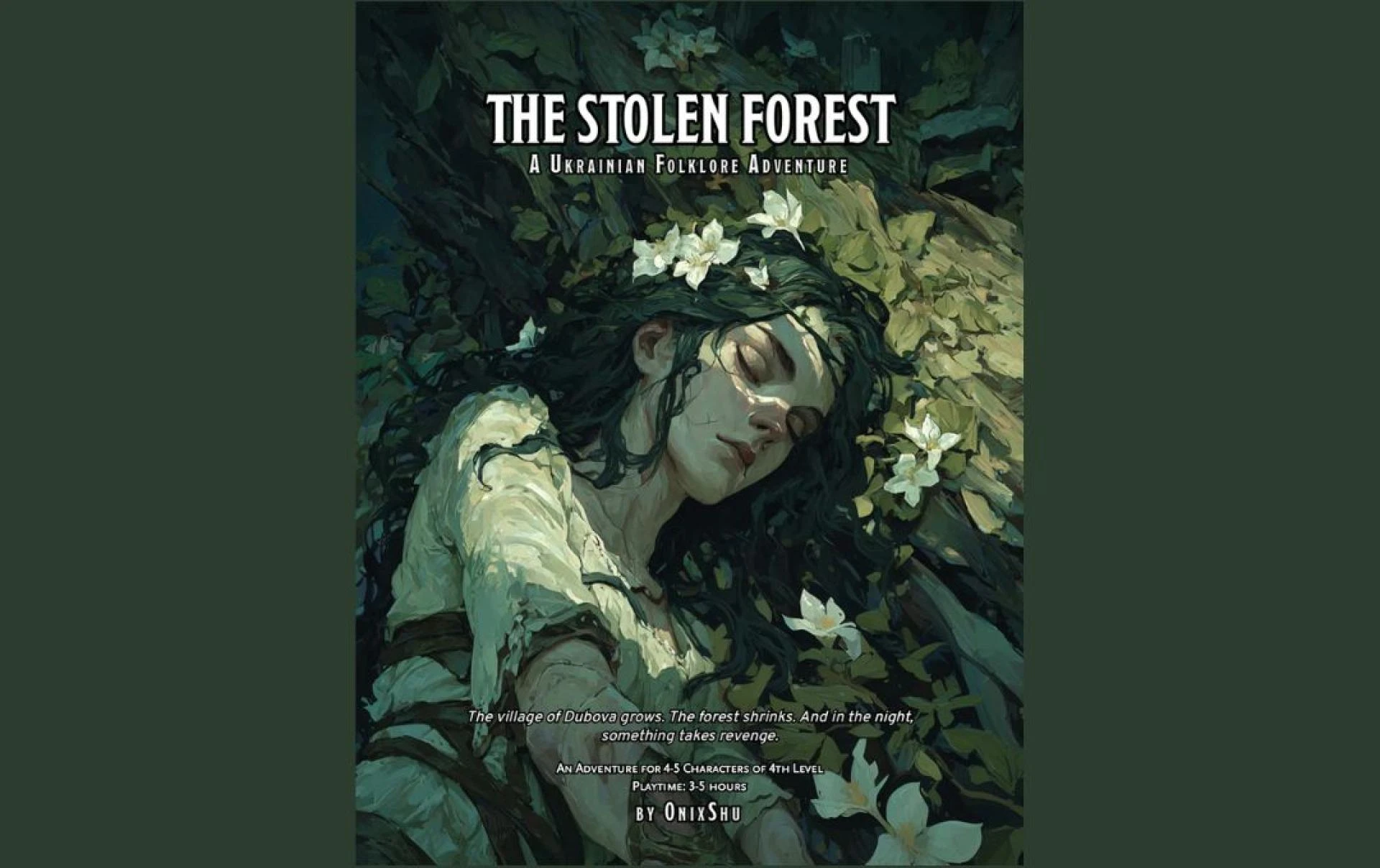
If you are looking for professional guidance and structured resources, OnixShu Fantasy Workshop is here to help you. They provide books and tools designed to enhance creativity, improve storytelling, and help every campaign reach its full potential.









Sign in to leave a comment.