Job interviews are a crucial part of the hiring process, and succeeding in them is a key step toward securing your next career opportunity. Whether you're a job search veteran or taking a interview preparation is about more than just knowing the right answers. It’s about presenting yourself as a confident, prepared, and capable candidate who is eager to contribute. Below are detailed tips on how to excel in your job interviews and make a lasting impression.
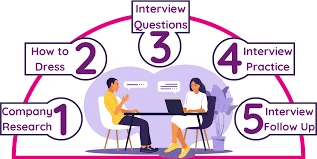
1. Research the Company and the Role
Before the interview, it’s essential to know everything you can about the company and the job position you’re applying for.
Why It’s Crucial:
Research shows the employer that you are genuinely interested in the company and the role, not just the job itself. Demonstrating knowledge about the company’s values, culture, and recent projects shows that you’ve put in the effort and are serious about the opportunity.
How to Do It:
- Visit the company’s website and read up on their mission, values, and services/products.
- Check out recent news about the company through online articles or press releases.
- Understand the company culture by reviewing their social media accounts, such as LinkedIn or Glassdoor.
- Review the job description carefully to align your qualifications with the position’s requirements.
Example in Action:
When asked, “Why do you want to work here?” you can say:
"I’ve been following [Company Name] for years and admire your commitment to sustainability. Your recent initiative to reduce waste and carbon emissions aligns with my personal values and my experience in environmental management."
2. Prepare for Common Interview Questions
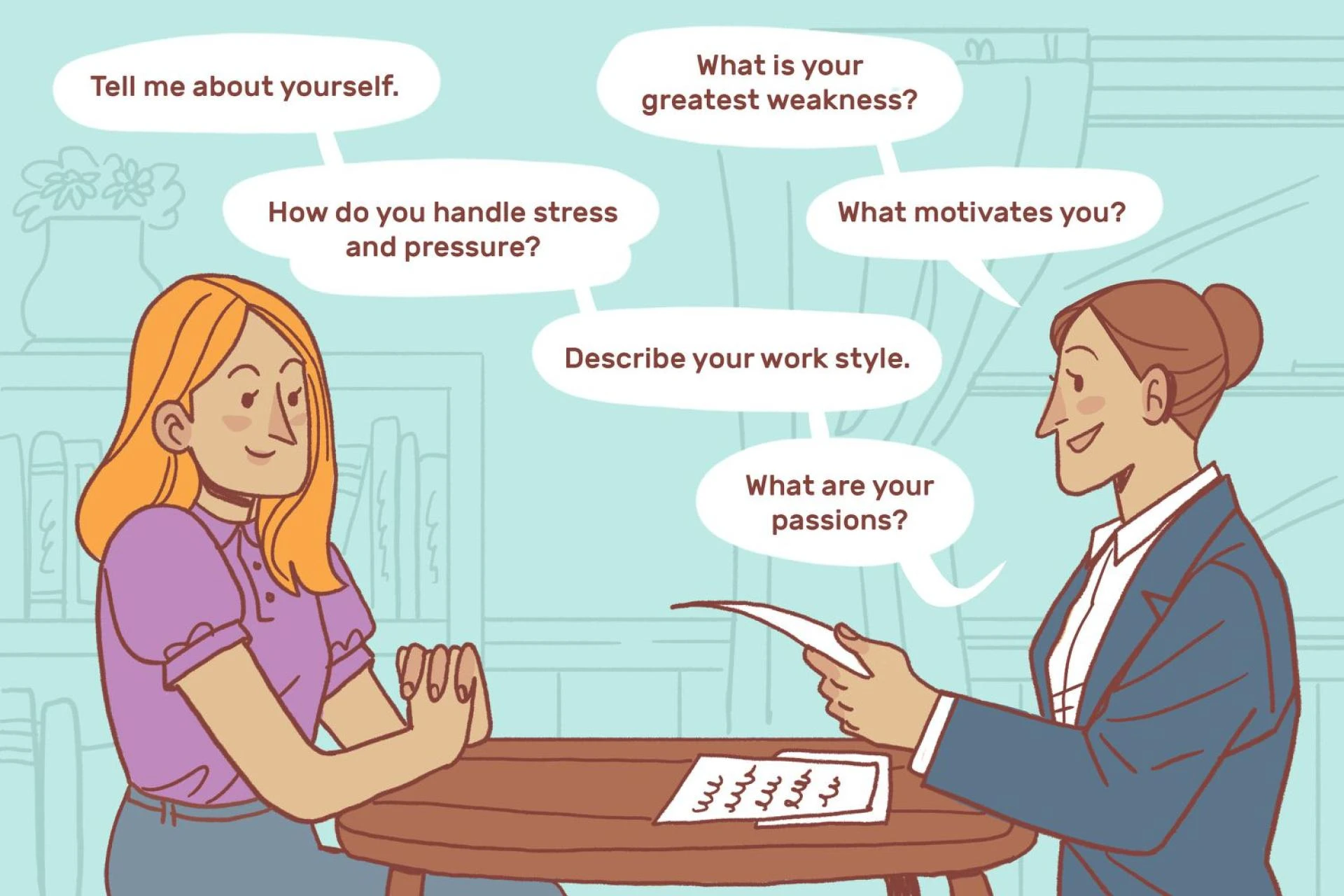
Every job interview will include some basic questions, but you can stand out by answering them with confidence and clarity.
Typical Questions You’ll Encounter:
- “Tell me about yourself.”
- “What are your strengths and weaknesses?”
- “Why do you want to leave your current job?”
- “Where do you see yourself in five years?”
- “Tell me about a time you faced a challenge at work and how you handled it.”
Pro Tip: Use the STAR Method
For behavioral questions, the STAR method (Situation, Task, Action, and Result) is an effective way to structure your answers. By breaking down your responses into clear, digestible points, you’ll come across as organized and articulate.
Example:
Q: “Tell me about a time you led a project.”
A:
- Situation: “In my previous job, we were tasked with launching a new software system, and the deadline was fast approaching.”
- Task: “I was the project manager responsible for ensuring all deadlines were met, and the system was delivered on time.”
- Action: “I organized weekly meetings, delegated tasks based on team strengths, and set up a shared project management tool for better communication.”
- Result: “We launched the software two weeks ahead of schedule, which resulted in a 20% increase in productivity.”
3. Dress for Success
Your appearance is the first thing an interviewer will notice, and it can set the tone for the entire conversation.
How to Dress:
- Formal Settings (Corporate Jobs): Wear a suit or a professional dress, ensuring it fits properly.
- Business Casual (Creative or Tech Roles): Opt for a button-down shirt, smart pants, and polished shoes.
- Casual Workplaces (Startups, etc.): You can go for smart-casual, but avoid looking too relaxed.
Tips for Virtual Interviews:
- Dress professionally from head to toe (you never know if you’ll need to stand up).
- Choose a neutral, tidy background to avoid distractions.
- Test your tech beforehand to ensure everything works smoothly.
4. Body Language and Non-Verbal Communication
What you say in an interview is important, but how you present yourself matters just as much. Your body language gives interviewers valuable insight into your confidence and enthusiasm.
Key Tips for Positive Body Language:
- Maintain Eye Contact: It shows engagement and confidence.
- Smile Often: A friendly smile conveys approachability and positivity.
- Sit Up Straight: Good posture portrays professionalism and confidence.
- Avoid Fidgeting: Don’t cross your arms or tap your feet—this may suggest nervousness or disinterest.
- Gesture Naturally: Use hand gestures to emphasize key points, but don’t overdo it.
In virtual interviews, it’s just as important to maintain eye contact—look at the camera, not the screen, to simulate direct interaction.
5. Be Clear and Concise in Your Answers
While it's important to provide detailed answers, rambling can make you appear unprepared or less confident.
How to Structure Your Answers:
- Be Direct: Answer the question directly before elaborating.
- Keep It Relevant: Focus on your skills and experiences that are most relevant to the position.
- Be Concise: Practice answering questions in 2-3 sentences.
Example:
Q: “Tell me about yourself.”
A: “I’m a marketing professional with 5 years of experience managing cross-channel campaigns. In my last role, I led a project that increased web traffic by 40% through a targeted social media strategy. I’m now looking for a position where I can further develop my skills in content strategy and drive growth for a dynamic company like yours.”
6. Ask the Right Questions
Interviewers will usually give you the opportunity to ask questions. This is your chance to show that you’re genuinely interested in the company and the role.
Best Questions to Ask:
- “What are the key challenges the team is currently facing?”
- “How do you measure success in this role?”
- “Can you tell me about the team I’ll be working with?”
- “What are the next steps in the interview process?”
Avoid asking about salary, benefits, or vacation time in the first interview unless the employer brings it up.
7. Be Honest About Your Experience
Honesty is crucial in interviews, and misrepresenting your skills can backfire. If you’re asked about a skill you don’t have, acknowledge it and explain how you’re willing to learn.
How to Address Gaps or Shortcomings:
If you have a gap in your employment history, be transparent and frame it as a period of growth. For example:
“I took a year off to focus on personal development and take courses in [area of growth], which has made me better prepared for this role.”
8. Follow Up with a Thank-You Note
Sending a thank-you note is an essential step after an interview. It shows appreciation for the interviewer's time and reinforces your interest in the position.
What to Include:
- A personal thank you for their time.
- Reference something specific you discussed during the interview.
- Reaffirm your enthusiasm for the role.
Example:
“Dear [Interviewer’s Name],
Thank you for the opportunity to interview for the [Position Name] position. I really enjoyed our conversation, especially hearing more about [specific topic]. I’m very excited about the possibility of joining your team and contributing to [specific project or goal]. Thank you again for your time.
Best regards,
[Your Name]”
9. Be Prepared for Assessment Tests
Many companies now conduct assessments as part of the interview process to test your technical skills or problem-solving abilities.
How to Prepare:
- Review the job description to identify potential areas where you may be tested.
- Practice tests if they are specific to your field (e.g., coding tests, writing samples).
- Brush up on your relevant skills, tools, and technologies used in the role.
10. Be Yourself and Stay Confident
Above all, the best tip is to be yourself. Authenticity will help you build rapport with the interviewer and show that you’re a good cultural fit for the company.
How to Stay Confident:
- Believe in your abilities—remember that you’re interviewing for a reason.
- Practice your answers out loud to feel more comfortable.
- Take deep breaths if you start to feel nervous.
Confidence, combined with preparation, is key to a successful interview.
Final Thoughts
Acing your interview requires preparation, research, and the ability to communicate effectively. By following these tips, you can approach your interview with confidence and make a lasting impression on the interviewer. Every interview is a chance to learn, grow, and refine your technique, so even if you don’t land the job, use it as a stepping stone for future opportunities. Good luck!



























Sign in to leave a comment.