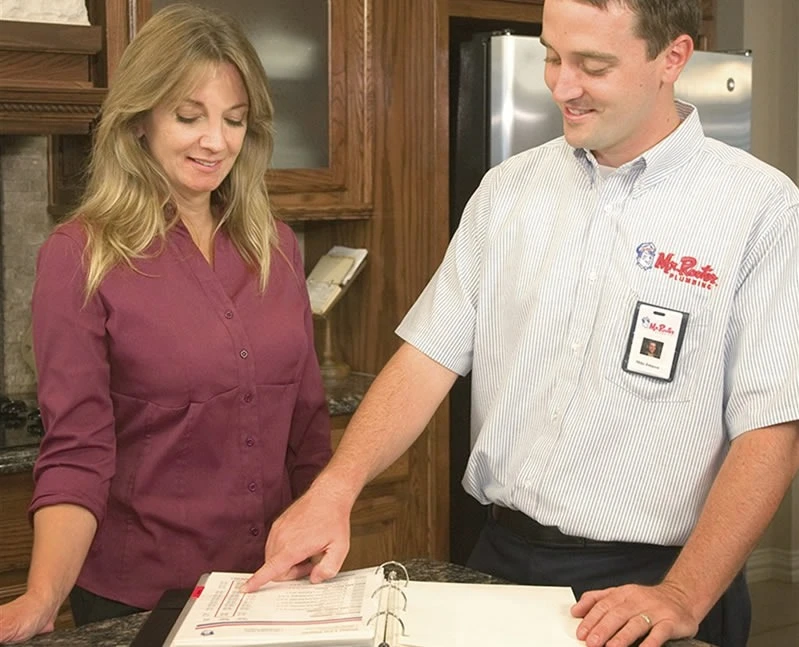

Most homeowners don’t think about plumbing until something goes wrong. In my experience, that’s the exact reason small issues turn into expensive ones. A reliable plumber in Kempner isn’t just there for emergencies; they’re part of how a home quietly holds its value over time. Plumbing may be hidden behind walls and under floors, but when it fails, it fails loudly, expensively, and usually at the worst possible moment.
Plumbing Is Boring, Until It Isn’t
Here’s the honest truth: plumbing is one of the least exciting parts of a home, which is exactly why it gets ignored. People repaint walls, upgrade countertops, and obsess over curb appeal while slow leaks, aging pipes, and stressed drain lines are left to fend for themselves.
What usually works is boring consistency. What often fails is waiting until there’s visible damage.
Water doesn’t need drama to cause damage. It just needs time.
A small drip behind a wall, a drain that “eventually clears,” or a water heater that takes a little longer than it used to, these are the warning signs most homeowners dismiss. In practice, those are the same issues that later show up as warped flooring, mold complaints, or failed inspections during resale.
Preventive Plumbing: What Actually Makes a Difference
Preventive plumbing isn’t glamorous, but it’s effective. Annual inspections, routine drain maintenance, and pressure checks are unremarkable services that quietly protect a home’s structure.
What works well:
- Scheduled inspections before problems become visible
- Early leak detection using proper tools, not guesswork
- Addressing minor drain issues before they harden into blockages
What usually fails:
- Relying on store-bought drain cleaners
- Assuming “no smell” means “no problem”
- Ignoring plumbing because everything technically still works
Chemical drain cleaners are a good example. They feel productive, but over time they weaken pipes and rarely solve the real issue. They clear a symptom, not the system.
Drain Problems Are Rarely Just Drain Problems
Slow drains are one of the most common complaints, and one of the most underestimated. Homeowners often treat them as isolated annoyances, but in reality, recurring drain issues almost always point to buildup deeper in the line.
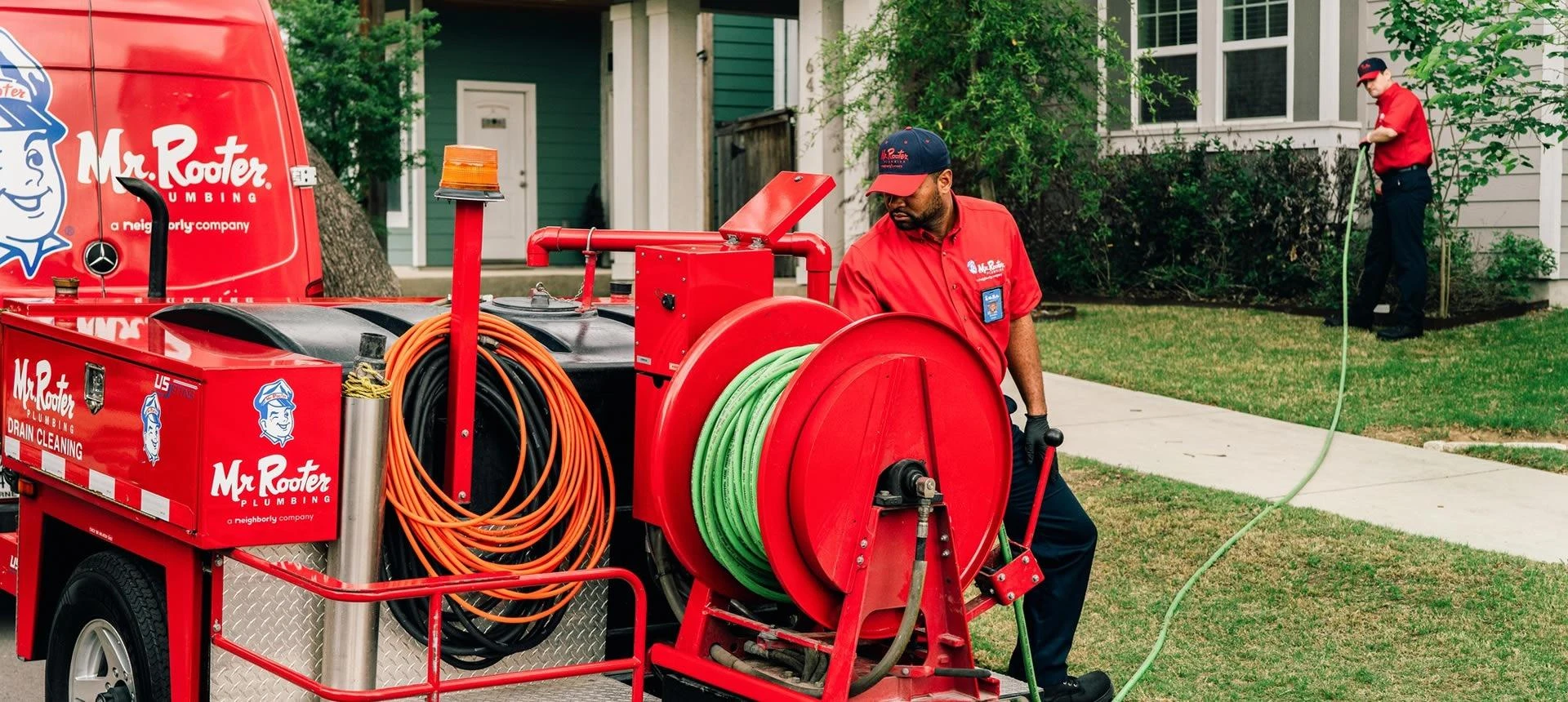
Professional drain cleaning works because it removes the material causing the restriction, not just the top layer. Anyone serious about long-term protection should understand how a licensed drain cleaning service restores proper flow without damaging the pipe itself.
In my opinion, recurring clogs are one of the clearest signs a home needs professional attention. Ignoring them is rarely rewarded.
Leaks: The Quiet Budget Killers
Leaks are deceptive. They don’t always announce themselves with puddles or stains. Many operate slowly, out of sight, weakening framing, insulation, and drywall before anyone notices.
What works:
- Professional leak detection before damage spreads
- Fixing the pipe, not just patching the symptom
- Treating unexplained water bill increases seriously
What fails:
- DIY patches that “buy time”
- Assuming a small leak is harmless
- Waiting for visible damage as confirmation
My personal judgment: if a leak has been “managed” for more than a few weeks, it’s already overdue for proper repair.
Water Heaters: Functional Doesn’t Mean Healthy
Water heaters are another area where homeowners settle for “still working.” That mindset costs money in the long run. Sediment buildup, pressure stress, and aging components don’t usually cause immediate failure, but they shorten lifespan and strain the entire plumbing system.
Routine water heater service genuinely helps. Flushing sediment, checking valves, and correcting pressure issues extend performance and reduce energy waste. Skipping maintenance almost always leads to premature replacement.
Sewer Lines and Structural Risk
Sewer issues are where plumbing problems stop being inconvenient and start becoming serious. Backups, root intrusion, and collapsed lines don’t just affect plumbing, they threaten foundations and health conditions inside the home.
What works:
- Early camera inspections
- Addressing root intrusion before collapse
- Repair methods that minimize disruption
What fails:
- Waiting for repeated backups
- Treating sewage smells as temporary
- Avoiding inspections because “nothing’s wrong yet”
Sewer problems rarely fix themselves. They escalate.
Fixtures: More Than Cosmetic Upgrades
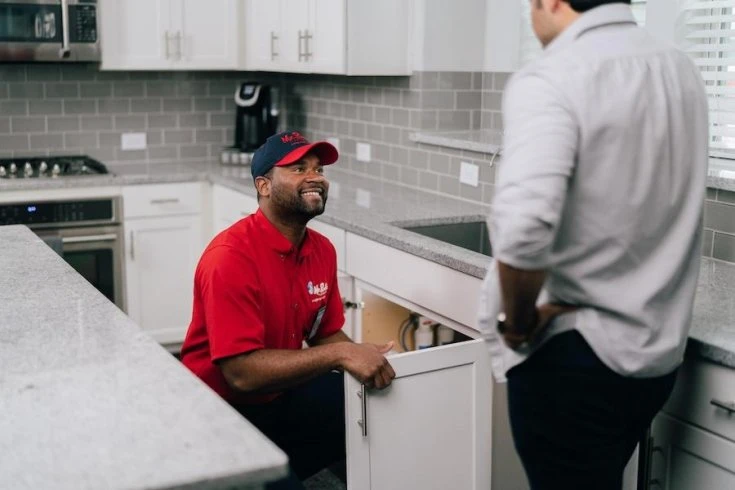
Fixture replacements are often viewed as cosmetic decisions, but poor installation frequently leads to leaks, pressure imbalance, and premature wear. This is where professional leak detection explained becomes relevant, as trained technicians understand how even minor installation flaws can create hidden moisture issues over time. Proper installation ensures correct alignment, reliable sealing, and balanced system performance.
It’s not about luxury. It’s about preventing avoidable problems.
How Plumbing Maintenance Protects Property Value
From an appraisal standpoint, plumbing conditions carry real weight. Inspectors don’t care how new the paint is if there’s evidence of leaks, poor drainage, or outdated piping.
Homes with documented maintenance:
- Pass inspections more smoothly
- Face fewer buyer objections
- Retain stronger long-term value
Preventive plumbing doesn’t just reduce emergencies, it reduces negotiation leverage against you when it matters most.
Questions Homeowners Actually Ask
Is preventive plumbing really worth the cost?
Yes. It’s consistently cheaper than emergency repairs and collateral damage.
Are slow drains always serious?
If they keep coming back, yes. That’s rarely a coincidence.
Can small leaks wait?
They usually shouldn’t. Waiting is how they become expensive.
Does maintenance really extend system life?
In most cases, absolutely.
Final Perspective
Plumbing is one of those systems where effort is either proactive or reactive. Reactive costs more, financially and emotionally. Proactive maintenance is quieter, less stressful, and far more effective.
In my view, homeowners who treat plumbing as infrastructure rather than an afterthought make better long-term decisions. Working with an experienced provider like Mr. Rooter Plumbing of Killeen supports that mindset by prioritizing system health, not just quick fixes.
Sign in to leave a comment.