
Introduction
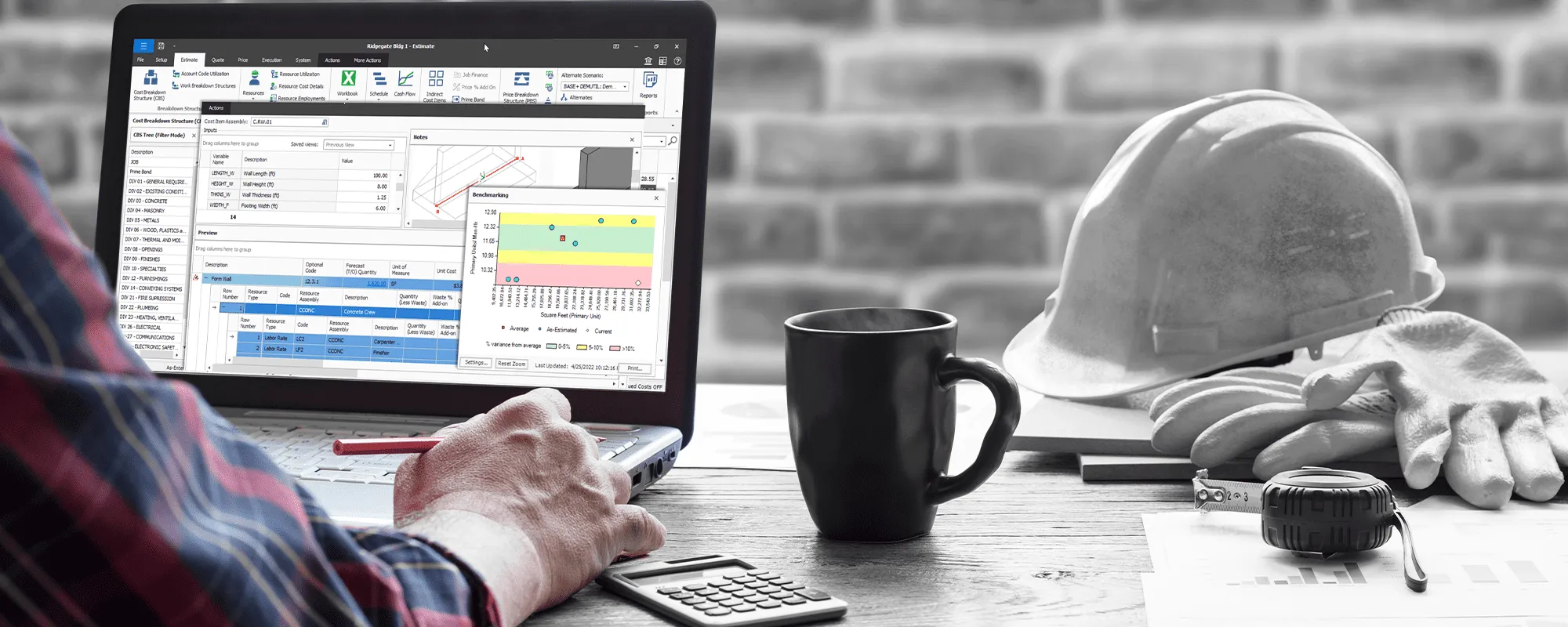
Industrial construction projects involve large-scale facilities with complex engineering requirements, making them some of the most demanding projects in the construction sector. Whether constructing manufacturing plants, power generation facilities, oil and gas infrastructure, warehouses, or processing plants, every project requires careful planning, precise budgeting, and effective resource coordination. A key factor in achieving project success is industrial construction cost estimation, which accurately forecasts the costs of materials, labor, equipment, subcontractors, and other construction-related expenses before work begins .Reliable industrial construction cost estimation gives contractors, developers, engineers, and facility owners the financial insight needed to make informed decisions at every stage of a project. By preparing detailed and accurate cost estimates, project teams can optimize resource allocation, reduce financial uncertainty, strengthen procurement strategies, and submit competitive bids while protecting project profitability and maintaining better control over overall construction costs.
Industrial Construction Cost Estimation
Industrial construction cost estimation is the process of calculating the total projected cost of building, expanding, or renovating industrial facilities before construction begins. It involves analyzing project drawings, technical specifications, material requirements, labor productivity, equipment usage, subcontractor pricing, and indirect costs to produce a detailed and accurate budget.
Professional estimators evaluate every aspect of the project to ensure that all construction activities are included in the estimate. This comprehensive approach helps contractors prepare competitive bids, control project costs, and reduce the likelihood of unexpected financial challenges during construction.
Why Cost Estimation Is Essential for Industrial Construction
Industrial projects often involve complex engineering systems, specialized equipment, and strict safety and regulatory requirements. Even small estimating errors can lead to significant budget overruns, project delays, or reduced profitability.
Accurate industrial construction cost estimation helps organizations:
- Develop realistic project budgets
- Prepare competitive bid proposals
- Reduce financial uncertainty
- Improve cost control
- Prevent material shortages
- Support efficient project scheduling
- Improve investment decisions
- Increase overall project profitability
Reliable estimates provide the financial foundation required for successful industrial project execution.
How Industrial Estimation Improves Budget Planning
Effective budget planning depends on accurate cost information. Industrial construction cost estimation converts technical project data into realistic financial projections that help stakeholders manage resources efficiently.
Professional estimates support:
- Capital budgeting
- Procurement planning
- Cash flow forecasting
- Resource allocation
- Equipment scheduling
- Contract negotiations
- Project feasibility studies
- Financial risk management
Accurate budgets enable project teams to make informed decisions and maintain financial control throughout construction.Difference Between Industrial Construction Estimation and Quantity Takeoffs
Although closely related, quantity takeoffs and industrial construction cost estimation serve different purposes.
A quantity takeoff focuses on measuring the quantities of materials required for construction, such as structural steel, concrete, piping, electrical conduit, insulation, and mechanical equipment.
Industrial construction cost estimation expands on these measurements by assigning costs to materials while also calculating labor, equipment, subcontractor expenses, overhead, contingency allowances, and profit margins.
In simple terms:
- Quantity Takeoff = Measuring construction materials
- Industrial Construction Cost Estimation = Measuring materials + calculating total project costs
Together, these processes provide contractors with accurate financial data for bidding, budgeting, and project planning.
Who Uses Industrial Construction Cost Estimation?
Industrial construction cost estimation supports a wide range of professionals involved in planning, designing, constructing, and managing industrial facilities.
Primary users include:
- Industrial Contractors: Prepare competitive bids and manage construction budgets.
- EPC Contractors (Engineering, Procurement, and Construction): Plan integrated industrial projects and control project costs.
- Manufacturing Companies: Estimate costs for new plants, facility expansions, and equipment upgrades.
- Developers: Evaluate project feasibility and investment opportunities.
- Engineers: Align technical designs with project budgets.
- Plant Owners: Forecast capital expenditures and manage long-term maintenance projects.
- Government Agencies: Estimate costs for public industrial infrastructure and utility developments.
By providing accurate cost forecasts and comprehensive financial insights, industrial construction cost estimation helps stakeholders improve planning, reduce project risks, and deliver complex industrial projects on time and within budget.
Types of Industrial Construction Projects Requiring Cost Estimation
Industrial construction projects vary significantly in size, complexity, and technical requirements. Each type of facility has unique construction methods, specialized equipment, regulatory standards, and operational systems that must be considered during the estimating process. Professional industrial construction cost estimation ensures that every project component is accurately measured and priced, allowing contractors and owners to develop realistic budgets, improve resource planning, and minimize financial risk.
Below are the major types of industrial projects that require detailed cost estimation.
Power Generation Plants
Power plants involve complex civil, structural, mechanical, and electrical systems. Whether the facility generates electricity through natural gas, hydroelectric, solar, wind, or other energy sources, precise estimating is essential.
Power plant estimates generally cover:
- Foundations
- Turbine installations
- Boilers
- Cooling systems
- Electrical substations
- Transmission equipment
- Control systems
- Structural steel
Detailed budgeting helps ensure successful delivery of large-scale energy infrastructure.
Food and Beverage Processing Facilities
Food processing plants require sanitary construction standards, specialized production equipment, refrigeration systems, and hygienic finishes.
Estimators evaluate costs for:
- Food-grade piping
- Refrigeration systems
- Stainless steel equipment
- Processing lines
- Floor coatings
- HVAC systems
- Drainage systems
- Clean room construction
Accurate estimates support regulatory compliance and efficient facility operations.
Pharmaceutical Manufacturing Plants
Pharmaceutical facilities demand precision construction, controlled environments, and strict quality standards. Cost estimation must include highly specialized building systems.
Typical estimating includes:
- Clean rooms
- Air filtration systems
- Sterile processing areas
- Laboratory construction
- Process piping
- Electrical systems
- Automation controls
- Specialized finishes
Professional estimating ensures budgets reflect the technical complexity of pharmaceutical projects.
Mining and Metal Processing Facilities
Mining and processing facilities often include large structural systems, conveyors, crushers, storage silos, and heavy industrial equipment.
Estimators calculate costs for:
- Earthworks
- Heavy concrete foundations
- Structural steel
- Conveyor systems
- Processing equipment
- Utility installations
- Access roads
- Material handling systems
Reliable estimates support effective planning for demanding industrial environments.
Water and Wastewater Treatment Plants
Water treatment infrastructure requires specialized mechanical, electrical, and civil systems to support water purification and wastewater processing.
Estimates commonly include:
- Concrete tanks
- Pump stations
- Filtration systems
- Mechanical equipment
- Process piping
- Electrical installations
- Instrumentation
- Site utilities
Accurate cost estimation helps municipalities and private organizations complete infrastructure projects within budget.
Step-by-Step Industrial Construction Cost Estimation Process
Professional industrial construction cost estimation follows a structured process that transforms engineering drawings and project specifications into accurate, bid-ready cost estimates. Each stage ensures that every material, labor requirement, equipment cost, and indirect expense is included before construction begins. A systematic approach improves estimate accuracy, reduces financial risk, and helps contractors prepare competitive bids for complex industrial projects.
Step 1 – Review Construction Drawings and Specifications
The estimating process begins with a comprehensive review of all project documents, including architectural, structural, civil, mechanical, electrical, instrumentation, and process drawings.
Estimators verify:
- Drawing revisions
- Technical specifications
- Equipment schedules
- Construction methods
- Project requirements
- Applicable codes and standards
A detailed review establishes the foundation for an accurate estimate.
Step 2 – Define the Project Scope
After reviewing the drawings, estimators define the complete scope of work to ensure every construction activity is included.
The project scope may include:
- Site development
- Foundations
- Structural steel
- Mechanical systems
- Process piping
- Electrical systems
- Instrumentation
- Equipment installation
- Finishing work
- Utility connections
Clearly defining the scope minimizes omissions and improves estimate reliability.
Step 3 – Perform Detailed Quantity Takeoffs
Using professional estimating software, estimators measure every construction component directly from the project drawings.
Quantity takeoffs include:
- Concrete volumes
- Reinforcing steel
- Structural steel
- Piping lengths
- Cable quantities
- Mechanical equipment
- Insulation
- Painting areas
- Earthwork volumes
Accurate takeoffs provide the data required for precise cost calculations.
Step 4 – Calculate Material Costs
Once material quantities are determined, estimators apply current supplier pricing and market rates to develop realistic material budgets.
Material cost analysis considers:
- Current market prices
- Supplier quotations
- Freight and transportation
- Waste factors
- Storage requirements
- Taxes and applicable fees
Using up-to-date pricing helps improve budgeting accuracy and procurement planning.
Step 5 – Estimate Labor Costs
Labor costs are calculated based on crew productivity, installation complexity, project schedules, and regional wage rates.
Labor estimates typically include:
- Skilled trades
- General labor
- Equipment operators
- Site supervision
- Productivity factors
- Overtime allowances
Accurate labor forecasting supports effective workforce planning and overall project cost control.
Conclusion
Industrial construction cost estimation is the foundation of successful industrial projects, providing the financial clarity needed to plan, budget, and execute complex construction work with confidence. From manufacturing facilities and warehouses to power plants, chemical processing facilities, and water treatment plants, accurate estimates help contractors and project owners understand the true cost of materials, labor, equipment, subcontractors, and indirect expenses before construction begins. For accurate estimation Visit our Google Profile to minimize costly errors, reduce budget overruns, optimize resource allocation, and increase profitability while helping projects stay on schedule. Working with experienced industrial estimators gives contractors, developers, and engineers the confidence to make informed decisions and deliver successful projects from concept to completion.
Why Choose All State Estimation Canada?
At All State Estimation Canada, we provide accurate, reliable, and professional Industrial Construction Cost Estimation Canada services for contractors, EPC firms, developers, manufacturers, engineers, and industrial facility owners across Canada. Our experienced estimators use advanced estimating software, detailed digital quantity takeoffs, current Canadian market pricing, and proven industry methodologies to prepare precise, bid-ready estimates that support smarter budgeting, cost control, and project planning. Our Industrial Construction Cost Estimation Canada services cover every aspect of industrial construction, including structural steel, concrete, mechanical systems, process piping, electrical and instrumentation, HVAC, fire protection, heavy equipment, and subcontractor pricing. We carefully review construction drawings, engineering specifications, and project requirements to ensure every material, labor activity, and cost component is accurately included, minimizing estimating errors and reducing financial risk.




























Sign in to leave a comment.